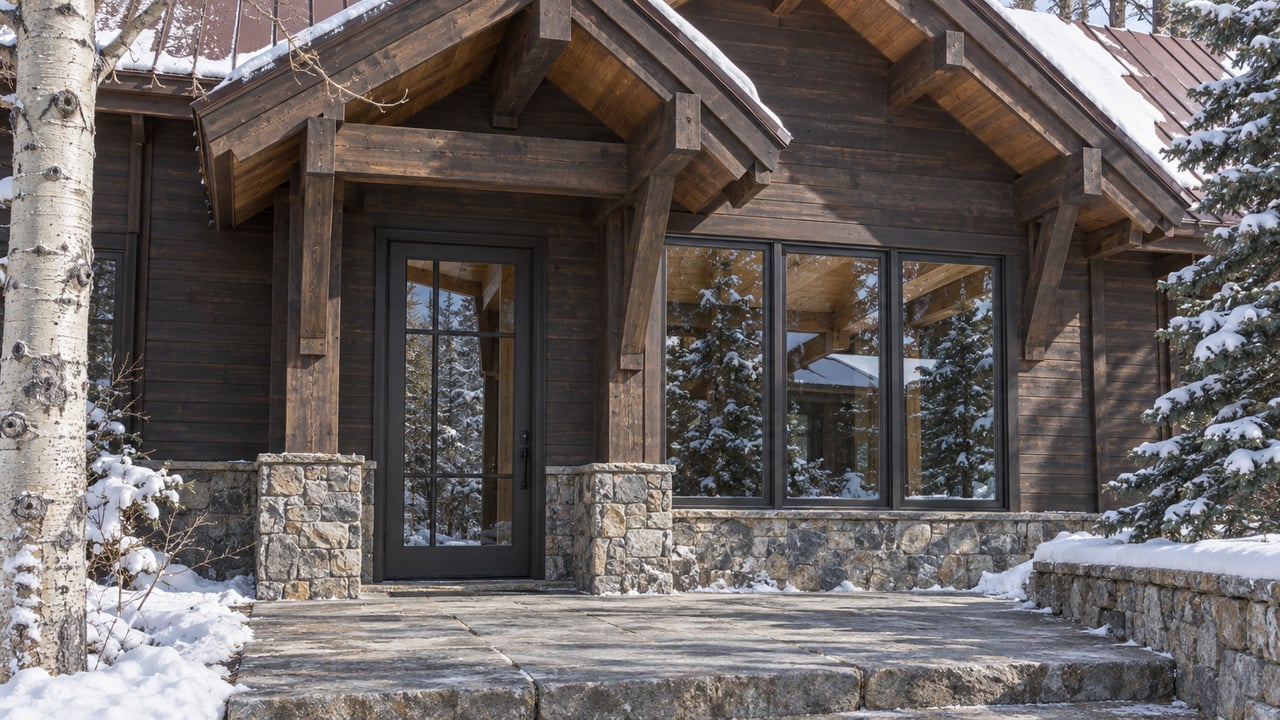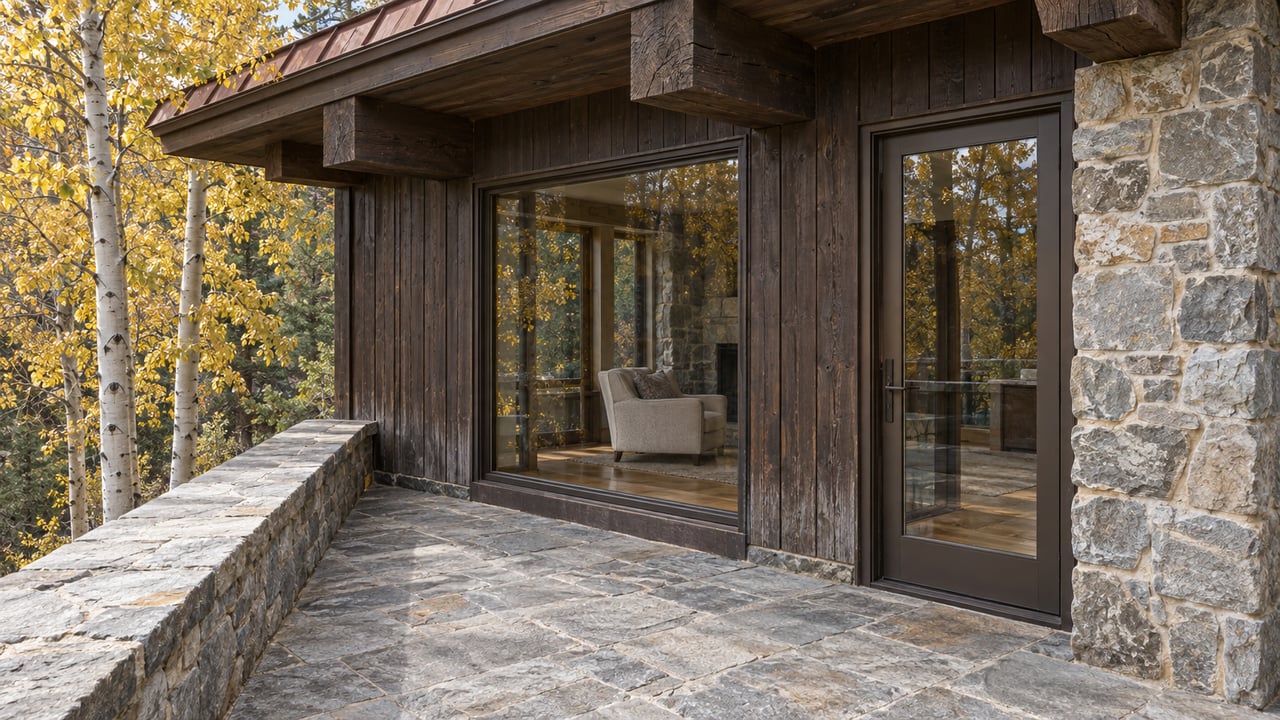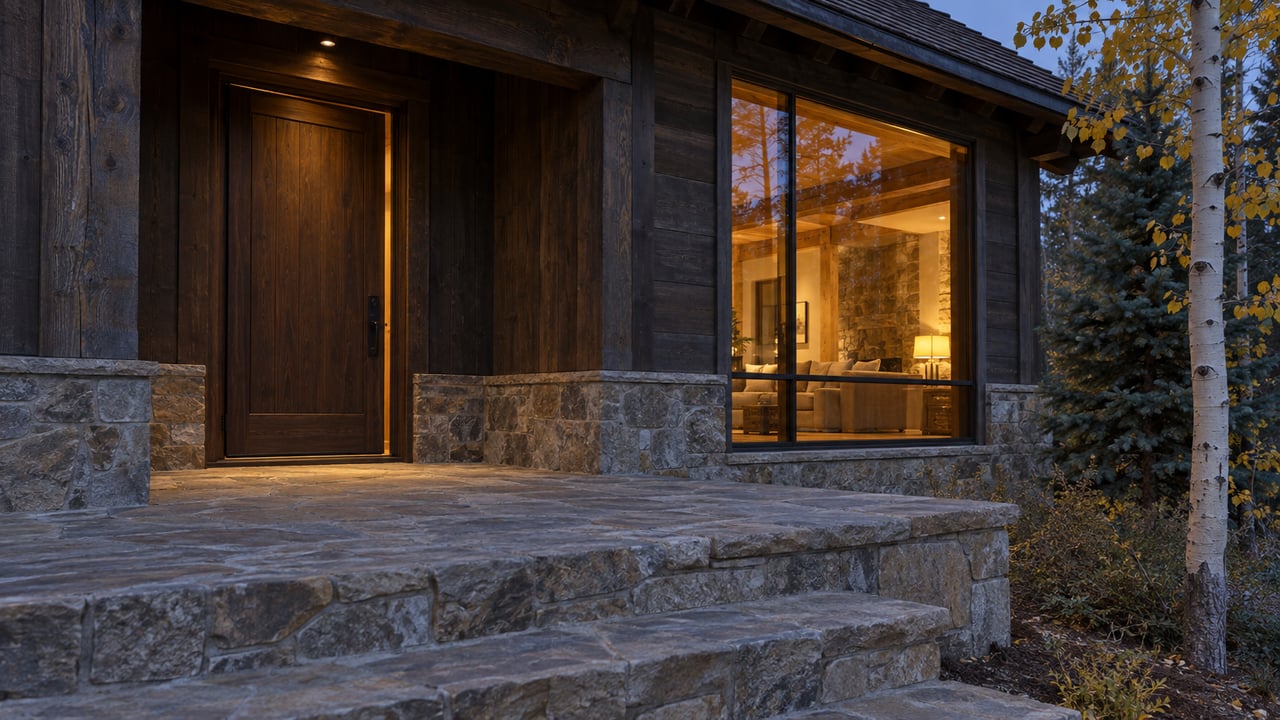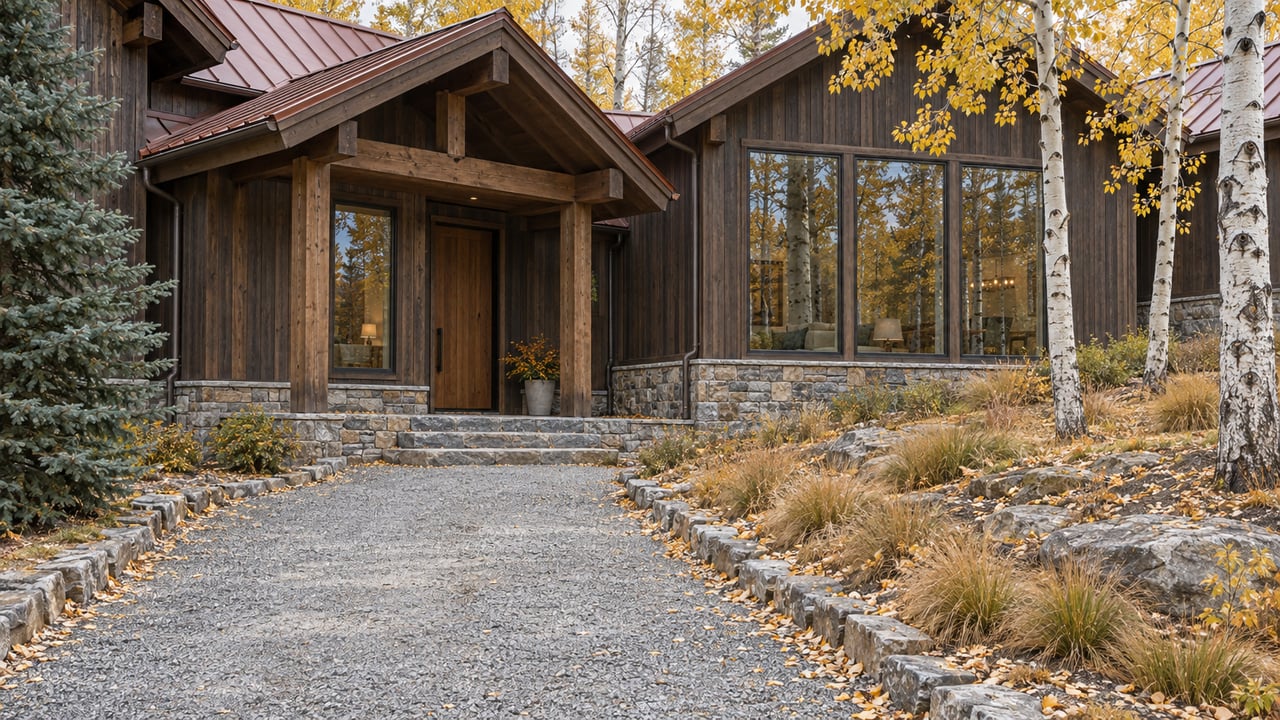
In August 2022, a Texas company called Three-K-Nine, LLC applied to build an 11,300-square-foot single-family house near Telluride, in unincorporated San Miguel County. The county's first calculation of the employee housing impact fee came to $742,245. A 50% phase-in cut that to $371,122. After the owner changed the building plans, the county assessed $252,843. The company paid that amount under protest and sued.
On July 16, 2026, the Colorado Court of Appeals affirmed the ruling that the county's fee method complies with state impact-fee law. That case puts a dollar figure on a cost that is assessed at the building permit, long after a lot or house changes hands. On a county lot outside Telluride and Mountain Village, the size of the house you draw sets the fee, and so does a factor tied to local market prices that the county updates over time. Both have been rising, and the price-based input has risen faster.
The fee is priced off the market it offsets
The fee applies to new houses and additions in unincorporated county land within the Telluride R-1 School District. It doesn't apply in Telluride, Mountain Village, Ophir, Sawpit, Norwood or the West End. According to the county's impact fee FAQ, it is calculated from four inputs:
- How many employees the county estimates a home will need for construction and upkeep, based on its size
- 400 square feet of housing per employee
- A mitigation percentage, also set by the home's size
- A per-square-foot "market affordability gap"
The fourth input is the one that moves. It measures the difference between free-market housing prices in the Telluride region and what a household earning 100% of Area Median Income can afford. The more expensive local housing gets, the higher the gap, and the higher the fee on every house that pulls a permit afterward.
At the county commissioners' Sept. 30, 2026 work session, Deputy County Manager Jarrod Biggs described that spread in the numbers the Telluride Times reported. The average 2026 price per square foot was over $2,500 for single-family homes and $1,800 for condos. Deed-restricted county properties in recent years sold for $490 to $566 per square foot, and the 2026 four-person AMI was $131,000.
Why the number jumped in the past fourteen months
The county intends to update the gap factor every year. Its FAQ says commissioners postponed the 2023 and 2024 updates because of litigation, then approved a phased catch-up starting August 1, 2025. Resolution 2025-19 set the steps.
| Effective date | Market affordability gap factor |
|---|---|
| Through June 30, 2025 | $527 per sq ft |
| August 1, 2025 through December 31, 2025 | $727.50 per sq ft, phased |
| January 1, 2026 | $928 per sq ft |
| May 1, 2026 | $1,112 per sq ft |
From $527 to $1,112, the factor more than doubled in about nine months. Starting in April 2026, it is based on average sales from the previous three years. So a strong sales year doesn't disappear from the fee right away. It keeps affecting the factor for the next three annual updates.
Timing matters as much as design. The fee is due when the building permit is issued. With the factor now updated annually, the figure in effect when a buyer closes on a lot may not be the one used once plans are finished and a permit is issued.
Size raises the fee in two ways
The county's method uses square footage twice. It sets the mitigation percentage, and it sets the number of employees the house is estimated to generate.
The percentage starts with a cliff. Homes of 2,000 square feet of floor area or less are exempt. Homes of 2,001 square feet or more start at an 18% mitigation rate, which rises to 90% for homes over 5,000 square feet. That replaced the flat 37% rate that applied before the 2022 resolution, which moved the county to a sliding scale.
The employee estimate climbs faster. The county's 2022 Affordable Housing Fee Methodology Report uses an exponential formula. Its table of representative values shows about 0.901 employees at 5,000 square feet, 1.802 at 8,000 and 4.664 at 12,000. In that table, going from 8,000 to 12,000 square feet adds half again the floor area and more than doubles the employee estimate.
Multiply a growing employee count by a higher percentage and then by a gap factor that has more than doubled, and the fee rises much faster than the floor plan. The county reported that between July 12, 2023 and Sept. 14, 2026, 27 new homes in the district were required to pay the fee. They averaged 4,317 square feet and $120,609 per home, according to the Telluride Times. Most of that window came before the gap factor reached $1,112.
This post doesn't give fees for specific house sizes. The county's published materials don't consistently show its current rate bands between 2,001 and 5,000 square feet. The June 2025 Appendix E calculator lists a "-30%" entry that conflicts with the FAQ. The FAQ also isn't consistent about whether a home of exactly 2,000 square feet is exempt. The county's fee calculation worksheet and planning staff are the place to get a figure for a specific design.
Additions are charged at the whole home's rate
This rule matters most for buyers who plan to expand an existing county home. For an addition, the mitigation percentage is set by the home's total square footage after the addition, and the fee is charged only on the new square footage. A modest addition to a home already near or above 5,000 square feet is billed at the rate for a home that size. An addition that takes a 1,900-square-foot house past 2,000 creates a fee where none existed before.
So the expansion potential of a county home is part of what it costs. Two houses listed at similar prices can carry very different costs to expand, depending on where each one sits relative to the 2,000-square-foot line and the 5,000-square-foot top tier.
The credit almost no one uses
The county does offer a way around part or all of the fee. An owner who builds an on-site affordable housing unit can receive a credit based on the unit's size, up to the full fee. The terms are strict:
- An ADU or caretaker unit has to be an allowed use in that subdivision or zone district.
- The credit covers the unit's floor area only, and any remaining fee is still due.
- The unit must be proposed together with the main home's application and placed under the County R-1 deed restriction, with tenants qualified by the San Miguel Regional Housing Authority.
- The covenant requires the unit to be actively rented, and owners of the main home can't occupy it unless they qualify as local employees.
Biggs also said deed-restricting other property can offset some or all of the fee in some cases, the Telluride Times reported. At the same work session, Alpine Bank branch president Dan Craft, who sits on the county's housing Stakeholder Strategic Roundtable, said that since the fees were raised, "no one's built a deed-restricted ADU to mitigate their impact," the Telluride Times reported. Under the covenant terms above, the credit comes with an ongoing rental commitment on the owner's own lot, while the fee is a single payment at permit issuance.
Where the policy stands this fall
The Sept. 30 work session brought out both sides. A local homeowner building in the county told commissioners she and her husband had redesigned their home to cut costs. She said the fees push the market toward homes that are "either deed-restricted or plus $5 million," per the Telluride Times. Commissioner Galena Gleason acknowledged the pushback, as the Times reported:
"I'm not comfortable just making major changes without having some new solutions. Everybody is aware of the dire need to continue to move towards the goal of building more workforce and community housing. Four million dollars in our coffers is not much."
The Times coverage reported no formal direction to staff, proposed amendment or hearing date after the session. The July appeals ruling settled only Three-K-Nine's statutory challenge. A separate claim over how its own fee was calculated was still unresolved as of that opinion. As of October 2026, the method stands, the $1,112 factor is in effect, and the annual updates have resumed.
Inside town limits, the alternative isn't cheaper on this point. Telluride and Mountain Village use the same market-affordability-gap approach, and the Times reports that both towns' own fees are higher than the county's.
Quick answers
Does the fee apply when I buy an existing home? The county describes it as a fee on new houses and additions, due when a building permit is issued. It comes into play when you build or expand.
Where does the money go? The county uses it to develop workforce housing in the R-1 School District, including construction, land purchases, design, engineering and infrastructure.
Can the gap factor change before my permit is issued? County staff may update it annually to reflect market conditions, and the fee is due when the permit is issued.
This post is general information, not legal, tax or financial advice. Fees on any specific project should be confirmed with San Miguel County planning staff and your own legal and design professionals.
If you're considering a lot, a teardown or a home with room to grow outside Telluride's town limits, Matthew Hintermeister can help you factor the county housing fee into the offer, before the permit sets the number. Request a Private Consultation.