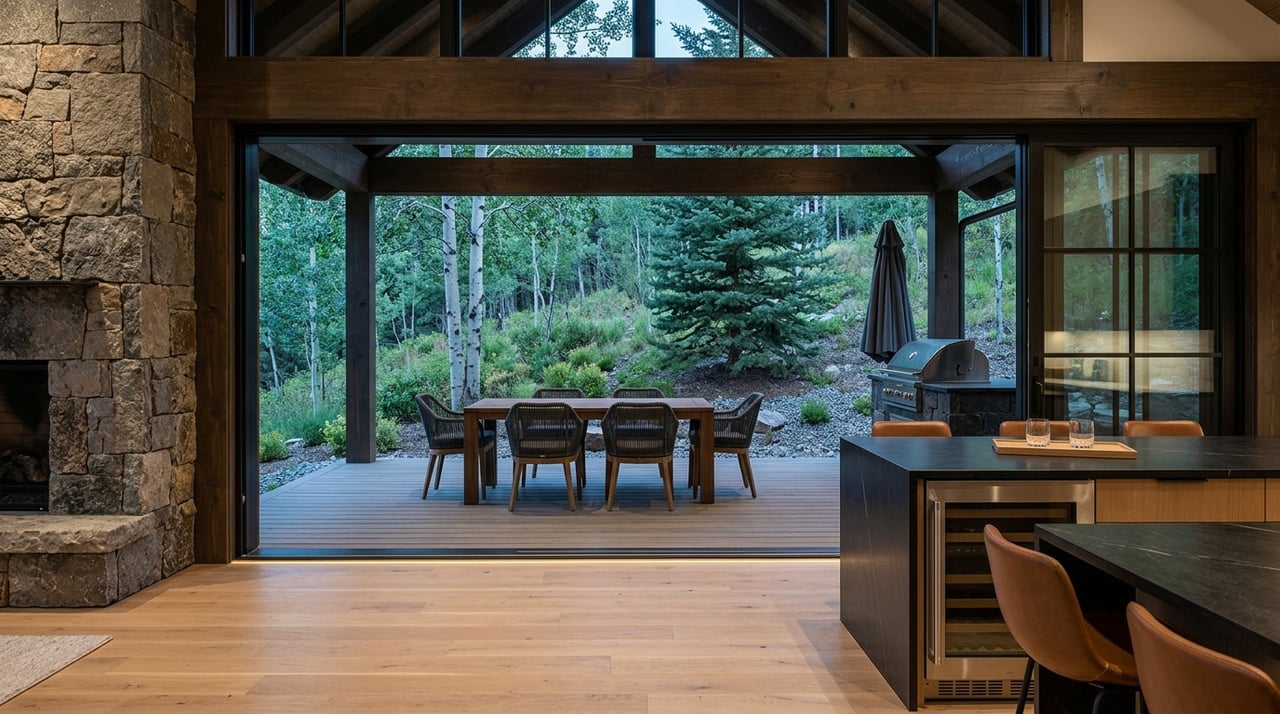
If you love hosting in Telluride, you already know entertaining here is different. A casual weekend can turn into a full house during ski season, and summer often brings festival guests, shared meals, and gear piled by the door. The homes that handle it best are not just beautiful, they are planned for snow, sun, storage, and easy flow. Let’s dive in.
Entertaining in Telluride Starts With Seasonality
Telluride has a packed annual event calendar, with major festivals and gatherings concentrated from late spring through early fall. Winter visitor season generally runs from Thanksgiving through early April, while summer and fall activity runs from mid-May through mid-October. That rhythm shapes how people use their homes.
In practical terms, entertaining here often happens in bursts. You may host ski guests one month, festival visitors the next, and extended family during holiday weeks. A home that supports those patterns needs to absorb people, outerwear, equipment, meals, and cleanup without feeling crowded.
That is why utility often defines luxury in Telluride. A stunning great room matters, but so do the less glamorous pieces: where guests drop boots, how food moves from prep to serving, and whether outdoor spaces stay usable in changing weather.
Plan a Strong Arrival Experience
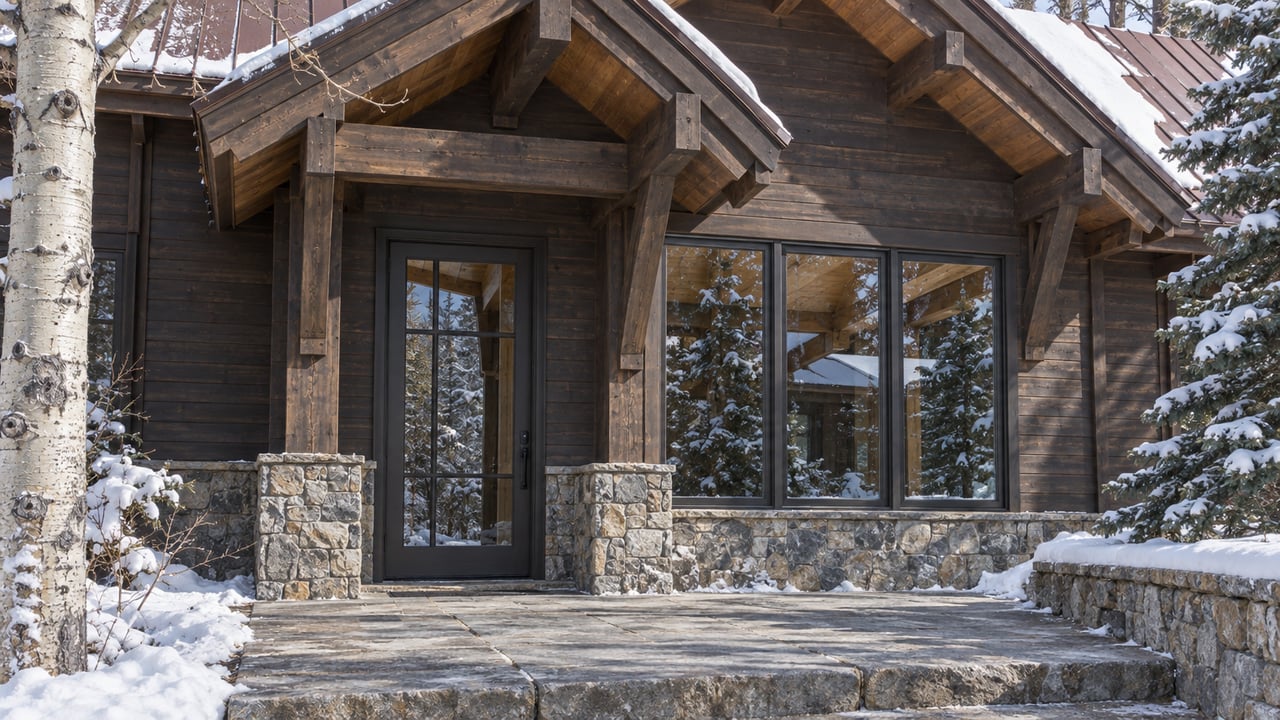
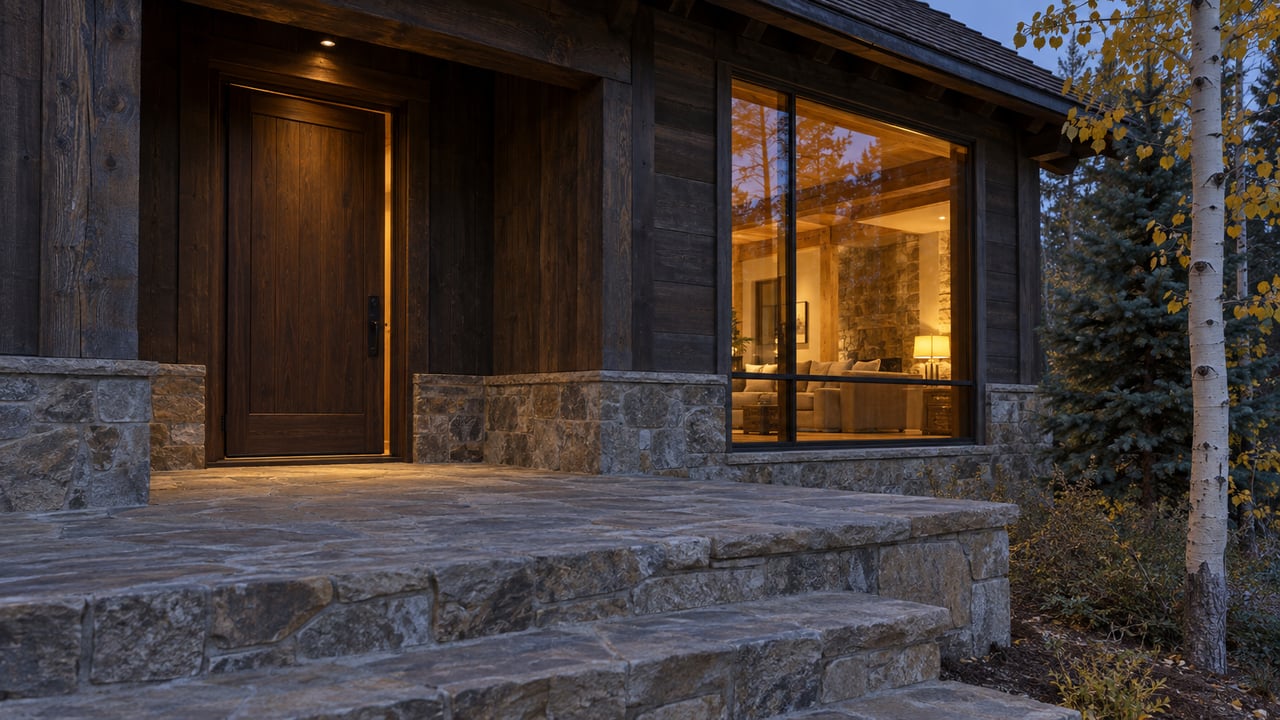
In a mountain home, the arrival sequence sets the tone for the entire visit. If guests step into clutter, wet floors, or a tight entry, the home feels stressed before the evening even starts. A thoughtful arrival space makes entertaining feel calm and easy.
San Miguel County’s residential permit checklist highlights details like decks, porches, patios, stairs, guardrails, heated and unheated areas, and snow-melt areas. That local emphasis is a good reminder that entries and transitions are not minor details in this market. They are part of everyday function and guest comfort.
Prioritize a Mudroom or Gear Room
A dedicated mudroom or gear room is one of the smartest features you can build into a Telluride home. Guests often arrive with skis in winter and bikes in summer, and the free gondola between Telluride and Mountain Village accommodates both with seasonal racks. That means gear storage is not an occasional need. It is part of normal hosting.
A well-designed transition space can include:
- Benches for changing shoes or boots
- Durable flooring that handles moisture
- Boot and glove storage
- Laundry access nearby
- Lockable closets for bulky gear
- Clear separation from main living areas
When wet or oversized gear stays out of the kitchen and great room, your home immediately feels more polished and more livable.
Think About the Driveway Too
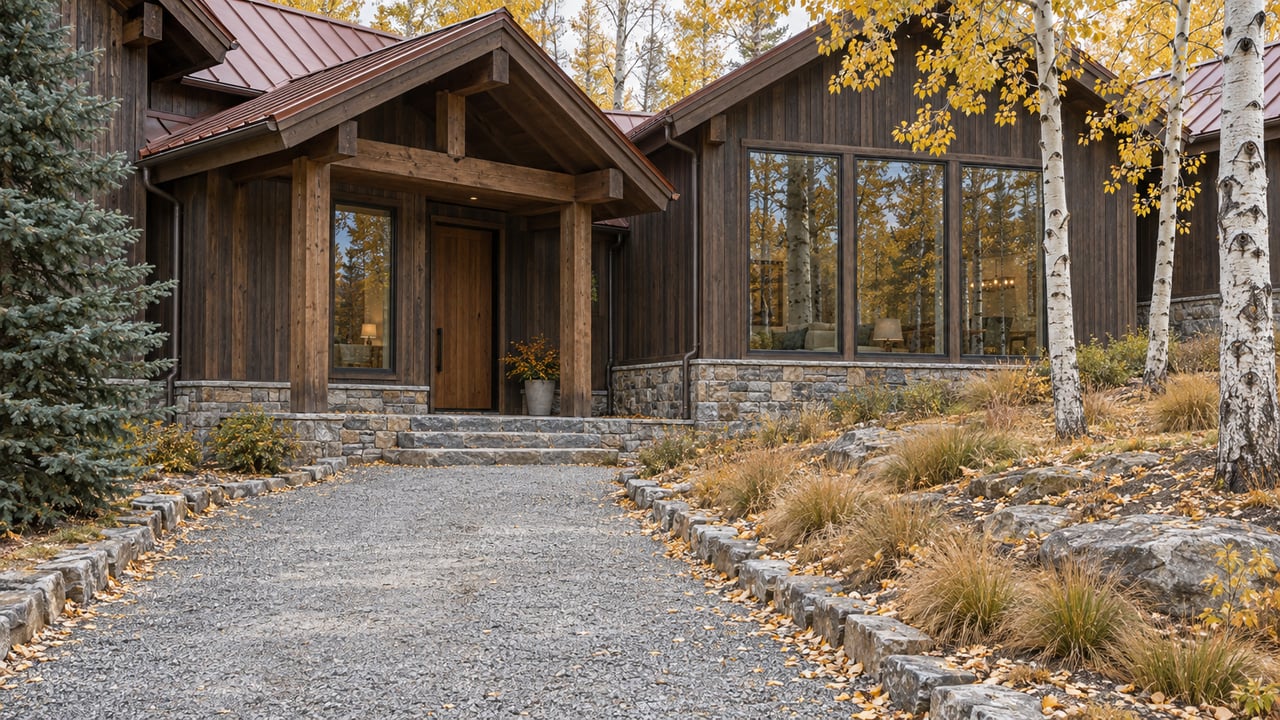
If your property has a long or steep driveway, treat it as part of the entertaining plan. Snow clearing, guest arrival, and emergency access all matter here. San Miguel County notes that driveways 150 feet and longer require fire department approval, which reinforces how important access can be on mountain sites.
For owners, that means convenience and safety should work together. A beautiful home feels much easier to host in when guests can arrive confidently, unload without stress, and move inside on safe, well-managed paths.
Create Clear Public and Private Zones
One of the best ways to make a Telluride home feel effortless is to separate social spaces from sleeping areas. This matters even more when you host multiple households or guests staying for several nights. People want to gather easily, but they also want quiet when the day is done.
An effective layout usually places the great room, dining area, kitchen, and outdoor entertaining spaces at the center of the home. Bedrooms and private suites then sit apart from that core, reducing noise and giving guests more privacy. This kind of zoning supports both lively evenings and restful mornings.
Let the Great Room Do the Heavy Lifting
In many Telluride homes, the great room is the social anchor. It should be able to handle conversation, views, dining spillover, and traffic from indoors to outdoors without creating pinch points. Open sight lines help, but so does careful furniture placement and enough space around key pathways.
Think about how people actually move during a gathering. They may circulate between the fireplace, kitchen island, dining table, and deck doors. If those routes stay open, the room feels gracious even with a full house.
Design the Kitchen for Service Flow
A beautiful kitchen is not automatically a functional entertaining kitchen. In Telluride, where hosting may involve family breakfasts, catered dinners, and casual après-ski snacks in the same week, flow matters as much as finishes.
The strongest kitchen layouts support prep, serving, cleanup, and guest movement at the same time. That reduces bottlenecks and helps the room stay welcoming even when multiple people are using it.
Features That Improve Hosting
For entertaining, consider design choices that support movement and separation of tasks:
- A large central work area or island
- Pantry or scullery space for overflow prep
- Beverage storage away from the main cook zone
- Easy routes to dining and outdoor spaces
- A service path that does not cut through the gathering area
San Miguel County’s permit checklist places importance on clearly labeled plumbing fixtures, mechanical equipment, and room uses. That practical framework aligns well with smart kitchen planning. In this market, the most successful homes often make service spaces just as intentional as showpiece rooms.
Build Outdoor Rooms, Not Just Decks
In Telluride, outdoor entertaining works best when exterior spaces act like real mountain rooms. A simple deck may look appealing in photos, but a well-designed outdoor area needs to perform in strong sun, cool evenings, and snowy conditions.
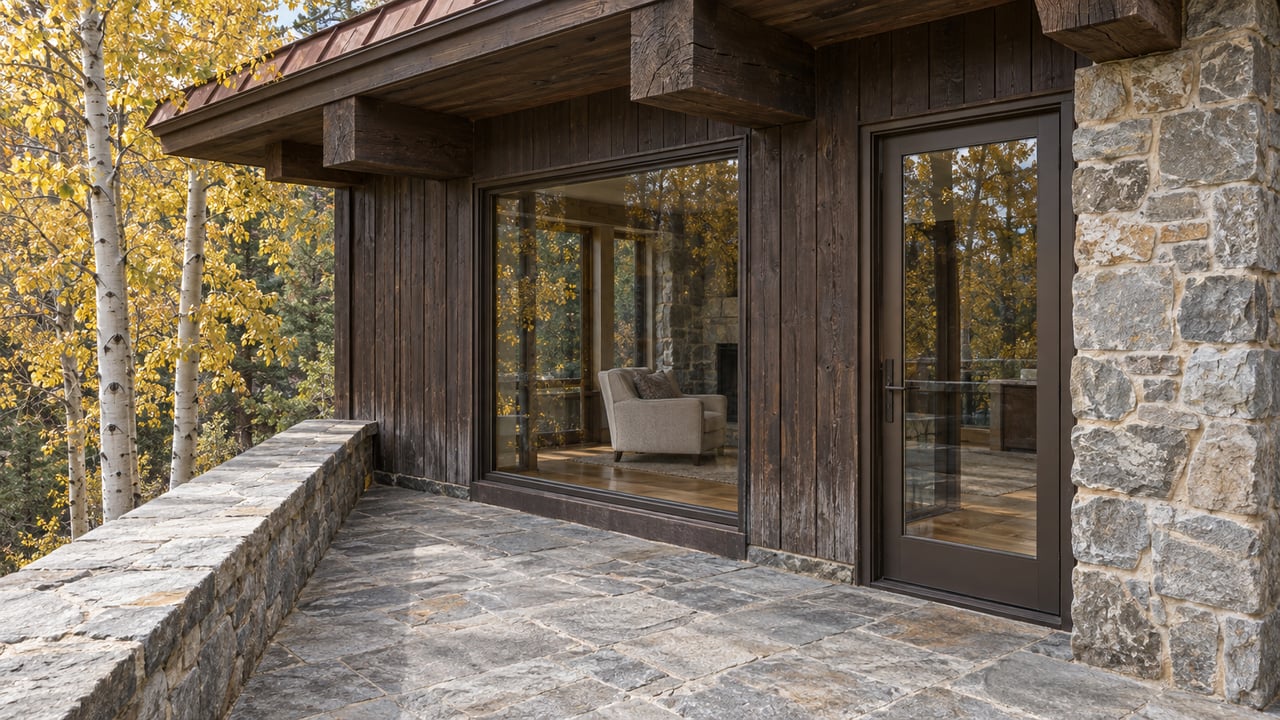
San Miguel County specifically calls out decks, porches, patios, stairs, guardrails, and snow-melt areas in its residential submittal checklist. That local guidance reflects reality on the ground. Outdoor living is important here, but it has to be durable and weather-aware.
Make Outdoor Spaces More Usable
To create an outdoor area that supports entertaining across more of the year, focus on function:
- Covered or partially covered seating areas
- Durable railings suited to mountain conditions
- Non-slip walking surfaces
- Space planned for snow melt or radiant heat
- Direct connection to the kitchen or great room
These choices help an outdoor space stay inviting during summer dinners, fall gatherings, and winter weekends.
Plan for Strong Sun at Altitude
Telluride’s elevation adds another layer to outdoor design. NOAA data places the Telluride 4WNW station at 8,646 feet, and EPA guidance notes that UV intensity increases with altitude. Snow also reflects UV strongly, which can add wear to outdoor materials and affect guest comfort.
That makes shade and material selection especially important. Covered seating, UV-resistant fabrics, and sun-tolerant finishes are practical decisions, not just style upgrades. If you host during festival season or shoulder months, those details can make outdoor spaces far easier to enjoy.
Use Landscaping to Support Safety and Ease
Landscape design should complement entertaining, but in Telluride it should also respect wildfire conditions. San Miguel County supports wildfire mitigation through home hardening, defensible space, and emergency access work. Colorado State University Extension also recommends starting defensible space at the structure and moving outward.
This does not mean your property cannot feel inviting. It means the areas closest to the home should be planned with maintenance, spacing, and lower-flammability plant choices in mind.
Focus on the First 30 Feet
CSU Extension recommends low-flammability plants within the first 30 feet of a structure and describes defensible-space zones from 0 to 5 feet, 5 to 30 feet, and 30 to 100 feet. It also notes that no plant is truly fireproof. That is an important point for homeowners who want attractive landscaping without creating added risk.
For entertaining, this approach can also improve upkeep. Cleaner, more intentional landscape zones near patios, entries, and decks often feel easier to maintain and easier for guests to navigate.
Choose Materials That Work Hard
Telluride’s climate is demanding. NOAA normals for 1991 through 2020 show average annual snowfall of 130.8 inches, annual precipitation of 20.37 inches, and an annual mean temperature of 38.1 degrees Fahrenheit. Winter and late fall carry the heaviest snow loads.
Those conditions should influence material choices inside and out. Finishes that are easy to clean, durable under moisture, and less affected by sun exposure will usually support entertaining better over time. In a mountain home, resilience is part of refinement.
Luxury in Telluride Is About Ease
The most memorable entertaining homes in Telluride are rarely the ones that rely on appearance alone. They are the homes where guests can arrive with gear, settle in comfortably, move naturally through the main spaces, and enjoy the outdoors without fighting the weather. Everything feels considered because everything works.
If you are buying, building, or refining a home here, it helps to view entertaining through a local lens. Ski season, festival season, altitude, snowfall, sun exposure, site access, and wildfire awareness all shape what “easy” really means in this market.
A home that supports effortless hosting often becomes more enjoyable every day, not just during special weekends. If you are evaluating properties in Telluride or Mountain Village and want insight into how layout, site conditions, and lifestyle fit come together, Matthew Hintermeister can help you approach the decision with local perspective and concierge-level guidance.
FAQs
What makes a Telluride home good for entertaining?
- A strong entertaining home in Telluride usually has a clear arrival area, dedicated gear storage, a kitchen with good service flow, separation between public and private zones, and outdoor spaces designed for sun, snow, and changing weather.
Why is a mudroom important in a Telluride entertaining home?
- In Telluride, guests often arrive with skis in winter or bikes in summer, so a mudroom or gear room helps keep wet, bulky equipment out of the main living spaces and makes hosting feel more organized.
How should outdoor entertaining spaces be designed in Telluride?
- Outdoor areas in Telluride work best when they include features like covered seating, durable railings, non-slip surfaces, and planning for snow melt or radiant heat so they function more like true mountain rooms.
What climate factors affect home design for entertaining in Telluride?
- Telluride’s high elevation, strong UV exposure, and heavy annual snowfall all influence design decisions, especially for outdoor seating, durable materials, shaded areas, and weather-protected entry points.
How does wildfire planning affect entertaining spaces in Telluride?
- Wildfire-aware design can shape landscaping and access by encouraging defensible space near the home, lower-flammability plant choices, and well-maintained areas around decks, patios, and entry routes.
What should buyers look for in a Telluride kitchen for hosting?
- Buyers should look for a kitchen that supports prep, serving, cleanup, and guest movement at the same time, often with a large work area, pantry or scullery space, beverage storage, and easy access to dining and outdoor areas.