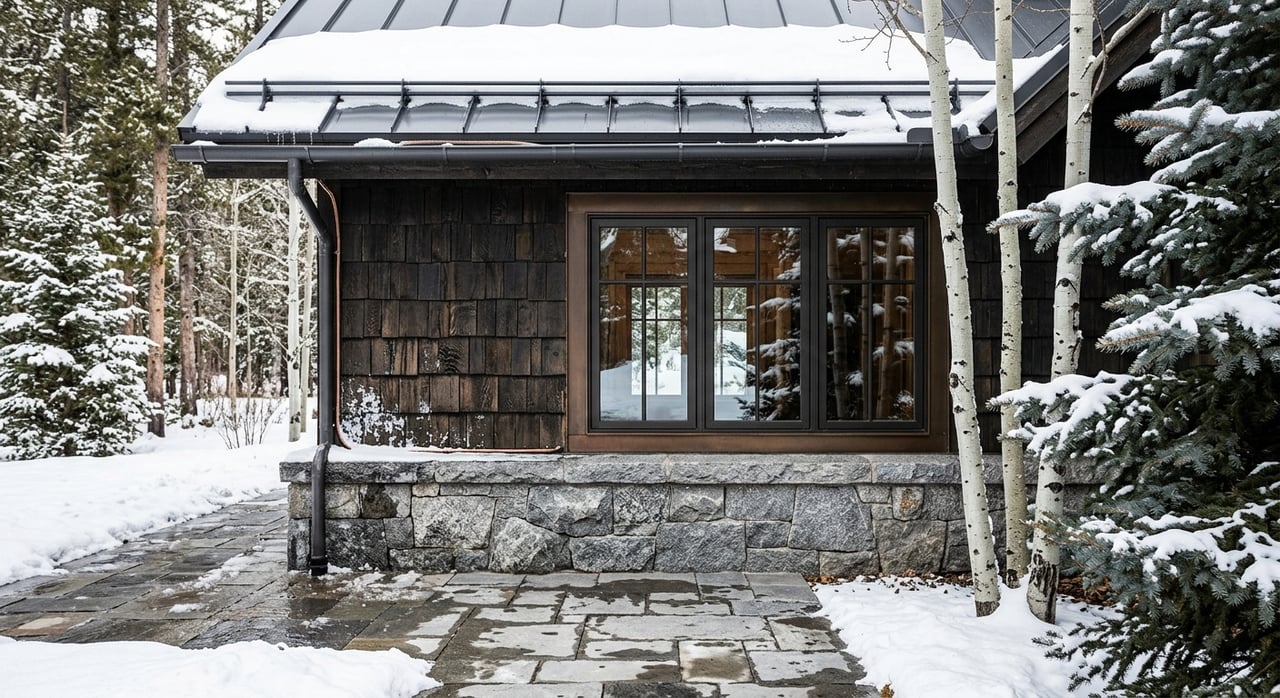
Wondering whether a Telluride home is truly ready for mountain weather? At roughly 8,750 feet above sea level, Telluride brings big beauty along with real demands on a home, from heavy snowfall and intense sun to dry air and fast weather shifts. If you are buying, owning, or preparing to sell here, understanding how high-altitude conditions affect comfort, efficiency, and maintenance can help you make smarter decisions. Let’s dive in.
Why altitude changes home care
Telluride’s climate is not just cold. According to Telluride climate information, the area averages 130.8 inches of snowfall each year, with the heaviest monthly snowfall typically arriving in January, February, and March.
High-elevation Colorado also brings low humidity, intense sun, drying winds, and quick weather swings, according to Colorado State University Extension. For your home, that often means more wear on exterior materials, more attention to drafts, and a greater need to balance indoor moisture and ventilation.
Start with energy performance
If you want a more comfortable and efficient home, start with the building envelope. The Department of Energy recommends beginning with a home energy audit, then prioritizing air sealing, insulation, moisture control, and ventilation.
That order matters. Drafts, cold rooms, and uneven heating often begin with air leakage rather than the heating system itself. DOE says reducing drafts can save about 10% to 20% of annual energy use while improving comfort.
Focus on air sealing first
In a Telluride home, common trouble spots include windows, doors, sill plates, plumbing penetrations, wiring penetrations, and fireplace dampers. The DOE’s home assessment guidance recommends caulk for stationary joints and weatherstripping for movable components.
This is one of the most practical upgrades for mountain living. Tightening the shell helps keep warm air inside during winter and reduces cold-air intrusion during storms and windy weather.
Check ventilation as you tighten the home
A tighter home is usually a better-performing home, but it still needs fresh-air planning. DOE notes that air sealing should be paired with a ventilation check so indoor air quality does not suffer.
That is especially important if the home has fuel-burning equipment. If your property uses gas, propane, oil, or wood appliances, DOE warns that over-sealing can contribute to backdrafting and recommends carbon monoxide detectors in homes with those appliances.
Windows matter more than many owners expect
Windows can be a major source of heat loss at altitude, especially during long winters. The DOE’s window guidance says low-e storm windows or multi-layer glazing can improve thermal performance, and low-e storm windows may save about 12% to 33% on heating and cooling costs depending on the existing window.
If you are evaluating a property or planning upgrades, ask what type of glazing is installed and how the windows perform during winter. In a place like Telluride, efficient windows can improve comfort near glass, reduce drafts, and support more consistent indoor temperatures.
Plan heating upgrades in the right order
It is tempting to solve comfort issues by replacing the furnace or boiler first. But DOE advises improving insulation and windows before major HVAC replacement, then having a heating contractor size the new system appropriately.
That approach can help you avoid paying for oversized equipment. In a mountain market where operating costs and winter reliability matter, the sequence of improvements is just as important as the upgrades themselves.
Balance moisture and indoor comfort
High altitude often means dry indoor air, but the goal is not simply to add more moisture. The better goal is balance.
According to DOE moisture-control guidance, water vapor can condense on cold surfaces, which can contribute to deterioration and mold risk. Air sealing, insulation, and ventilation work together to reduce those problems.
Use spot ventilation well
Kitchens and bathrooms are the first places to check. DOE explains that spot ventilation and whole-house ventilation are the two main approaches, and exhaust fans should vent outdoors.
If bath or kitchen fans do not vent outside, moisture can linger where you do not want it. In a cold-climate home, that can lead to hidden issues over time, especially around windows, ceilings, and poorly insulated surfaces.
Avoid moisture extremes
Colorado’s dry climate can make indoor air feel uncomfortable, especially in winter. At the same time, too much indoor humidity can create condensation on windows and walls.
For high-altitude living, a practical approach is to avoid either extreme. You want indoor air that feels comfortable without creating visible moisture problems.
Protect the roof and exterior shell
In Telluride, the roof is one of the most important systems to evaluate. Snow, ice, and repeated freeze-thaw cycles can expose weaknesses quickly.
The DOE Building Science Education materials note that roof valleys and penetrations are especially vulnerable to water intrusion. Recommended protections include peel-and-stick membrane at valleys and roof-to-wall intersections, metal flashing around penetrations, and ice-and-water shield at roof edges.
Watch for ice dam risk
Ice dams deserve special attention in snowy mountain climates. DOE explains that good air sealing at the ceiling plane or roof deck, adequate insulation, and proper attic or roof ventilation can reduce the melt-and-refreeze cycle that causes ice buildup at the eaves.
If you are reviewing a home’s history, ask whether the roof has had past ice dam issues or flashing repairs. Those details can offer useful clues about how the home has performed in winter.
Treat walls as water-management systems
Exterior walls do more than hold finishes. They also manage water and help protect the structure.
DOE guidance on water-managed wall systems emphasizes housewrap or another weather-resistive barrier behind cladding, properly lapped and taped seams, and integrated flashing around windows, doors, and wall penetrations. If renovation work exposes walls, this is the moment to confirm those layers are doing their job.
Choose durable exterior materials
Telluride’s climate can be tough on exposed surfaces. Based on Colorado State University Extension’s description of high-elevation conditions, durable materials and regular inspection are especially important in this environment.
That usually means paying close attention to exterior paint, sealants, siding condition, trim joints, and sun-exposed surfaces. Intense UV, drying winds, and fast weather changes can shorten maintenance cycles compared with lower-elevation homes.
Do not overlook skylights
Skylights can be a great design feature, especially in mountain homes that capture light and views. But they should be evaluated with the same roof-first mindset as any other opening in the roof system.
DOE notes in its windows, doors, and skylights guidance that skylights can lose heat, while low-e or insulated glazing can improve performance. Proper flashing is also essential.
Winterize for seasonal ownership
Many Telluride owners split time between multiple homes or leave for extended stretches. In that case, winter preparation becomes part of responsible ownership.
The DOE advises against letting the thermostat drop too low, since frozen pipes can burst. It also recommends insulating pipes in colder parts of the home.
Prepare irrigation systems before freezing weather
If the property has a sprinkler system, fall winterization is not optional. Colorado State University Extension recommends blowing out sprinkler lines with compressed air, shutting off the water supply, and winterizing backflow devices.
Freezing water can break pipes, valves, fittings, and pumps. That makes irrigation shutdown one of the most important seasonal maintenance tasks for homes with landscaped outdoor areas.
Have a practical winter access plan
For in-town ownership, logistics matter too. The Town of Telluride parking guidance notes that winter parking and snow-removal rules can affect where vehicles may be left.
If on-street parking is part of your routine, make sure you understand how winter operations affect day-to-day access. For second-home owners, this is a useful item to clarify before the season starts.
Smart questions for buyers and sellers
Whether you are buying or preparing to list, a few focused questions can reveal a lot about how a home handles mountain conditions. DOE says professional home energy assessments can help identify comfort, air-quality, and ventilation issues.
Here are some of the most useful questions to ask:
- When was the last home energy assessment or blower-door test completed?
- Has the roof ever had ice dams, leaks, or flashing repairs?
- What type of windows are installed?
- Do bath and kitchen fans vent outdoors?
- How are sprinkler lines winterized?
- What is the plan for plumbing protection during vacancies?
- Is there a clear snow-removal and parking plan?
For sellers, these same topics can help you prepare your home before it reaches the market. For buyers, they can sharpen your due diligence and help you compare properties more confidently.
Why this matters in Telluride real estate
In a market like Telluride, lifestyle and design matter, but so does year-round performance. A beautiful mountain home should also be able to handle snow loads, dry air, strong sun, and seasonal absences with fewer surprises.
If you are buying, these details help you look beyond finishes and understand how the home may live over time. If you are selling, thoughtful preparation can make your property feel more turnkey and reassuring to well-informed buyers.
When you want local guidance on buying or selling a Telluride home with a clear understanding of mountain ownership, connect with Matthew Hintermeister for a private consultation.
FAQs
What makes high-altitude home maintenance different in Telluride?
- Telluride’s elevation, heavy snowfall, dry air, intense sun, and fast weather changes can increase wear on roofs, exterior finishes, windows, and air-sealing details.
What should Telluride buyers ask about a home’s winter performance?
- You should ask about past energy assessments, roof and ice dam history, window type, ventilation that vents outdoors, plumbing protection during vacancies, sprinkler winterization, and snow-removal logistics.
What are the best first upgrades for a Telluride home?
- DOE recommends starting with an energy audit, then focusing on air sealing, insulation, moisture control, and ventilation before replacing major heating equipment.
Why do windows matter so much in a mountain home?
- Windows can be a major source of heat loss, and efficient low-e or multi-layer glazing can improve comfort and reduce heating demand.
How should you prepare a Telluride second home for winter absences?
- Keep the thermostat from dropping too low, insulate vulnerable pipes, winterize sprinkler systems, and make sure you understand any parking and snow-removal rules that affect access.