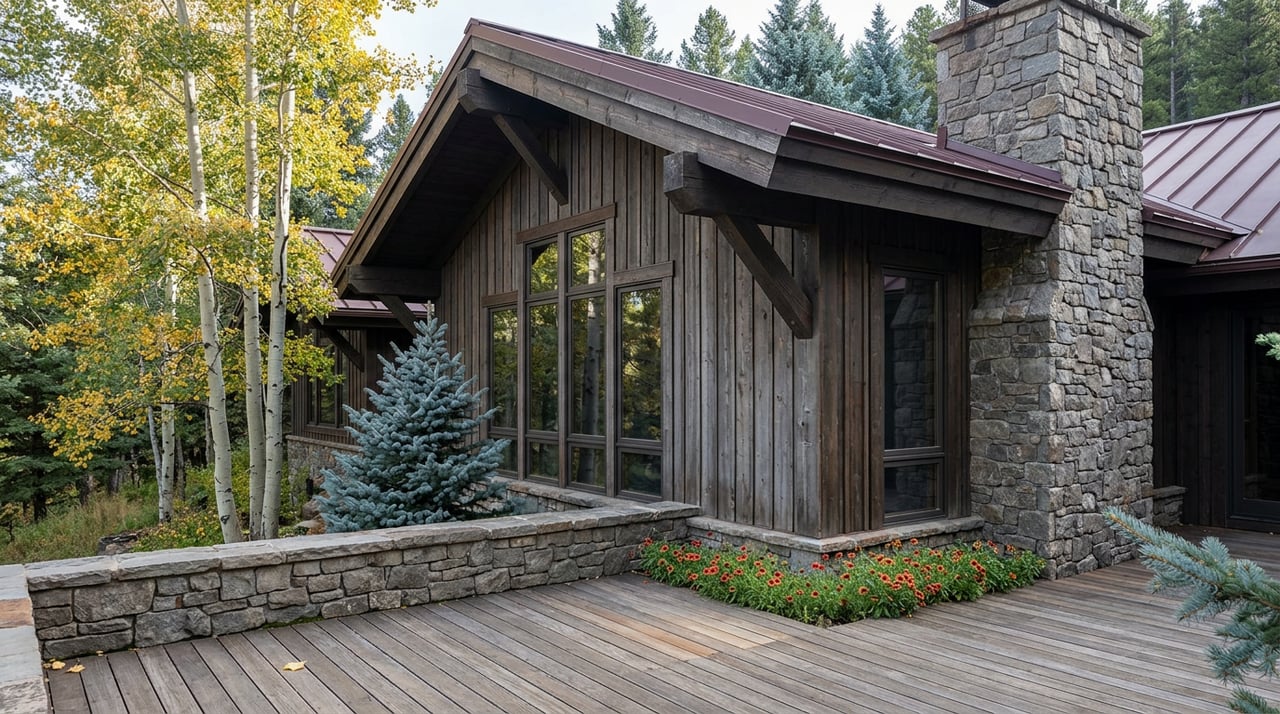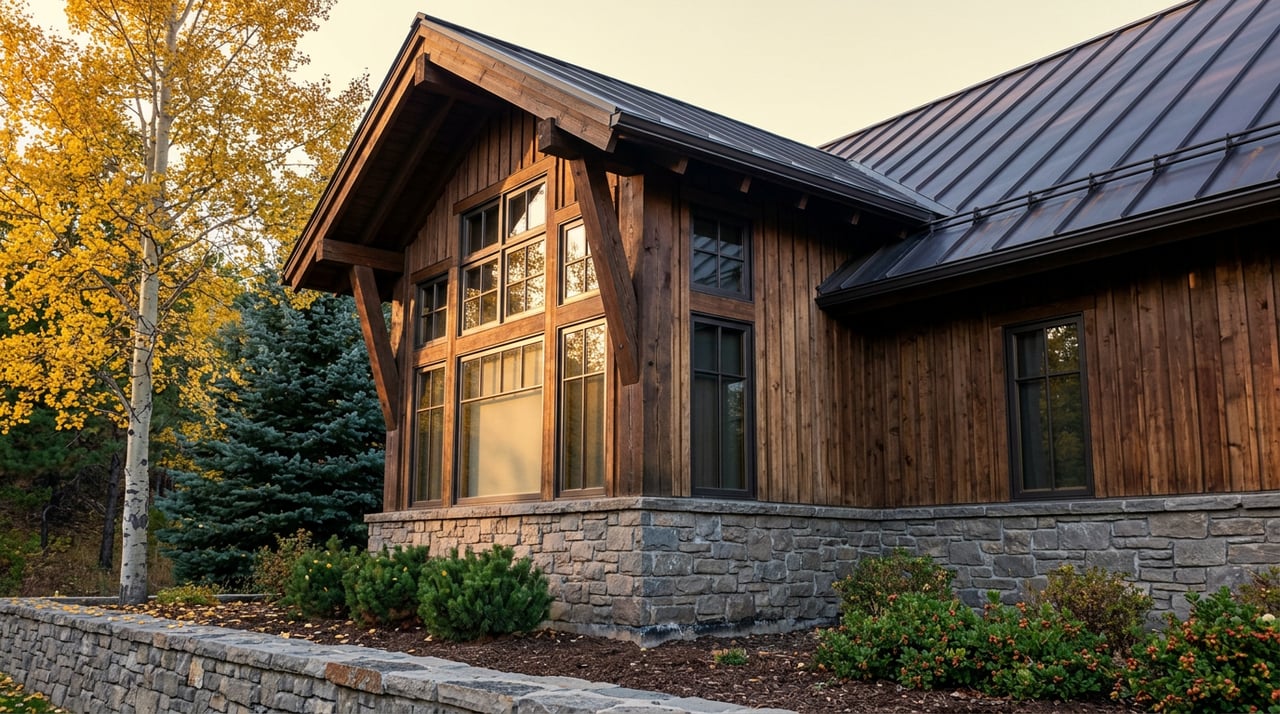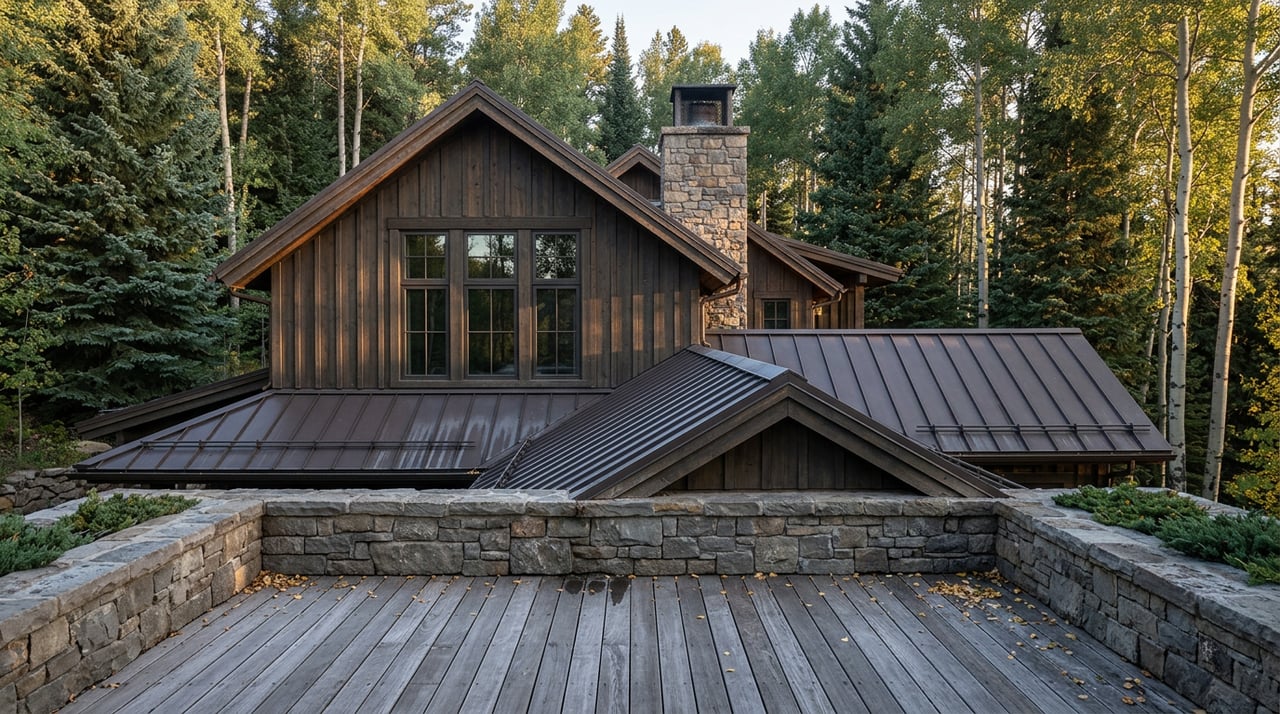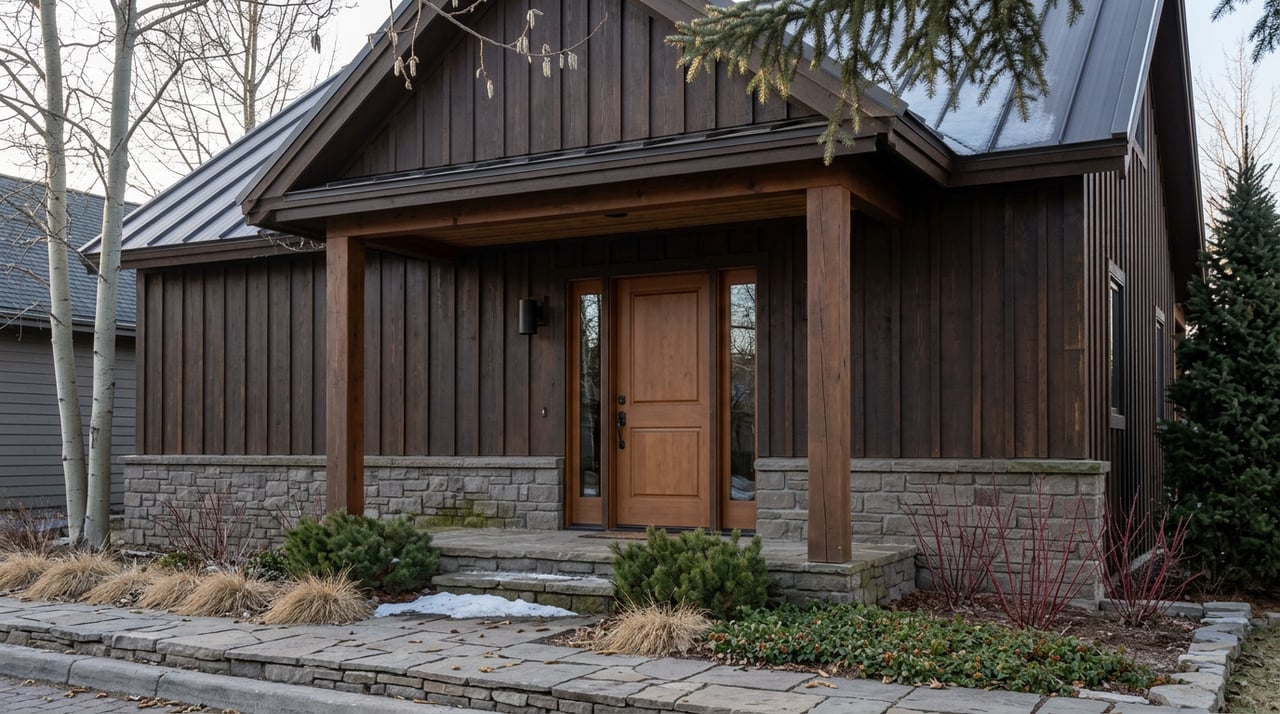
You close on a hundred-year-old miner's cottage on one of the numbered streets north of Colorado Avenue. The porch needs paint, the trim could use new caulk, and you have a contractor lined up for the following week. What most buyers don't realize until they're standing in front of Rebekah Hall with a paint chip in hand is that none of that work can start until the Town says so.
Telluride's entire town core has been a National Historic Landmark District since 1961, designated to preserve the physical record of the mining boom that built the town between 1878 and 1913. That designation didn't just earn Telluride a plaque. It created a standing body, the Historic and Architectural Review Commission, that must issue a Certificate of Appropriateness before a permit can be pulled for almost anything done to a structure's exterior: new construction, demolition, moving a building, renovation, restoration, additions, or alterations. Paint color, window replacement, a new fence line. If it changes what the building looks like from the street, HARC sees it first.
That single fact reshapes how a buyer should think about a historic Telluride purchase. The price isn't just for scarce land inside a fixed boundary. It's for a structure that will remain under a form of shared custody with the town for as long as you own it.
Contributing status decides more than curb appeal
Not every building inside the historic district gets treated the same way, and the distinction matters more than most buyers expect. Telluride's Design Guidelines sort structures by how much they contribute to the district's historic character. A building that's been altered past the point of interpretation, or one built too recently to carry historic significance, can fall into a non-contributing category with more design flexibility. A building the town considers a genuine piece of the mining-era fabric gets far tighter scrutiny.
The guidelines don't stop at the front door, either. Secondary structures like sheds and barns, dry stack rock retaining walls, and even fences are called out as features that help tell the story of how people once lived in Telluride. If those get removed, the guidelines note, the town's ability to read the historic character of a property is diminished even if the main house survives untouched. A buyer who assumes the review only applies to the visible facade of the primary residence can be caught off guard when a HARC review flags a stone wall along the property line.
Before writing an offer on anything inside the boundary, it's worth finding out where a specific property sits on that spectrum. A contributing Victorian and a non-contributing 1970s infill two doors apart can face very different renovation timelines, even if they look similar from the sidewalk.
The three-year clock most buyers never see
Say a HARC review goes well and you receive your Certificate of Appropriateness. That approval isn't permanent. Under the Land Use Code, a Certificate of Appropriateness expires three years from the date it's granted. An amendment to that certificate doesn't reset the clock. If you need more time, you have to request an extension from the Preservation Department at least two months before the original approval expires.
For a buyer planning a multi-phase renovation, that window is tight. Financing delays, contractor scheduling, a slow winter for materials, any of it can push a project past the three-year mark if the approval isn't actively managed. This is a detail worth raising with a contractor and a preservation-savvy agent before you're deep into a project, not after the clock has already run.
A 2026 case file: what review actually looks like
Two active applications from earlier this year show how the process plays out in practice. At 726 E Columbia Avenue, an applicant brought a proposal to HARC in March 2026 for a work session, the informal step where a project team gets the commission's guidance before submitting a formal application. The request was for demolition of the existing house, built around 1974 according to San Miguel County Assessor records, and construction of a new single-family home with a detached one-car garage. The fact that a house from the 1970s still has to go through the same demolition review as a Victorian is a useful reminder: the historic designation attaches to the district's boundaries, not just to buildings that look old.
Down the street at 214 S Fir, a different kind of filing shows up on the commission's January 2026 agenda: an amendment to an already-approved Certificate of Appropriateness. Amendments happen often enough that the code has a specific category for insubstantial changes, ones that don't rise to the level of a new site-specific development plan. In other words, even after you clear HARC once, small adjustments during construction may mean going back for a second look.
Neither case is unusual. Both are visible on the Town's own civic engagement portal, and reviewing recent HARC agendas for a target property, or asking your agent to do it, is one of the more useful pieces of due diligence available before you write an offer.
The trap along the creek
There's a sequencing issue worth knowing about even though the fix predates this year. Before a 2024 code change, the Land Use Code required a Certificate of Appropriateness from Historic Preservation before a project went through wetlands regulation review with the planning department. That order meant HARC could approve a design without knowing whether it actually complied with the town's wetland setbacks. Some applicants took that gap at face value, submitting building permits right after their HARC approval and, according to town staff, sometimes insisting they had a right to proceed even when a design encroached within the required 25-foot buffer.
The town council rewrote the sequence so wetlands review now happens first, giving architects a clear boundary to design around before the HARC process begins. It's a smaller detail than the Certificate of Appropriateness requirement itself, but it illustrates something buyers should sit with: preservation review in Telluride isn't one static rulebook. It has been adjusted before to close gaps that caused real delays for real projects, and it can be adjusted again.
Why the premium holds anyway
None of this friction has cooled demand for property inside the district, and the reason comes down to geography rather than taste. The historic core sits in a box canyon ringed by public land, which means there is essentially no path to large-scale new supply inside town limits. Genuine ground-up construction downtown is rare. In most cases building something new means tearing down or substantially gutting whatever is already standing, which routes the project straight back through the same HARC demolition and new-construction review described above.
That fixed footprint is a large part of why price-per-square-foot figures for homes inside the Town of Telluride have consistently run well above those in Mountain Village, the resort community on the mesa above town, even though Mountain Village offers newer construction and ski-in/ski-out access. As of late May 2026, roughly 90 homes were listed for sale across the Town of Telluride, with a median asking price near $3.2 million. Because so few transactions close in any given month, published figures for how long those homes typically sit on the market vary widely depending on the source and the window measured, with some placing the median near 200 days and others closer to 290 days for the same general period. That's not a contradiction so much as a symptom of the market itself: when only a handful of contributing structures change hands each year, any single average is unstable, and the more reliable read comes from tracking specific comparable sales rather than a headline number.
For a buyer, the practical takeaway is that the preservation process is not a reason to avoid a historic Telluride purchase. It's a known, navigable cost of entry into a supply that genuinely cannot expand, and buyers who understand the process going in are better positioned to move decisively when the right property appears.
Questions worth asking before you write an offer
- Has this property been designated contributing or non-contributing under the town's Design Guidelines?
- Is there an active or expired Certificate of Appropriateness on file for this address, and if expired, was an extension ever requested?
- Are there secondary structures on the lot, like a shed, outbuilding, or stone wall, that could carry their own preservation status?
- Does the parcel sit near a creek, ditch, or drainage that could trigger a wetlands setback review alongside HARC?
- If you're planning a demolition or major addition, has a HARC work session already taken place, and what feedback came out of it?
A few quick answers
Does HARC review interior renovations too? Generally no. The review is tied to what changes on the exterior, erection, demolition, moving, renovation, restoration, addition, or alteration of a structure or sign, so most interior work like kitchens, bathrooms, and mechanical systems falls outside the Certificate of Appropriateness requirement, though it's worth confirming with the Preservation Department for anything touching load-bearing walls or historic interior features specifically called out in a designation.
What if the current owner already did work without HARC approval? This is exactly the kind of issue a pre-offer records check can surface. Reviewing HARC's public meeting archive and permit history for the address before you're under contract is far easier than discovering unpermitted alterations after closing.
How much time should I budget for HARC review before a renovation can start? It varies by project scope, but the process typically includes an initial work session, a formal application, and commission review before a permit can be issued, and any approval you receive carries a three-year expiration. Building that timeline into your renovation budget from day one avoids scrambling for an extension later.
If you're weighing a historic property in downtown Telluride against something newer in Mountain Village or the Mesas, the preservation process is one of the clearest ways the two markets actually differ, well beyond price per square foot. Matthew Hintermeister has spent more than two decades working properties on both sides of that line and can walk you through a specific address's HARC history before you write an offer. Request a Private Consultation to start that conversation.