What makes a Telluride home feel unmistakably Telluride? Often, it comes down to architecture. If you are browsing listings, planning a purchase, or thinking about long-term ownership in this market, understanding local design styles can help you read a property more clearly. You will see why some homes feel tied to the mining-era town grid, why others lean into alpine materials and slope-driven design, and how style often signals upkeep, setting, and everyday experience. Let’s dive in.
Why Telluride homes look different
Telluride is not a one-style market. Its built environment reflects both a preserved mining-town core and later mountain-resort development, which means architecture changes depending on where you are.
The Town of Telluride organizes design through treatment areas rather than one uniform style. These include Historic Residential, Residential/Commercial, Main Street Commercial, Accommodations, East and West Telluride Residential, Transitional Hillside, Developing Hillside, and the River Park Corridor Overlay. In practical terms, the location of a home often tells you as much as the style label in the listing.
In the historic core, the town grid plays a major visual role. Local design guidance emphasizes pedestrian scale, aligned alleys, and building placement that reinforces that grid, which helps explain why downtown Telluride feels compact, walkable, and visually cohesive.
Historic Telluride style
Telluride’s core was designated a National Historic Landmark District in 1961. The National Register record for the Telluride Historic District identifies Late Victorian and Gothic Revival architecture, with significance tied to the periods 1875 to 1899 and 1900 to 1924.
That history still matters today. In the Historic Landmark District, projects are reviewed for both historical and architectural impact, and the local design framework asks buildings to remain simple, scaled, and compatible with their surroundings.
Just as important, the town’s guidelines say that in an intact historic district, older buildings should visually dominate. So when you walk through the core, the preserved character is not accidental. It is actively protected.
Victorian cottages and vernacular homes
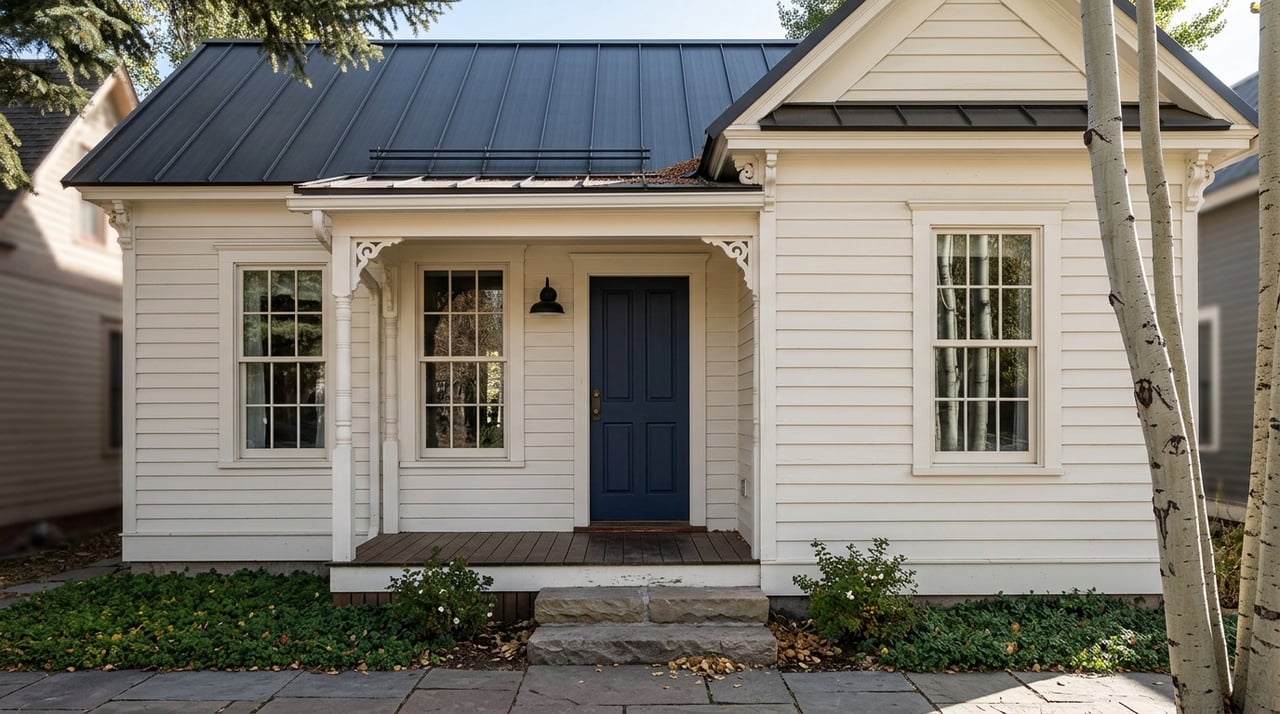
Many of Telluride’s older homes are vernacular wood-frame buildings. Wood siding is the most common exterior treatment, while more decorative examples may show Queen Anne or Gothic Revival influence.
This is the visual language behind the classic Telluride cottage. You will often see compact proportions, simple massing, porches, and a strong sense of connection to the street.
These homes usually do not read like oversized resort properties. Instead, they tend to feel modest in form, even when they have been carefully restored or updated over time.
What buyers should notice
If you are drawn to a restored historic home, materials matter. Local guidance says original siding should be preserved when feasible, synthetic siding is considered inappropriate, and wood should be repaired and kept painted.
The same compatibility standard extends beyond the house itself. Fences, retaining walls, and lighting are expected to remain historically compatible and visually subdued.
For you as a buyer, this usually means a historic-core home can come with a stronger stewardship component. Exterior changes may involve more careful design review than they would in other parts of the market.
Mountain-modern and alpine homes
Outside the historic core, Telluride architecture shifts. Newer construction is not expected to copy historic homes exactly, especially in areas where the town allows more flexibility.
In the Accommodations area, local guidelines acknowledge that large mixed-use projects will continue to be built. Even so, they are still expected to maintain visual continuity with older parts of town and respect the town grid where feasible.
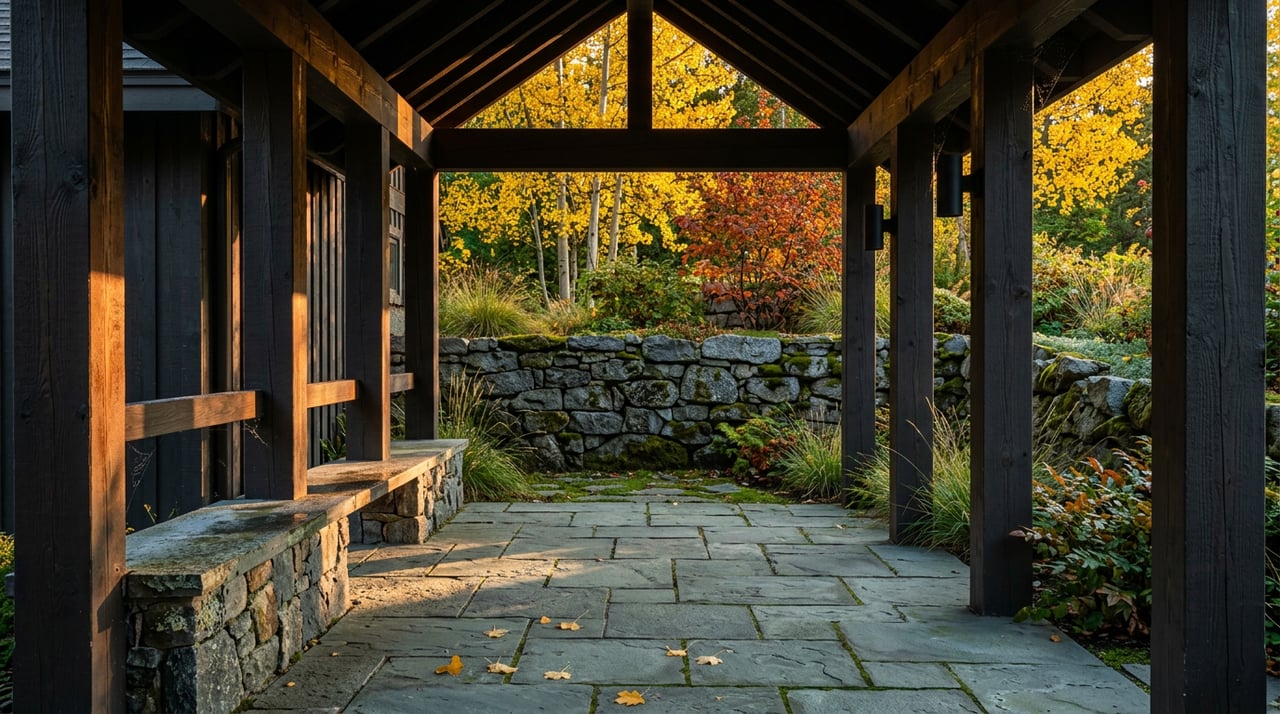
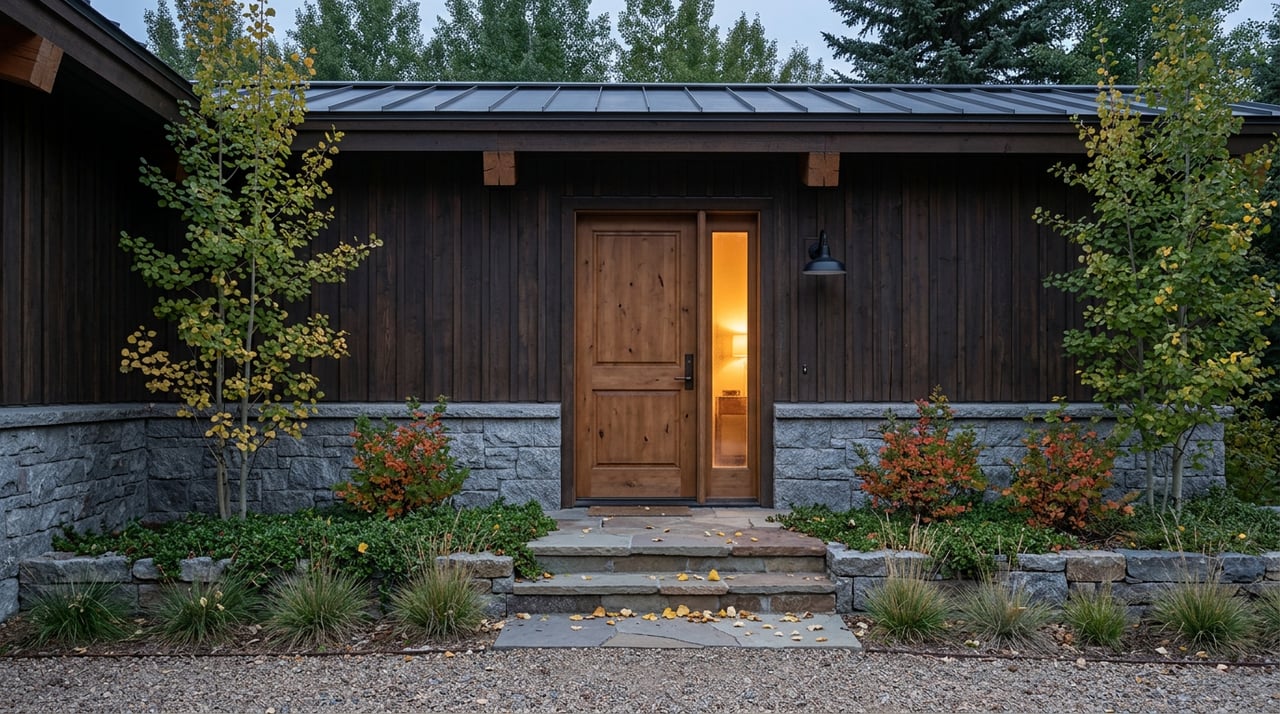
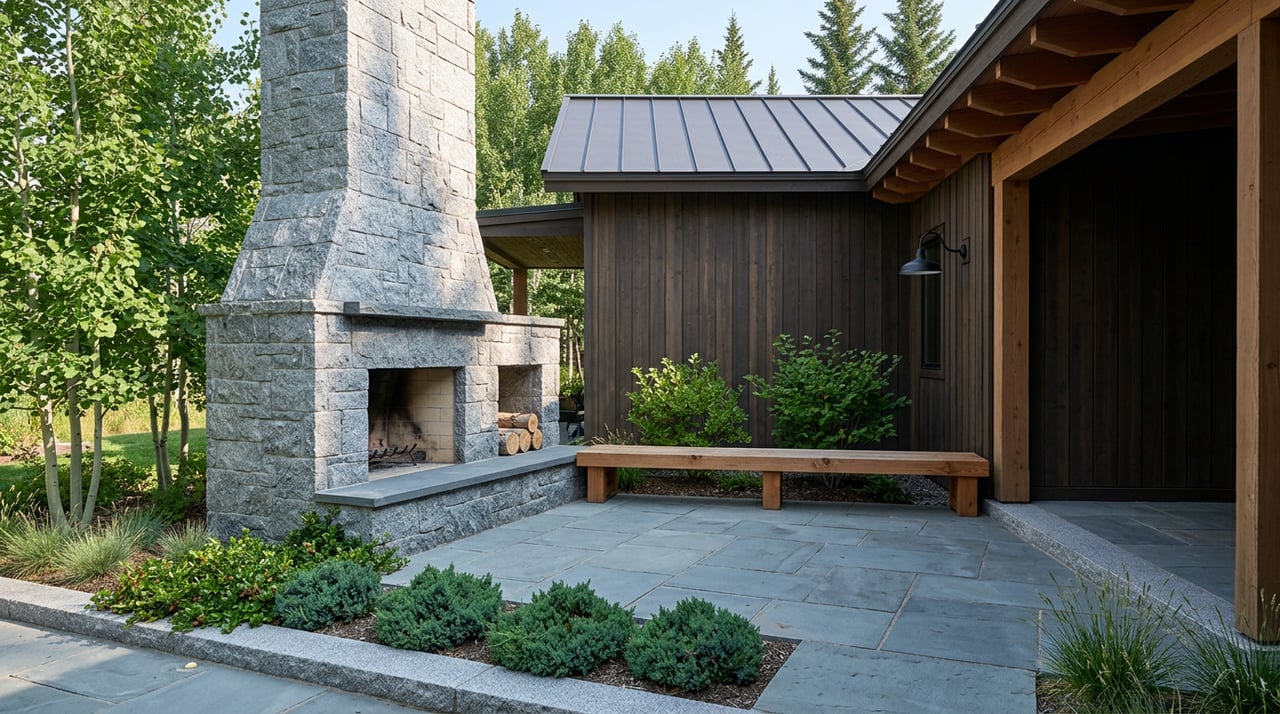
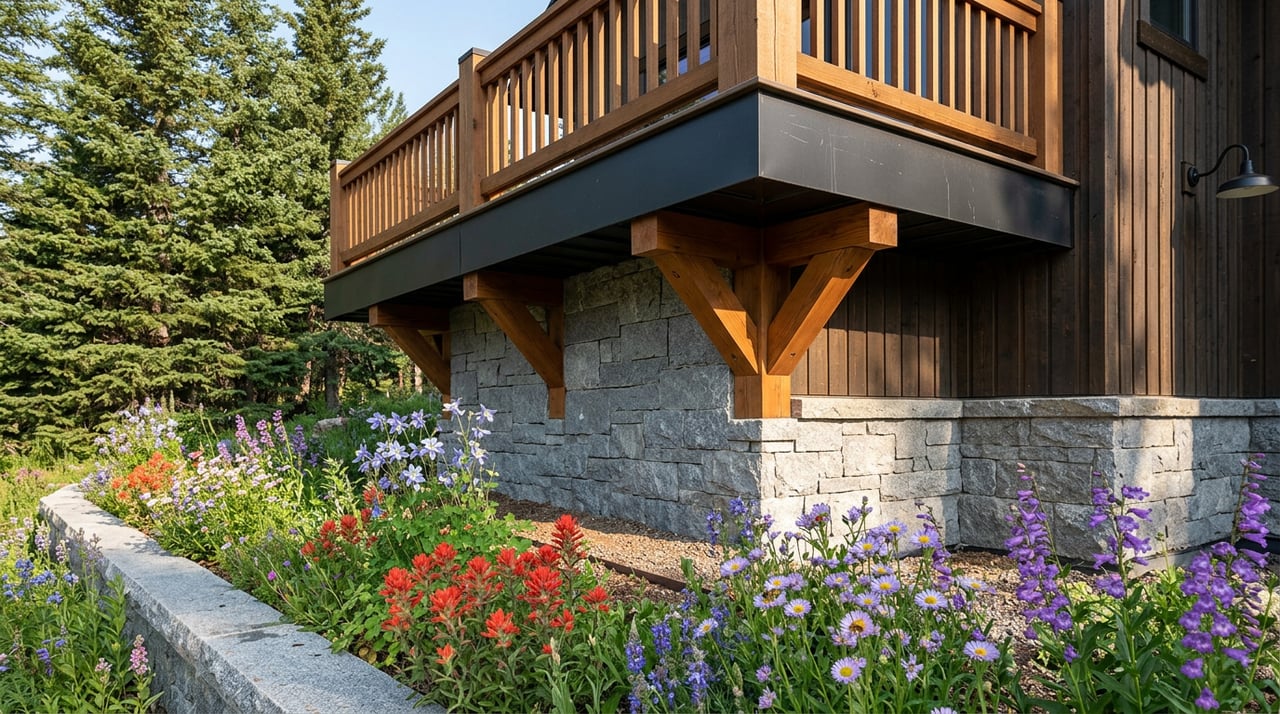
Mountain Village takes that alpine approach even further. Its design regulations call for architecture and landscaping that respond to alpine design, use natural materials such as stone, wood, and metal, step with topography, express snow-load conditions, and blend colors with the surrounding landscape.
Common mountain-modern cues
When you look at newer mountain homes, several visual patterns tend to stand out:
- Stone, wood, and metal exterior palettes
- Massing that steps with the slope
- Larger areas of glass
- Rooflines and forms that respond to snow conditions
- Colors that blend with the natural setting
Local Mountain Village design discussions also reference timber and log-home forms. That places log and timber properties within a broader mountain vernacular rather than within the preserved Victorian vocabulary of downtown Telluride.
How the setting shapes the style
In Telluride and Mountain Village, architecture is closely tied to terrain. A home on flatter land in the historic grid tends to read very differently from one set into a hillside or oriented to alpine views.
That is why mountain-modern design often feels more expansive. The building may open more directly to the landscape, break into volumes across a sloped site, and use materials that visually connect it to the terrain.
Townhomes and mixed-use design
Another important part of the market is contemporary townhomes and mixed-use product. These properties tend to appear where local guidelines allow more variety, especially in the Accommodations area and on larger parcels.
Here, the design goal is not usually literal historic replication. Instead, the emphasis is on pedestrian routes, visual continuity, and human-scale design, while still allowing more diversity in building character than you typically see in the historic residential core.
For buyers, this creates a different ownership proposition. A townhome or mixed-use property may offer a more contemporary layout or lower-maintenance exterior condition than a restored historic cottage, while still fitting within the town’s broader design framework.
What current inventory tells you
Telluride’s inventory reflects this range. A current Realtor.com search snapshot cited in the research report showed 118 matching Telluride properties across condos, townhouses, houses, land, and new construction.
That broad mix matters because it reinforces a simple point: there is no single Telluride home type. The market spans compact condo-style options, contemporary townhomes, restored historic homes, and larger houses shaped by alpine design.
Recent Redfin market data in the research report put Telluride’s median sale price at $4.7 million with 78 days on market. In a high-price, selective market like this, architectural style is more than visual appeal. It can influence how buyers compare value, maintenance expectations, and overall fit.
How to read a Telluride listing
If you are searching online, it helps to know what details usually point to each style category. The photos, exterior materials, and building placement often tell the story quickly.
Signs of a historic-core home
Look for these cues in listings:
- Painted wood siding
- Porches
- Compact footprints
- Simple rooflines
- A strong relationship to the street and alley
These details align most closely with Telluride’s vernacular wood-frame housing and the pedestrian-grid standards in the historic areas.
Signs of a mountain-modern, log, or timber home
Look for these features:
- Stone, wood, and metal materials
- Stepped massing
- Larger glazing
- Siting that follows the slope
- Design that appears shaped by snow conditions
These are the cues most closely associated with alpine design guidance in Mountain Village and the broader local mountain vernacular.
Signs of a townhome or mixed-use property
Look for:
- Multi-unit buildings
- Larger parcels
- Strong pedestrian connection
- Design that feels contextual without looking overtly historic
In Telluride, these homes are often found in areas designed to allow more variation than the historic residential core.
Why style matters for ownership
Architecture in Telluride is not just about appearance. It often affects what ownership feels like day to day.
A historic home may offer strong character and a direct connection to Telluride’s mining-era identity, but it can also come with a greater need for exterior stewardship and design compatibility. A mountain-modern home may feel more connected to views, topography, and newer materials. A townhome may balance location, design continuity, and easier upkeep.
In other words, the neighborhood and treatment area usually matter as much as the style itself. They can shape the home’s setting, the likely maintenance rhythm, and the way the property fits into the wider market.
Choosing the right Telluride style
The best style for you depends on what kind of ownership experience you want. Some buyers are drawn to the preserved scale and texture of the historic core, while others want the space, materials, and site integration of alpine design.
If you are comparing options across Telluride and Mountain Village, it helps to evaluate each home through three lenses:
- Setting: Is the property tied to the historic grid, a hillside site, or a larger parcel?
- Materials: Does it rely on painted wood, or a stone-wood-metal palette?
- Stewardship: Will the exterior likely require a more preservation-oriented approach?
When you read the market this way, listings become much easier to interpret. You are not just seeing style. You are seeing how place, design, and ownership come together.
Whether you are searching for a restored cottage, a contemporary townhome, or a mountain home shaped by the alpine landscape, local context matters. If you want expert guidance on how architectural style connects to neighborhood fit and long-term value in Telluride, Matthew Hintermeister can help you navigate the options with local insight and concierge-level service.
FAQs
What architectural styles define Telluride homes?
- Telluride homes are most strongly defined by historic Late Victorian and Gothic Revival influences in the core, along with vernacular wood-frame cottages, mountain-modern homes, and log or timber properties shaped by alpine design.
What makes a historic Telluride home different?
- Historic Telluride homes often feature painted wood siding, compact forms, porches, simple rooflines, and building placement that relates closely to the street grid and alley system.
What should buyers know about Telluride historic homes?
- Buyers should know that homes in the Historic Landmark District may involve greater exterior stewardship, with local design review focused on preserving historically compatible materials and character.
How do Mountain Village homes differ from downtown Telluride homes?
- Mountain Village homes more often follow alpine design principles, using stone, wood, and metal, stepping with the terrain, and responding to slope and snow conditions rather than reflecting the mining-era vocabulary of downtown Telluride.
Are contemporary townhomes common in Telluride?
- Contemporary townhomes are part of the Telluride market, especially in areas where local guidelines allow more variety in building character, including larger parcels and mixed-use settings.
Why does architectural style matter when buying in Telluride?
- Architectural style can signal how a home fits its setting, what kinds of materials and design features you should expect, and whether ownership may involve more preservation-focused upkeep or a more contemporary maintenance profile.