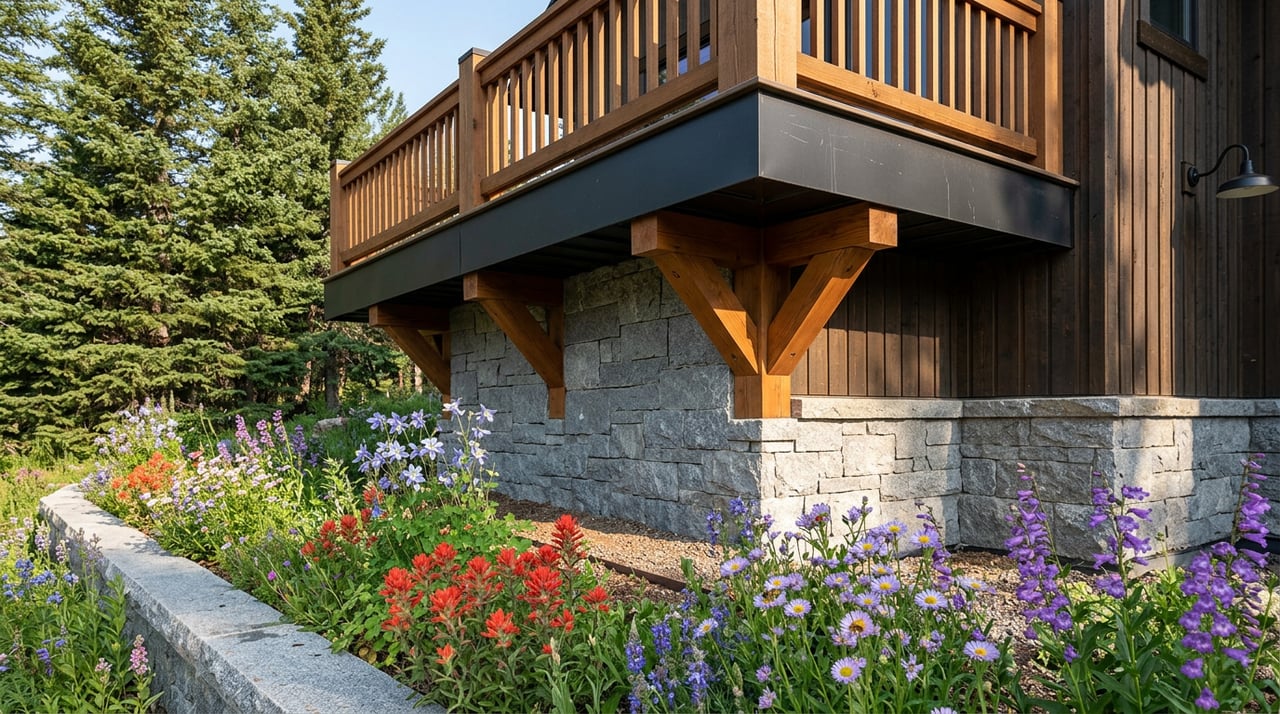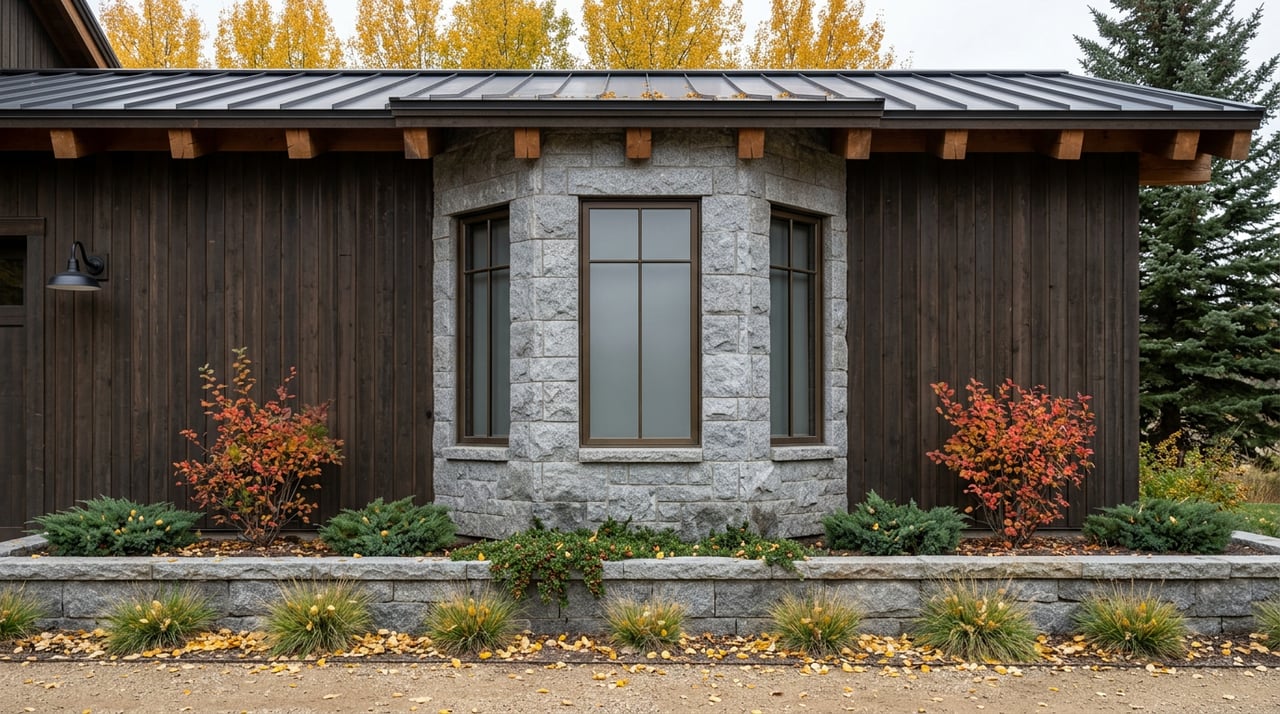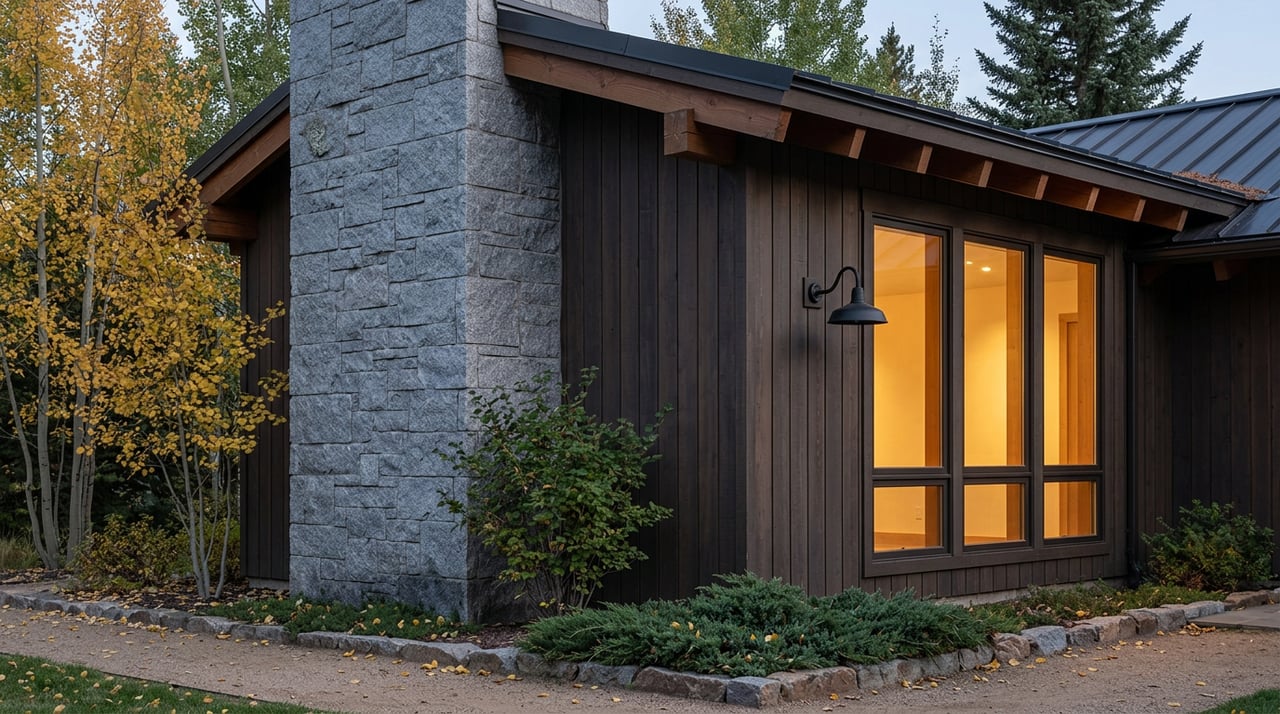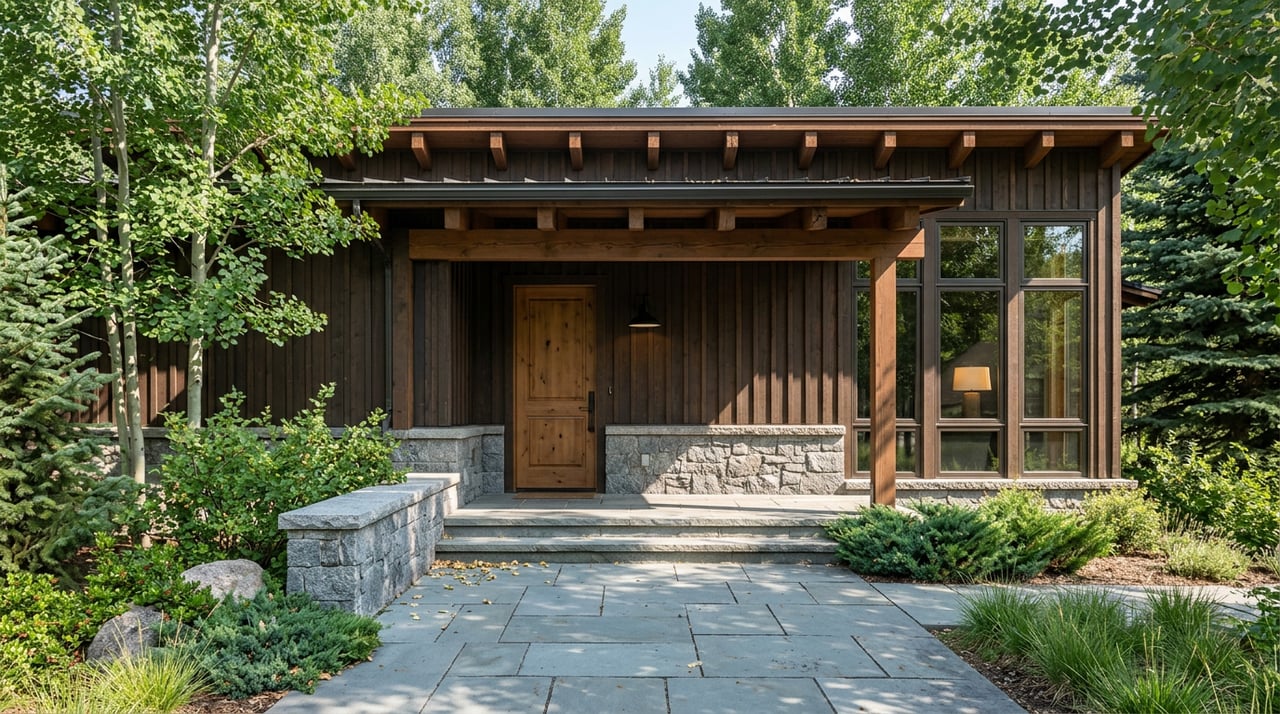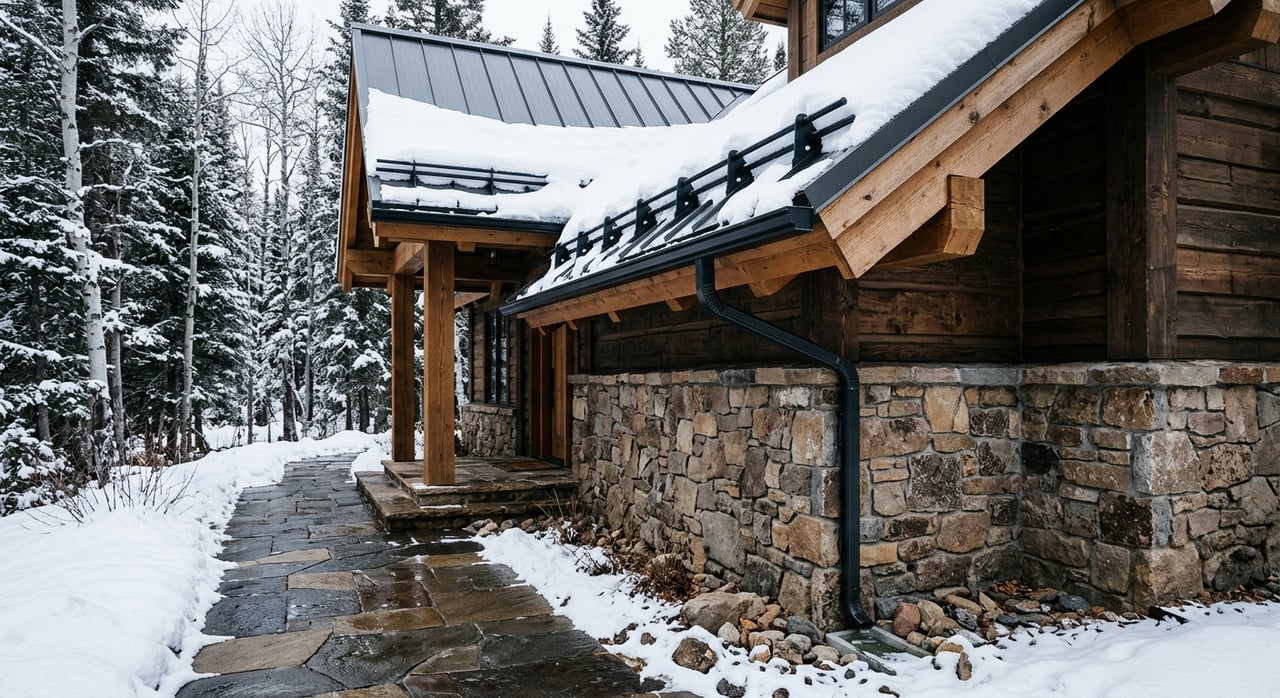
A Telluride second home can feel like a dream purchase, but the true cost of ownership goes well beyond your mortgage payment. If you are planning for a place you will use seasonally, hold long term, or rent at times, it helps to understand the recurring expenses that come with mountain ownership. When you budget for the full picture from the start, you can buy with more confidence and fewer surprises. Let’s dive in.
Why long-term costs matter
In Telluride, ownership costs are shaped by climate, municipal services, and property type. That means your long-term budget should account for more than standard line items like insurance and repairs.
A second home that sits empty part of the year still needs monitoring, utility service, and seasonal upkeep. If you are comparing homes in town, in Mountain Village, or in nearby areas, these costs can vary in meaningful ways.
Start with property taxes
Colorado residential property taxes are calculated using actual value, assessment rate, and mill levy. For 2026, the residential local-government assessment rate is 6.8% after a 10% reduction of the first $700,000 of actual value, while the residential school assessment rate is 7.05%.
San Miguel County also notes that mill levies vary by tax area. In practice, two similar Telluride properties can have different annual tax bills depending on where they sit.
The county gives a Town of Telluride example of a $500,000 improved residential property with a mill levy of 0.051835, which produces an estimated tax bill of $1,619.84. That example is helpful, but your own property tax number may differ based on value and location.
Plan for tax timing too
Cash flow matters just as much as the tax amount. San Miguel County tax statements are mailed to the owner of record, and taxes are due January 1 for the prior year.
You can pay in full by April 30, or in two halves by February 28 and June 15. If you miss the deadline, delinquent interest accrues at 1% per month, and you remain responsible even if your mortgage company also pays taxes.
Budget for monthly utilities
The Town of Telluride bills water, sewer, trash, and recycling monthly through its Finance Department. That means utilities are not an occasional expense you can ignore when the home is vacant.
Telluride has also shifted residential water rates from a flat fee to a consumption-based system to encourage conservation. On top of that, Town Council approved 5% increases in both water and wastewater rates for 2026.
For homes outside town limits, the cost can be higher. The 2025 water and wastewater ordinance sets rates at 125% of in-town rates, plus a $190.50 annual debt-support surcharge.
Vacancy does not eliminate utility costs
One common mistake second-home buyers make is assuming an empty property will cost very little to run. In Telluride, that is not always the case.
The town notes that utility fees can continue even when a property is under remodel or has water shut off, if you want to retain access to water and sewer taps. It also warns that a single running toilet can use about 1,000 gallons per day, which makes leak detection and periodic checks worth planning for.
Expect recurring trash and recycling costs
Trash and recycling are another steady expense. In town, Telluride uses Bruin Waste as its contractor, and these fees are collected on utility bills.
Under the town’s published 2024 to 2029 resource-recovery schedule, residential refuse-and-recycling annual base rates run roughly from $408.72 to $671.34 depending on cart size and service mix. You may be able to opt out to a private contract, but either way, waste service belongs in your annual budget.
Winter maintenance is not optional
Telluride’s climate is one of the biggest reasons second-home carrying costs can be higher than buyers expect. NOAA normals for the Telluride 4WNW station show a mean annual temperature of 38.1°F, annual precipitation of 20.37 inches, and annual snowfall of 130.8 inches.
That level of snowfall is a budgeting issue, not just a lifestyle detail. Snow removal, winter inspections, freeze prevention, and storm response often become recurring services rather than rare one-off costs.
Access rules can affect ownership planning
The town’s winter parking regulations run from November 1 through April 1 so crews can plow snow, cut ice from curbs and gutters, and keep streets passable. Vehicles on the public right of way generally must be moved every 72 hours.
For an absentee owner, that can create a practical need for regular oversight. Even if your home is used only part time, winter access management is still part of responsible ownership.
Include landscape and irrigation care
Mountain properties also need seasonal exterior care beyond snow removal. Telluride describes the area as a high-altitude ecosystem where water conservation is important and recommends wise watering, drought-tolerant planting, and mulching to reduce evaporation.
For budgeting purposes, that can mean irrigation startup and shutdown, system monitoring, and closer attention to water use than you might expect in a lower-elevation market. If your property includes outdoor living areas or landscaping, this line item deserves more than a rough estimate.
Wildlife can create added upkeep
In Telluride, wildlife awareness is part of ownership. The town states that it is in black bear habitat and requires wildlife-attractive trash containers to be secured with a locking mechanism.
Violations can lead to fines, and damaged carts may need repair or replacement. Over time, compliant bins, locked enclosures, and occasional service visits can become real operating costs.
HOA dues can change the picture
If you are buying a condo, townhome, or other common-interest property, HOA costs may be one of your largest recurring expenses. Colorado guidance explains that regular assessments, often called dues, may be charged monthly, quarterly, or annually.
These dues can cover maintenance, landscaping, legal fees, registration fees, insurance, and other operating costs. Depending on the community, they may reduce some direct upkeep burdens while increasing your fixed monthly carrying cost.
Do not ignore special assessments
Regular dues are only part of the story. Colorado guidance also states that special assessments may be used for repairs, replacements, new construction, or reserve funding.
That matters in a mountain market where weather, exterior materials, and shared infrastructure can drive significant maintenance needs. Before you buy, it is wise to understand not just current dues, but also the association’s reserve posture and recent assessment history.
Insurance deserves a wider budget lens
Insurance is its own line item, but in shared communities it can overlap with HOA planning. Colorado’s Division of Real Estate says associations must maintain property insurance on common elements and commercial general liability insurance.
The Colorado Division of Insurance also notes ongoing homeowners and HOA insurance challenges statewide. For a Telluride second-home owner, that means it is smart to budget not only for premiums, but also for deductibles, reserve exposure, and the possibility of increased HOA costs tied to insurance or repairs.
Renting the home adds compliance costs
If you plan to rent your Telluride second home short term, your budget should include more than cleaning and turnover. The Town of Telluride says it does not have agreements with third-party platforms to collect local taxes for short-term rentals.
Instead, owners must collect and remit local tax through the town’s system. The town states that the total tax on short-term rentals is 17.22%, which makes tax administration an ongoing operating task.
Management can be part of the real cost
Many second-home owners also choose to budget for property management or home watch. That is a practical response to local conditions such as winter parking rules, snow access, bear-proof trash requirements, and utility monitoring.
The exact cost will vary by property and service scope, but the need for regular oversight is easy to underestimate when you live out of town. For many owners, this is less about convenience and more about protecting the asset.
A simple Telluride second-home checklist
Before you buy, make sure your long-term budget includes:
- Property taxes and payment timing
- Water, sewer, trash, and recycling
- Higher utility costs for out-of-town service areas, if applicable
- Snow removal and winterization
- Leak monitoring and vacant-home checks
- Landscape and irrigation care
- Wildlife-compliant trash storage and repairs
- HOA dues and possible special assessments
- Insurance premiums, deductibles, and reserve exposure
- Short-term rental tax remittance, if you plan to rent
- Property management or home watch, if needed
Buy with a clearer ownership plan
The right Telluride second home can be an extraordinary lifestyle purchase, but the smartest buyers underwrite the full ownership experience, not just the acquisition. When you understand the recurring costs ahead of time, you can compare homes more accurately and choose a property that fits both your goals and your comfort level.
If you want help evaluating the real carrying costs of a condo, townhome, ski property, or private mountain residence, Matthew Hintermeister can help you look beyond the list price and plan with local insight.
FAQs
What property taxes should you plan for with a Telluride second home?
- Colorado residential property taxes are based on actual value, assessment rate, and mill levy, and San Miguel County says mill levies can vary by tax area.
Are utilities still charged when a Telluride second home is empty?
- Yes. Telluride bills water, sewer, trash, and recycling monthly, and some utility fees can continue even during vacancy, remodels, or shutoffs.
Do homes outside Telluride town limits have higher water and sewer costs?
- Often yes. The 2025 ordinance sets out-of-town water and wastewater rates at 125% of in-town rates, plus a $190.50 annual debt-support surcharge.
Why are winter maintenance costs important for a Telluride second home?
- Telluride averages 130.8 inches of annual snowfall, which makes snow removal, winter checks, and freeze prevention recurring costs for many owners.
Do Telluride condo buyers need to budget for HOA special assessments?
- Yes. Colorado HOA guidance says special assessments may be used for major repairs, replacements, new construction, or reserve funding.