You come to Telluride for the feeling you get the moment the peaks open up and the gondola hums overhead. When you decide to make that feeling yours, a luxury townhome can be the simplest path to a turnkey, low‑maintenance base. The key is knowing which features truly matter for daily life at altitude, winter and summer. In this guide, you’ll see what top buyers expect, how Town of Telluride and Mountain Village differ, and what to verify before you write an offer. Let’s dive in.
Telluride vs. Mountain Village
Choosing between in‑town Telluride and Mountain Village shapes nearly every decision. The historic town core offers walkability to dining, festivals, and the gondola. Mountain Village trades Victorian streets for modern resort convenience and many slopeside developments. The two are linked by a free public gondola, so you can prioritize either in‑town lifestyle or ski‑in proximity and still access both.
In Mountain Village, purpose‑built luxury townhomes often span multiple levels with larger footprints. In Town, you may find smaller townhomes or condo conversions that still command a premium because of location and access. Both markets are high‑end, and pricing varies by size, age, finishes, and exact setting. If you plan any exterior changes in the historic core, remember that in‑town properties are governed by local land‑use and historic‑review standards that limit visible alterations. You can review the Town’s Historic & Architectural Review Commission framework in the land use code for context at the Telluride municipal code.
Floor plans and scale buyers expect
Multi‑level living with separation
Luxury Mountain Village townhomes often feature three or more levels, multiple bedroom suites, and generous gathering spaces. That vertical layout creates privacy zones for guests and family, and it helps frame mountain views on upper levels. In Town, you will still see multi‑level living, but footprints are often more compact.
Primary suites and guest privacy
Expect a true primary suite with a spa‑style bath, steam shower, custom tile or stone, and a walk‑in closet. Guest bedrooms are typically en suite, and some plans include a bunk room or den that flexes as a media space.
Private elevators and easy circulation
In larger residences, a private elevator is a common request. It simplifies luggage days, grocery runs, and hosting across multiple floors. Thoughtful stair design, storage at each landing, and wide hallways also help day‑to‑day livability.
Finishes and systems that define luxury
Kitchens and baths built to perform
High‑end appliances are standard at this tier. You often see Wolf and Sub‑Zero, stone or statement‑grade countertops, designer lighting, custom millwork, and integrated wine storage. Primary baths typically feature heated floors and steam showers with custom stone or tile.
Comfort tech for altitude and seasons
Hydronic in‑floor radiant heat is a hallmark in new and renovated luxury product. It delivers quiet, even warmth in winter. Many newer builds also add whole‑home air conditioning for summer comfort, EV‑ready garages, and space for a backup power solution. These systems improve both day‑to‑day comfort and resale appeal.
High‑performance windows and insulation
At elevation, premium glazing reduces drafts and protects interior comfort. Ask for window specifications, such as triple‑pane or high‑quality double‑pane with Low‑E coatings. For a plain‑English primer on why window ratings matter, see this energy‑efficient windows guide.
Storage, arrival, and daily function
Gear‑ready mudrooms
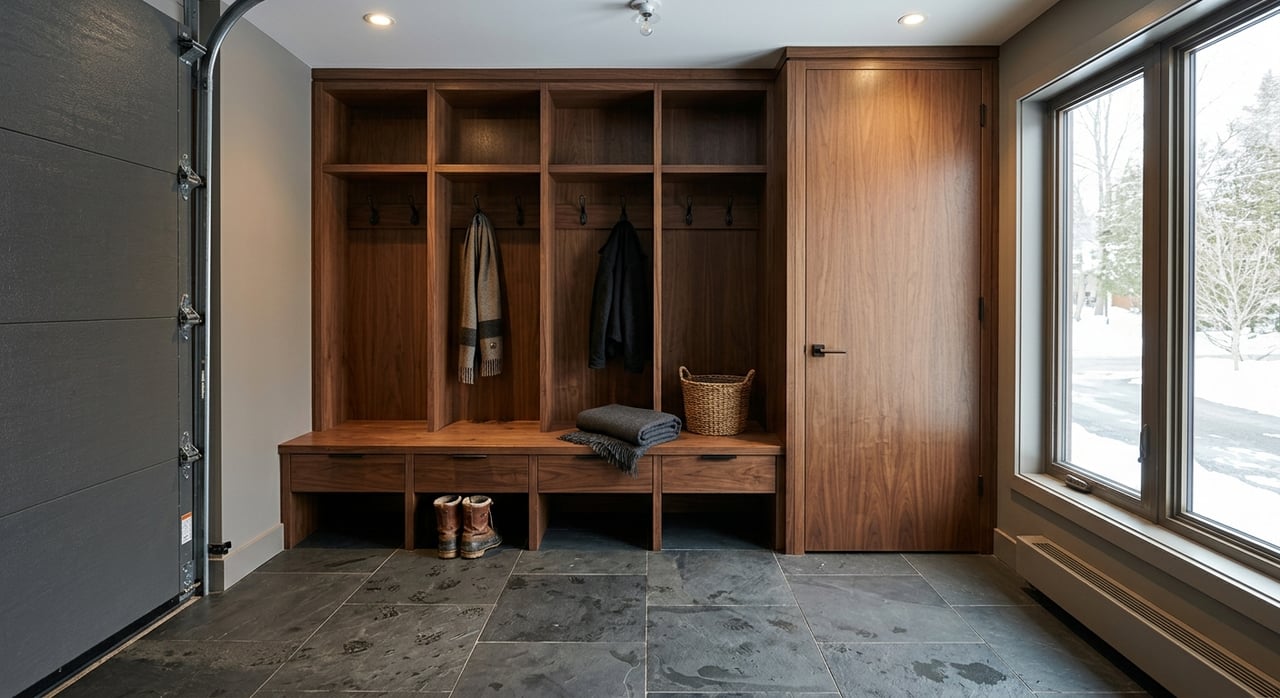
A dedicated mudroom or gear room is essential. Look for built‑in benches, cubbies, boot dryers, and space for skis and boards. Some projects also include private ski lockers in the garage or building core.
Laundry and owner lock‑offs
Full‑size laundry, preferably on the bedroom level, makes life easier. Owner storage closets or lock‑offs are key if you plan to rent, host, or keep seasonal gear on site.
Garages and winter parking
Heated garages, snow‑melt driveways or approaches, and clear guest parking rules are premium features in Telluride and Mountain Village. In the historic town core, street parking is limited and seasonal rules apply, so private covered parking is a major convenience. You can review the town’s layout and parking zones on the Telluride parking map.
Outdoor living that works year‑round
Terraces that extend the living room
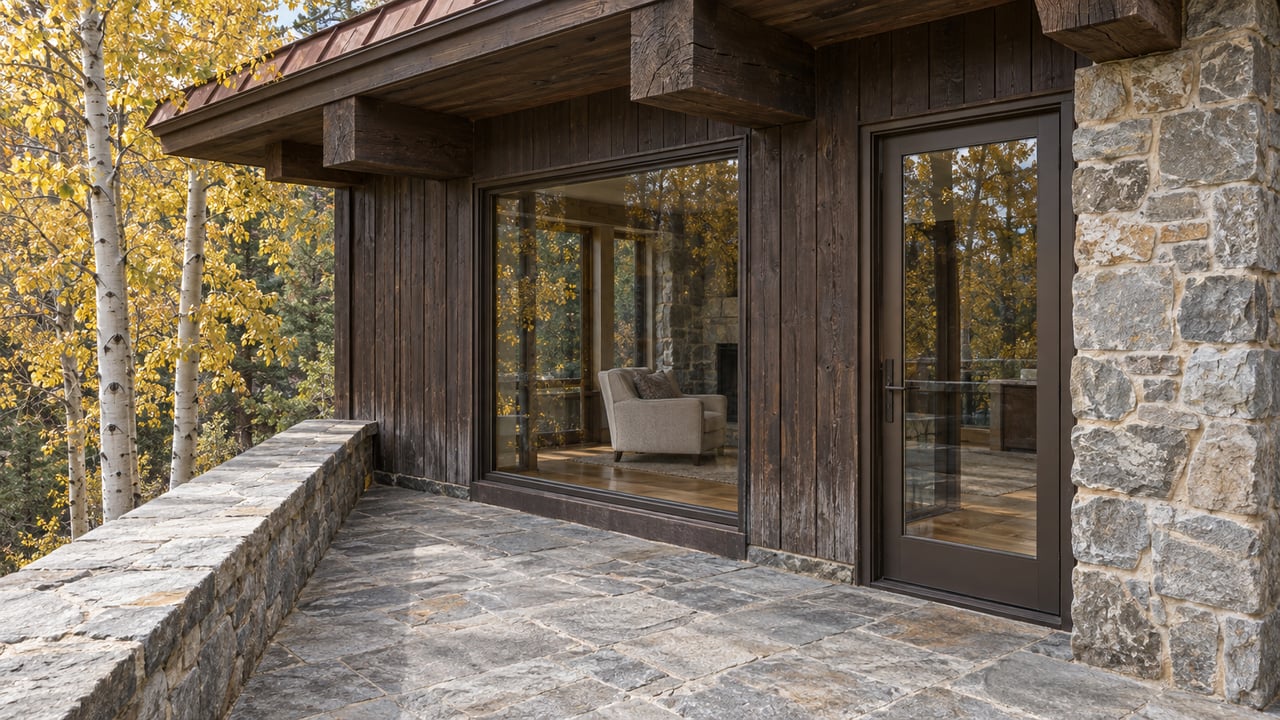
Buyers expect usable outdoor space, oriented to sun exposure and wind protection. Upper‑level terraces that capture views feel like an extra room for morning coffee and sunset gatherings.
Private hot tubs and grill hookups
Rooftop decks or terraces often include hot‑tub hookups and gas lines for grilling. These setups are common selling points in newer Mountain Village townhome projects and select in‑town builds.
Snow‑management details
Heated balconies, snow‑melt walkways, and durable deck finishes reduce winter maintenance. If a listing highlights these features, confirm they are operational and document service history.
The “mountain modern” look
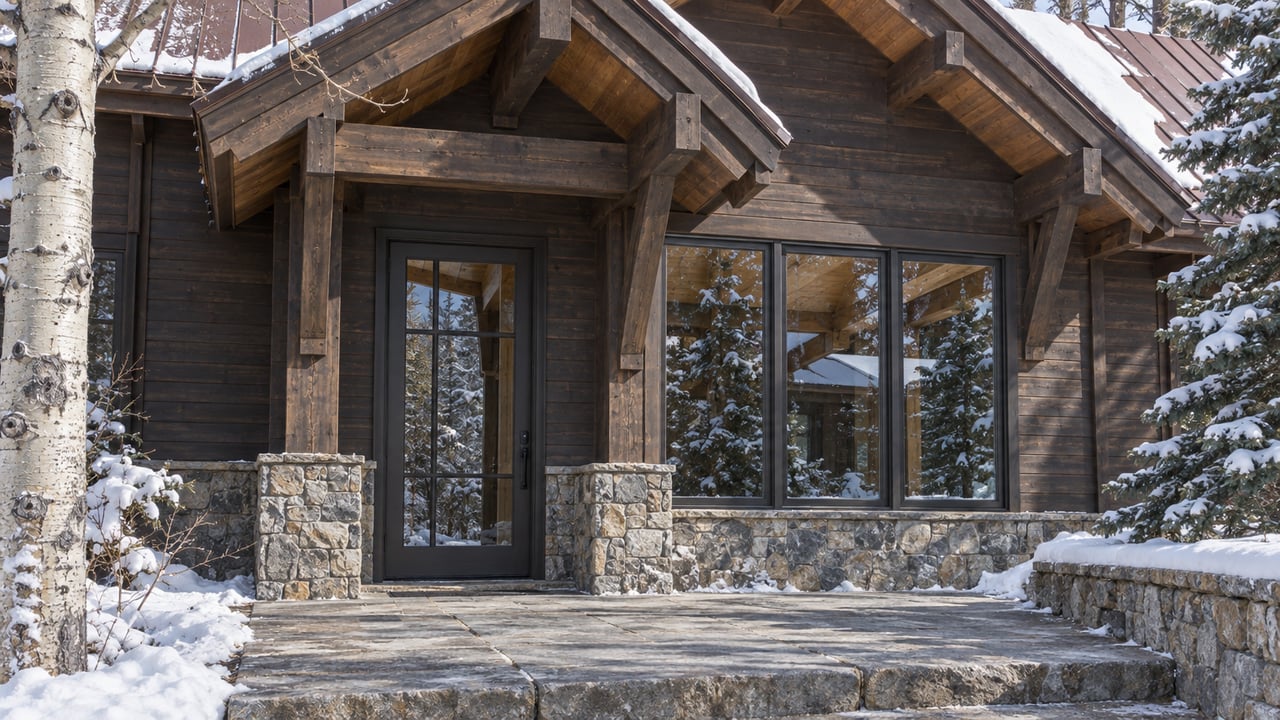
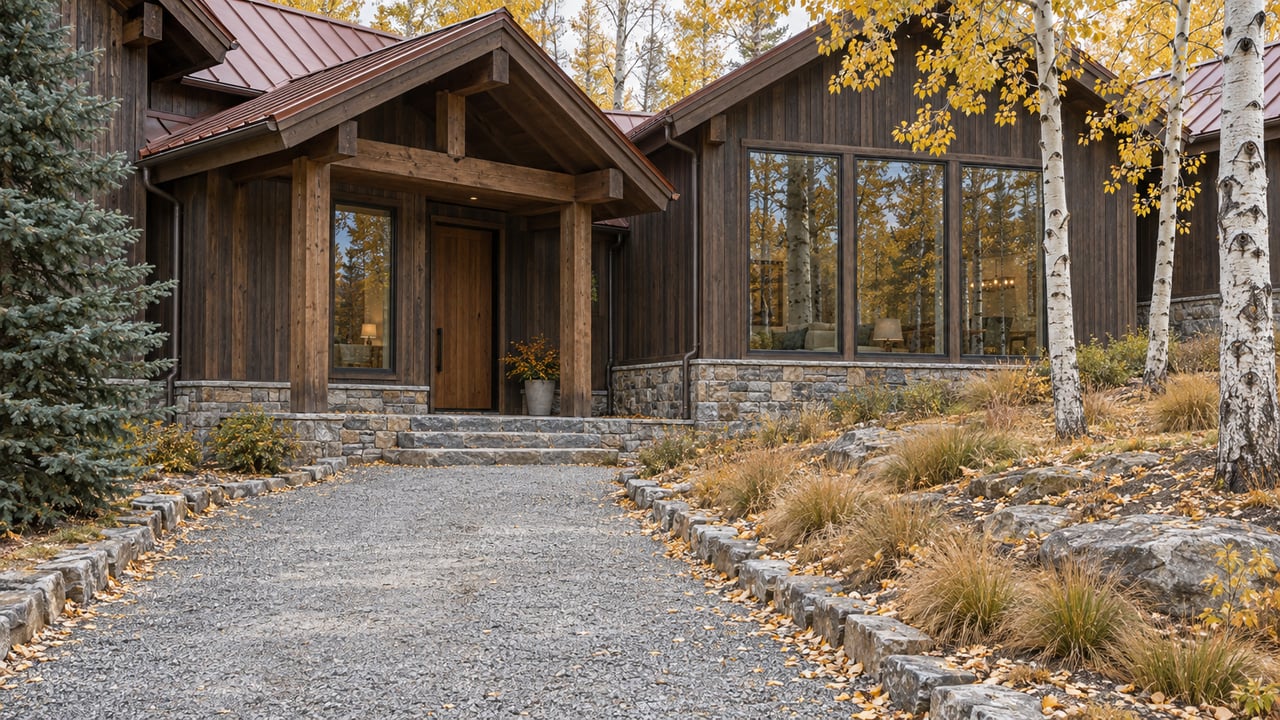
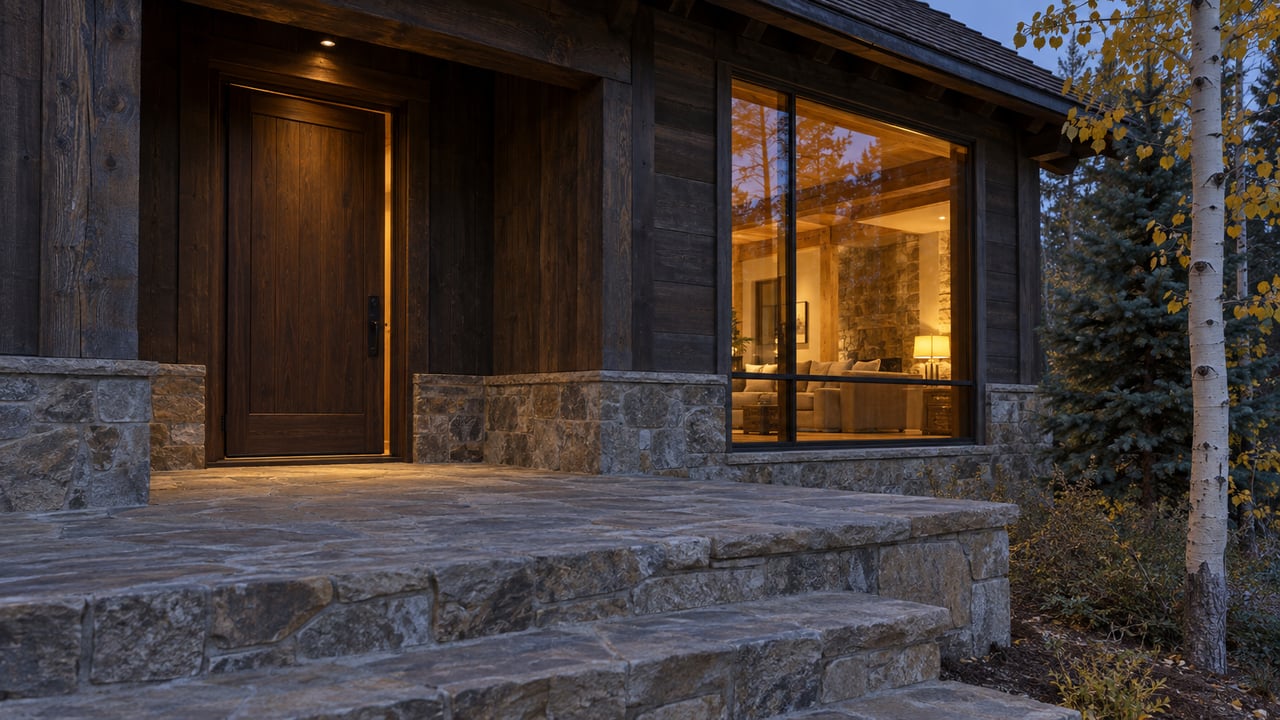
Telluride luxury has embraced mountain modern design: clean lines, big windows, timber and stone accents, and a quiet natural palette. The goal is to connect the interior to the outside while keeping materials durable and low‑maintenance for second‑home use. For visual reference on the style language, browse this Architectural Digest profile of a mountain design studio that works with these palettes and forms.
What to know before you buy
HOA dues and reserve health
HOA dues vary widely based on services such as snow removal, on‑site management, and amenities. Before you write an offer, request the budget, most recent reserve study, 12 to 24 months of meeting minutes, and any capital projects calendar. A good primer on what a reserve study reveals is available from Association Reserves. These documents help you gauge assessment risk and long‑term stewardship.
Short‑term rentals and taxes
Short‑term rentals are permitted and taxed, but licenses, caps, and fee structures differ between Town of Telluride and Mountain Village. If rental income matters, confirm which license type applies, the current tax and fee structure, and any zone‑based limits before you rely on revenue. You can review the Town’s license types and program details on the Short‑Term Rental Licenses page.
Legal form and financing
“Townhome” describes how a residence looks, but ownership can be fee simple or condominium. The legal form affects maintenance responsibilities, insurance, and mortgage options. For a clear overview, see this explanation of how townhome ownership works. If you plan to finance, some condo projects require project‑level approval to qualify for conventional loans, while others may be considered non‑warrantable. Early lender review helps prevent surprises. You can read more on project eligibility concepts in this Freddie Mac guidance.
Historic‑district limits for in‑town homes
In Town of Telluride’s historic core, exterior changes, visible materials, and height can be limited. If you plan to add a roof deck, change windows, or alter the facade, consult past approvals and meet with local review staff before you close. The Town’s land use code outlines the preservation framework.
Smart touring checklist
Use this quick list when you tour, and request documents in escrow:
- Ownership and title: Confirm fee simple lot or condominium unit, and get the legal description. This defines what exterior elements you own. See the overview on townhome ownership.
- HOA packet: Ask for CC&R or declaration, bylaws, current budget, reserve study, 12 to 24 months of minutes, and a delinquency report. Review for special assessments. Read why a reserve study matters.
- STR status: Request the unit’s license history and have your agent confirm the correct license type and current taxes and fees via the Town’s STR page.
- Parking and winter access: Measure garage bays and verify snow‑melt features. Review guest parking rules and the town’s parking map.
- Building envelope: Inspect roofs, balcony waterproofing, deck drainage, and any heated balcony systems. Ask for maintenance records.
- Mechanical systems: Request service history for boilers or heat pumps, and age of A/C components if present.
- Windows and insulation: Ask for window manufacturer and ratings. This energy‑efficient windows guide explains why specs matter at elevation.
- Insurance: Review the HOA master policy and deductibles. Confirm walls‑in versus walls‑out coverage.
- Financing check: If you plan to use conventional financing, have your lender confirm project eligibility early. See related Freddie Mac concepts.
Ready to explore your options?
You deserve a guide who knows the nuances of Telluride and Mountain Village and can help you prioritize features that fit how you live and host. When you are ready to walk through active listings, confirm HOA health, or model STR scenarios, connect for a private, data‑driven consultation. Reach out to Matthew Hintermeister to begin.
FAQs
What defines a luxury townhome in Telluride or Mountain Village?
- In this market, luxury typically means multi‑level living with several en suite bedrooms, hydronic radiant heat, designer kitchens and baths, high‑performance windows, heated garages, and well‑designed outdoor spaces like terraces or roof decks.
How do HOA dues and reserves affect my purchase?
- Dues vary based on services. Always review the budget, reserve study, and meeting minutes to understand capital needs and potential assessments. A strong reserve plan supports long‑term value and smoother ownership.
Are short‑term rentals allowed in Telluride townhomes?
- Yes, with licenses, taxes, and zone‑based limits that differ by jurisdiction. Confirm the correct license type, current fees, and any caps using the Town’s published Short‑Term Rental Licenses information and check Mountain Village rules if applicable.
Do I need air conditioning at this elevation?
- Many luxury builds include A/C for summer comfort, even at altitude. Combined with high‑performance windows and good air‑sealing, A/C can improve comfort during warmer months and broaden rental appeal.
What is the difference between a townhome and a condo here?
- “Townhome” describes the building style. Ownership can be fee simple or condominium, which changes maintenance responsibilities, insurance, and financing. Ask your agent and lender to confirm the legal form and loan eligibility early.
What should I verify about parking and winter access?
- Measure garage dimensions, confirm heated or snow‑melt features, and understand guest parking rules. In Town, street parking is limited and seasonal restrictions apply, so private covered parking is a premium convenience.