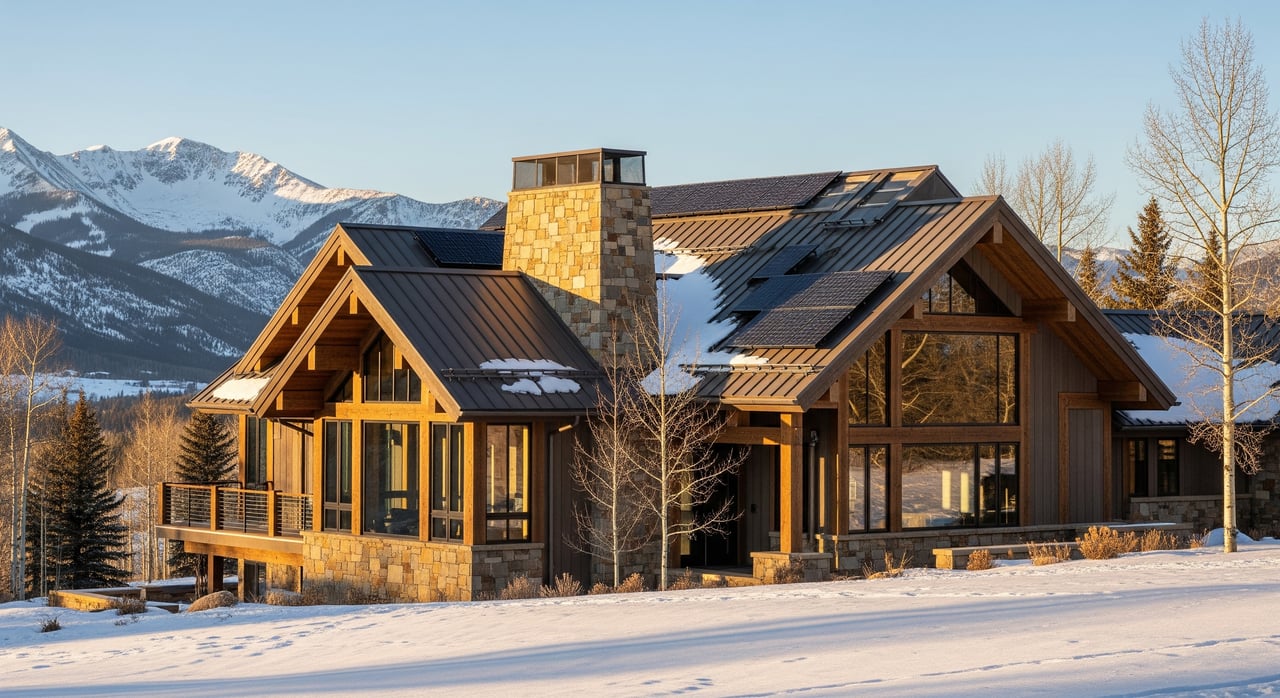
Are you weighing sun-filled living against deep-winter reality in West Meadows? In Mountain Village, you enjoy bright, high-altitude sunshine and serious snowfall, often in the same day. If you plan well, you can capture free winter heat, protect your roof from heavy snow, and keep walkways safe. This guide shows you how passive solar choices and roof design work together in West Meadows, and what to watch for when you build or buy. Let’s dive in.
West Meadows climate and code basics
Mountain Village sits at high elevation with intense winter sun, frequent heavy storms, and big daytime temperature swings. That means rapid melt and refreeze cycles, dense snowpacks that weigh more per inch, and a higher risk of sliding snow and ice dams. Your roof must handle significant weight and direct meltwater safely.
Before you design or remodel, confirm requirements with the Mountain Village and San Miguel County building departments. Local amendments, adoption years of the IRC or IBC, and ASCE 7 procedures govern snow loads, drift calculations, and roof factors. Insurers may also require specific snow‑management measures where shedding could impact people or property.
As a planning mindset, expect higher design snow loads than lowland areas, with site conditions like elevation and exposure shaping the final number. Always use the official ground snow load and follow ASCE 7 for roof snow load and drift design.
Passive solar that works here
Orientation and glazing
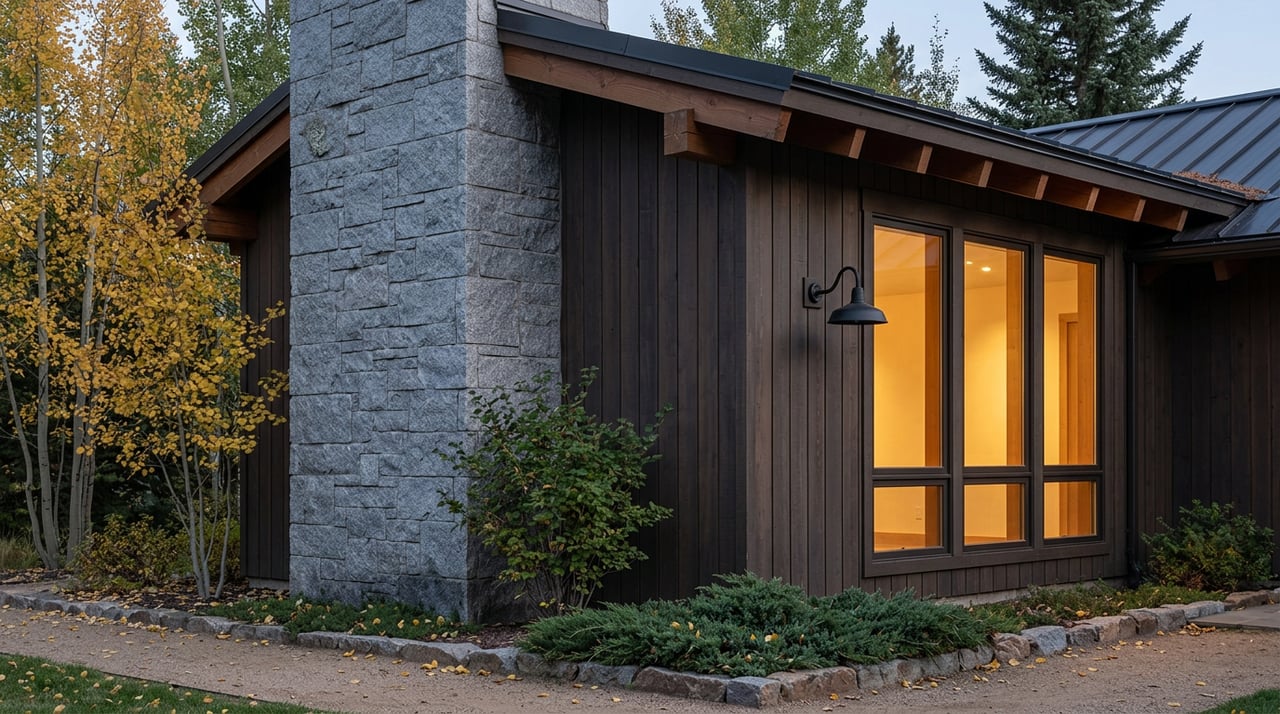
South-facing windows capture the best winter sun in Mountain Village. At roughly 38 degrees north latitude, the winter sun sits low, so south glazing can deliver real heating benefits. The tradeoff is that large glass areas also move heat toward eaves and roof edges if detailing is weak, which can trigger melt and refreeze. Pair south glazing with a tight, well-insulated envelope to enjoy gains without ice headaches.
Overhangs and shading in snow country
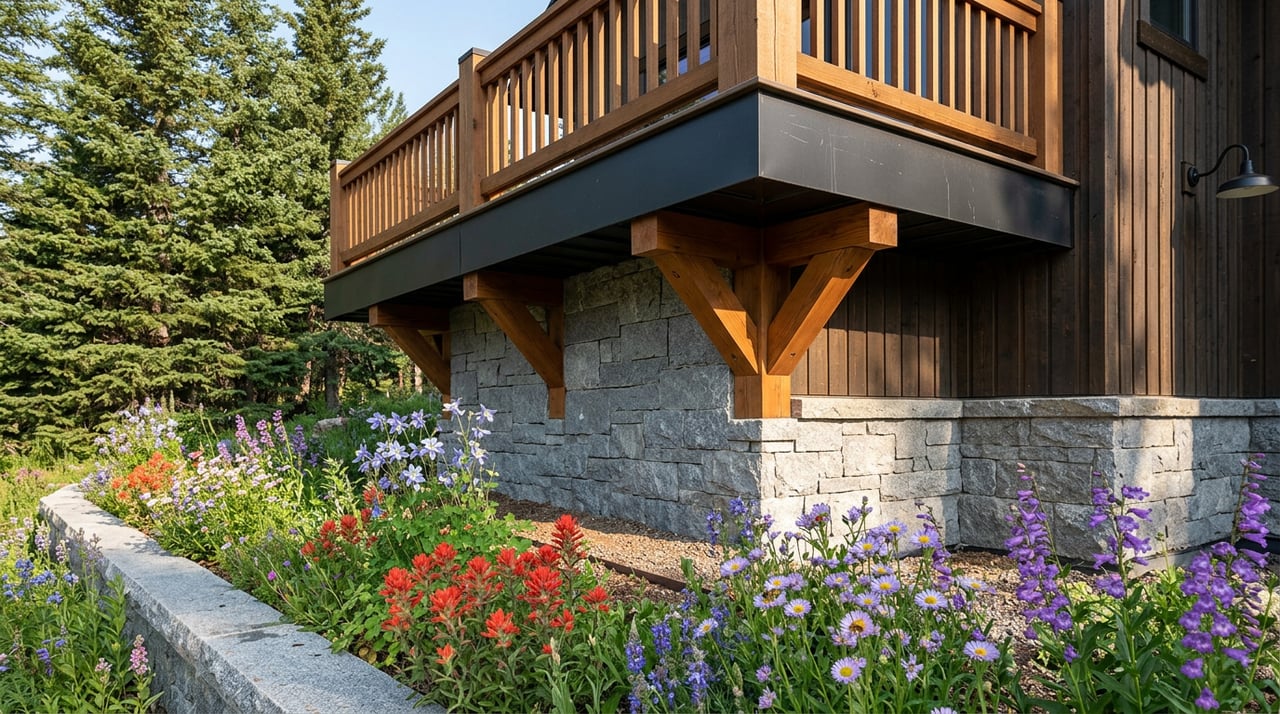
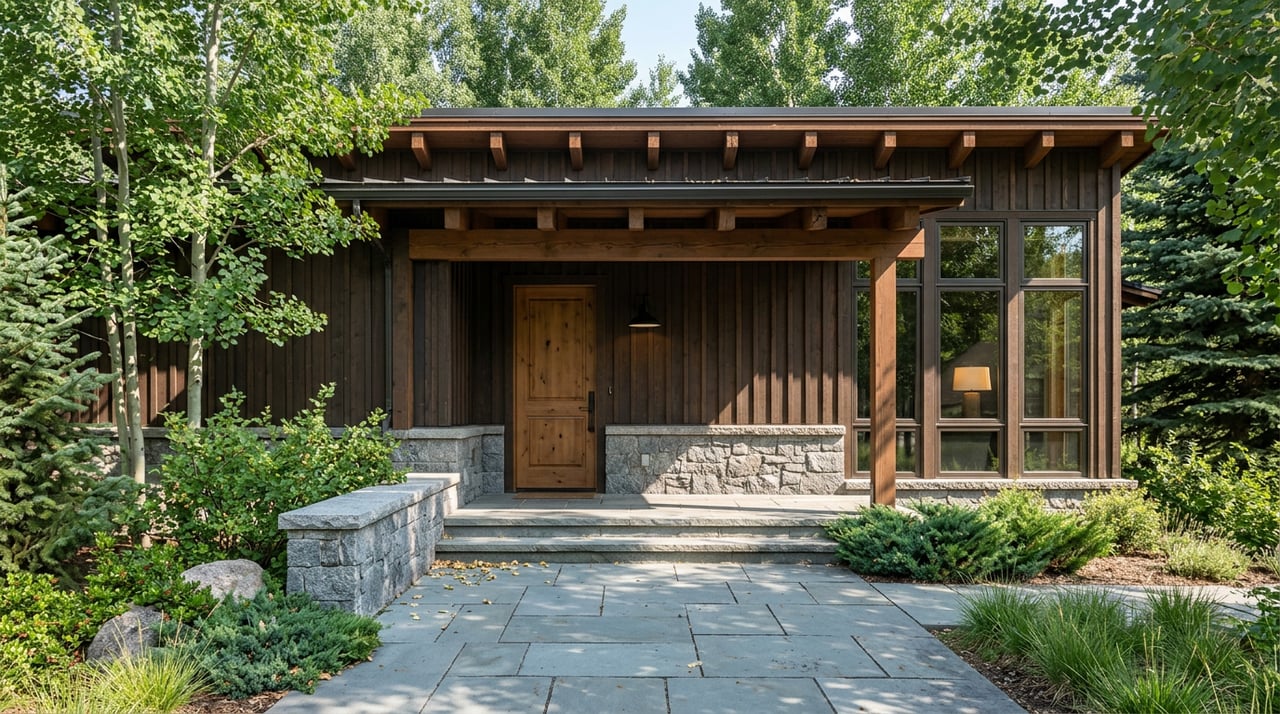
Sized correctly, overhangs admit low winter sun and block high summer sun. They also influence how and where snow accumulates. Overhangs that keep snow off large glass walls reduce water against frames, while poorly planned overhangs can dump snow onto decks or mechanical equipment. Calculate depth from sun angles for this latitude, and align overhangs with your snow-shedding plan on the ground.
Thermal mass that smooths swings
Interior stone or concrete floors can absorb daytime solar gains and release that warmth as temperatures drop, which helps with Mountain Village’s big daily swings. Place mass where sun actually lands and coordinate with glazing so you are storing useful heat rather than overheating one spot.
Glazing performance and envelope risk
Use high-performance low-e, gas-filled glazing and thermally broken frames. For winter-oriented south windows, choose a solar heat gain coefficient that admits useful winter sun while keeping overall heat loss low. Remember that passive gains raise the risk of localized melt if your roof assembly is not airtight and well insulated. Detail the envelope so roof sheathing stays as even in temperature as possible.
Roof forms that manage snow safely
Pitch choices and tradeoffs
- Low-slope roofs tend to hold snow and require robust membrane detailing, including allowance for ponding and freeze cycles.
- Moderate slopes often retain snow in place but can start to slide under certain textures or melt conditions.
- Steep slopes shed snow more readily, which lowers roof load but creates ground-level hazards. Plan where shed snow lands and protect people and property in those zones.
Complex geometry and drift hotspots
Valleys, step-downs, dormers, parapets, and upper-to-lower roof transitions collect drifting snow. These areas see loads far above the uniform roof load. Identify them early and design structure, waterproofing, and drainage to handle concentrated weight and meltwater. Simpler roof forms usually mean fewer drift surprises.
Materials and how they shed
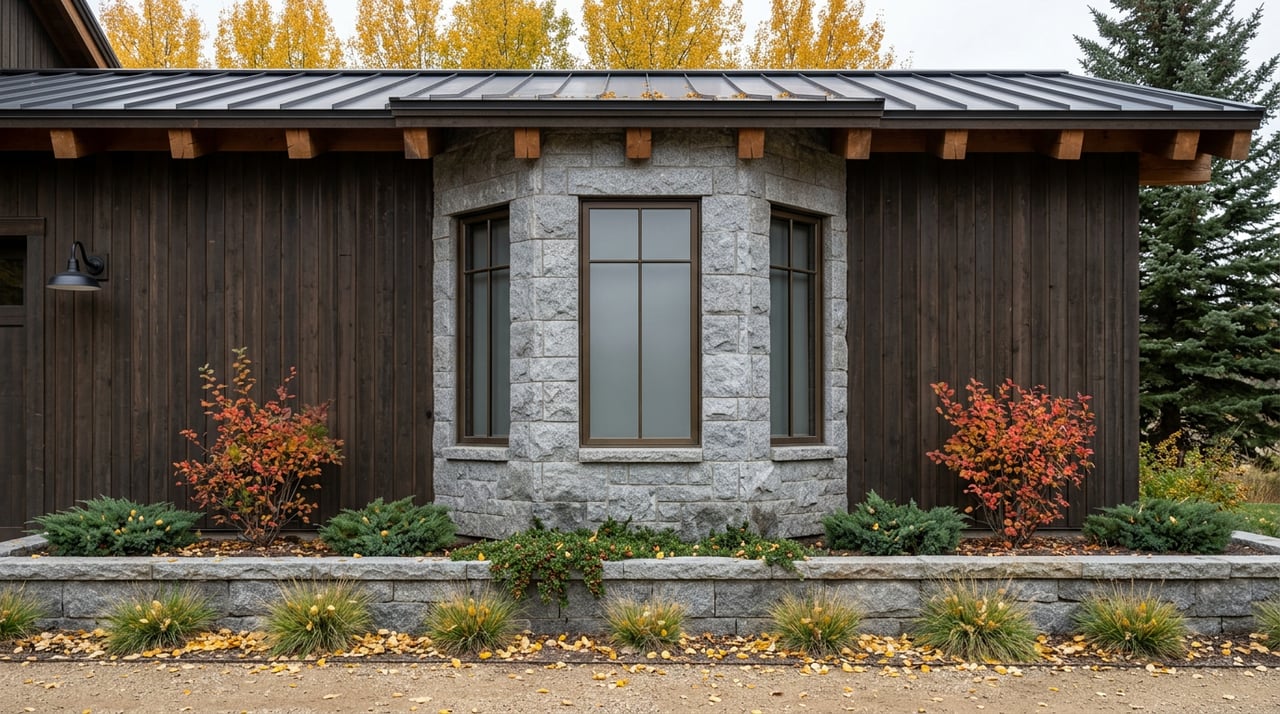
- Standing seam metal sheds snow quickly and resists freeze–thaw well. Combine it with snow guards or rails where you must hold snow in place or slow release.
- Composite shingles vary by texture. Smoother surfaces shed more readily than rougher textures.
- Membrane roofing suits low-slope conditions where you plan to retain snow, not shed it.
- Heavy products like stone or tile raise dead load and need proven freeze–thaw durability and secure attachment in snow country.
PV, skylights, and south roof glass
PV panels and roof glazing change snow behavior. Smooth panels can promote sliding, tilt can increase or reduce retention, and raised racking can allow snow to pass under or create pockets. Design racking and attachments for snow load, account for concentrated meltwater at edges, and coordinate snow guards around arrays and skylights.
Ice dams, moisture, and snow systems
Build the assembly right
Ice dams form when warm interior air melts snow on the roof, then meltwater refreezes at cold eaves. Prevention starts inside:
- Air seal the ceiling plane, including top plates, chases, and penetrations.
- Provide continuous insulation or a proper thermal break at the roof deck.
- Choose a ventilated attic or a well-detailed unvented roof, and execute that strategy consistently.
- Keep heat sources out of rakes and eaves, and insulate over recessed fixtures.
- Use self-adhering ice-and-water shield at eaves, valleys, and penetrations.
De-icing systems, used selectively
Electric heat trace or hydronic de-icing can manage critical edges, gutters, and valleys. These systems help in targeted areas but should not replace sealing and insulation. They require maintenance and energy, so use them as a complement to a sound assembly.
Plan for snow removal and safety
Provide safe access for manual clearing, and specify attachment points if professionals will remove snow. After big storms, clearing eaves and critical drainage paths helps reduce ice dams. Mark or barricade areas beneath shed zones and design walkways so slide paths avoid active pedestrian spaces.
A practical West Meadows checklist
- Confirm official ground snow load and local code details with Mountain Village and San Miguel County before final design.
- Map prevailing winds and site exposure to anticipate drifting and shaded zones.
- Align south-facing glazing with calculated overhangs for this latitude, then pair it with airtight, high-R assemblies.
- Place thermal mass where winter sun hits, not in shaded corners.
- Choose roof pitch based on your management plan: retain on low slopes, shed on steeper slopes with defined fall zones.
- Minimize level changes and valleys where possible to reduce drift buildup.
- Select roofing materials to match snow behavior goals and durability requirements.
- Design structure for drift and sliding loads at valleys, eaves, and lower roofs. Ensure continuous load paths to the foundation.
- Install ice-and-water shield and robust flashing at eaves, valleys, dormers, and skylights.
- If using PV, plan racking for snow loads, tilt for shedding, and snow guards around arrays.
- Define where shed snow lands, protect glazing and equipment, and keep walkways outside slide paths.
- Plan routine maintenance, safe access, and targeted de-icing only where needed.
Buyer’s quick-read: evaluating a West Meadows roof
If you are touring homes or planning due diligence, use this lens:
- Roof pitch and material: Does it match the site plan for shedding or retention, and are snow guards installed where needed?
- Eaves and valleys: Is there evidence of past ice dams or ponding, and are membranes and flashings robust?
- Overhangs and decks: Will shedding impact entries, driveways, or outdoor living, and are there protected paths?
- Attic or assembly: Signs of good air sealing and insulation strategy, either well-vented or a continuous insulated deck.
- Complex intersections: Are lower roofs reinforced where upper roofs shed onto them, and are drains and downspouts accessible?
- PV and skylights: Are mounts and surrounding snow controls designed for load and meltwater management?
When to bring in specialists
Engage a structural engineer familiar with ASCE 7 snow procedures and local microclimates for roof load and drift analysis. A roofing and waterproofing specialist can vet assemblies, membranes, and detailing around valleys and penetrations. Coordinate early with the local building department on adopted codes and with your insurer if the design relies on controlled shedding or unusual systems.
The bottom line for West Meadows
With smart planning, you can enjoy expansive glass, warm winter sun, and a roof that performs in heavy snow. Start with accurate local snow loads, then align passive solar choices with roof pitch, materials, and a clear snow-management plan. The result is comfort, safety, and long-term durability suited to Mountain Village living.
Ready to evaluate a specific West Meadows home or to plan a design that matches the site? Connect with Matthew Hintermeister to discuss your goals and Request a Private Consultation.
FAQs
What is unique about West Meadows winter conditions?
- High elevation brings dense snow, strong sun, and big daily temperature swings, which drive heavy roof loads, rapid melt and refreeze, and potential ice dams.
How should I size overhangs for passive solar in Mountain Village?
- Calculate depth from local sun angles so low winter sun enters and high summer sun is shaded, then coordinate with snow behavior to keep shedding off entries and decks.
What roof pitch works best for snow in West Meadows?
- Steeper roofs shed snow faster, which lowers roof load but creates ground hazards; lower slopes retain snow and need robust membranes. Choose based on your site and safety plan.
How do I prevent ice dams on a mountain roof?
- Focus on air sealing and continuous insulation so the roof deck stays even in temperature, then add ice-and-water shield and use targeted de-icing only where needed.
Do metal roofs solve snow problems by themselves?
- Metal sheds snow well and is durable, but you must control release with snow guards and define safe fall zones to protect people, glazing, and equipment.
What should I consider if a home has solar panels in snow country?
- Design for panel snow loads, tilt and racking effects on sliding, and concentrated meltwater at edges, and add snow guards or clear fall paths around arrays.