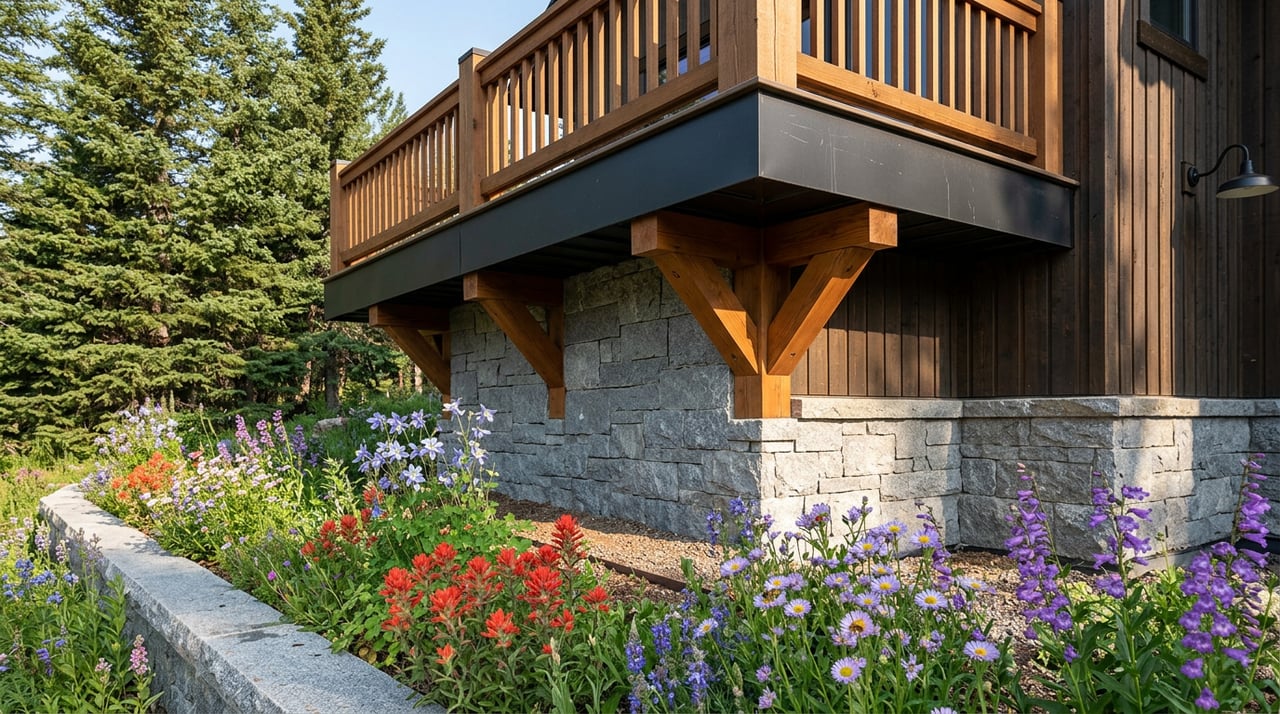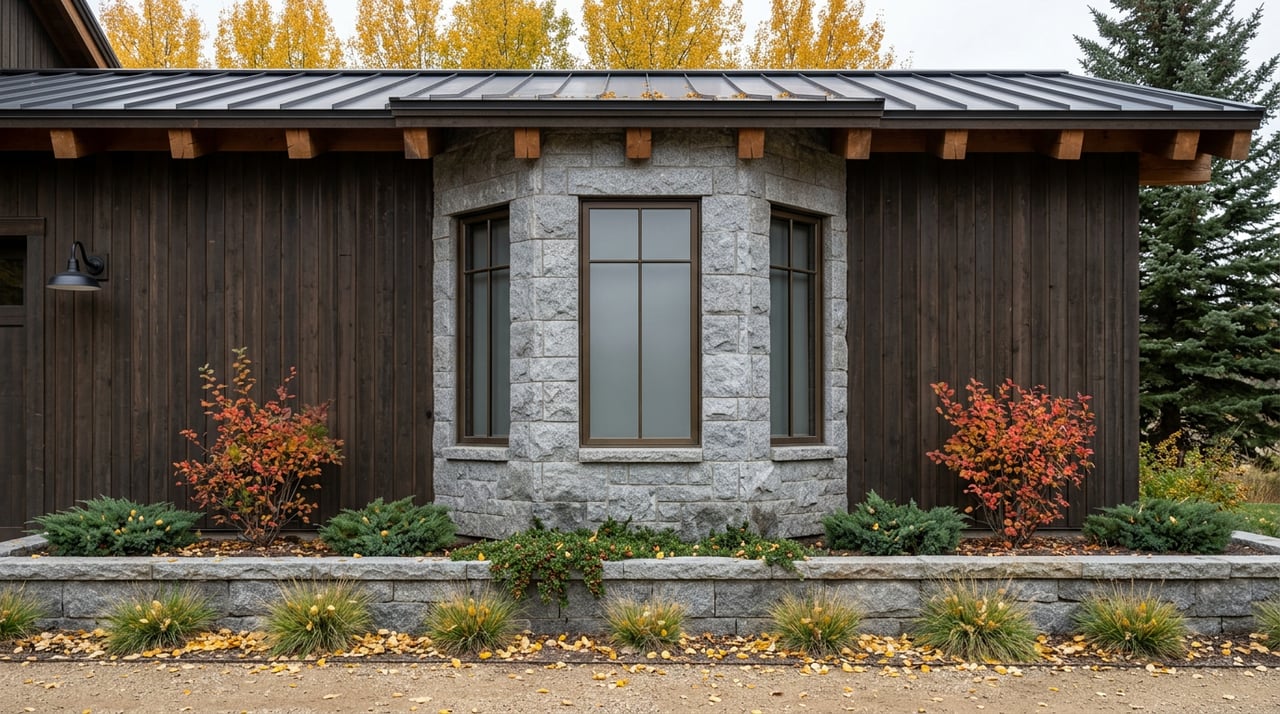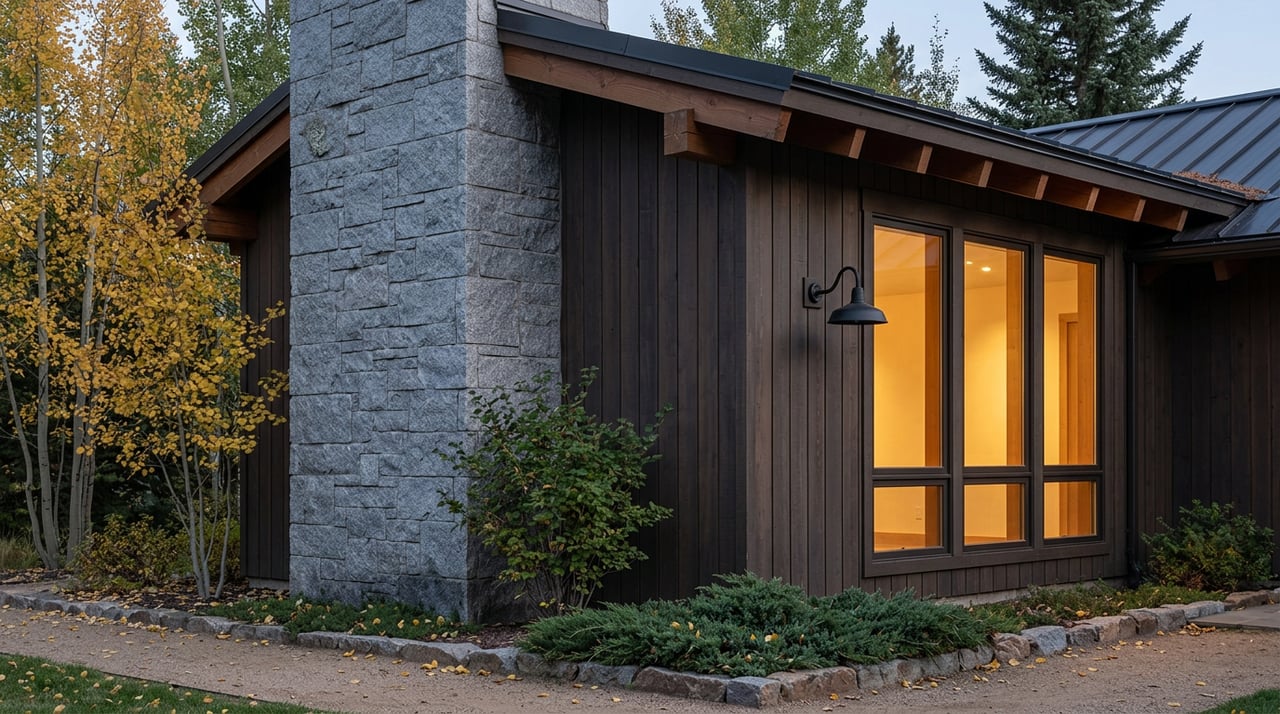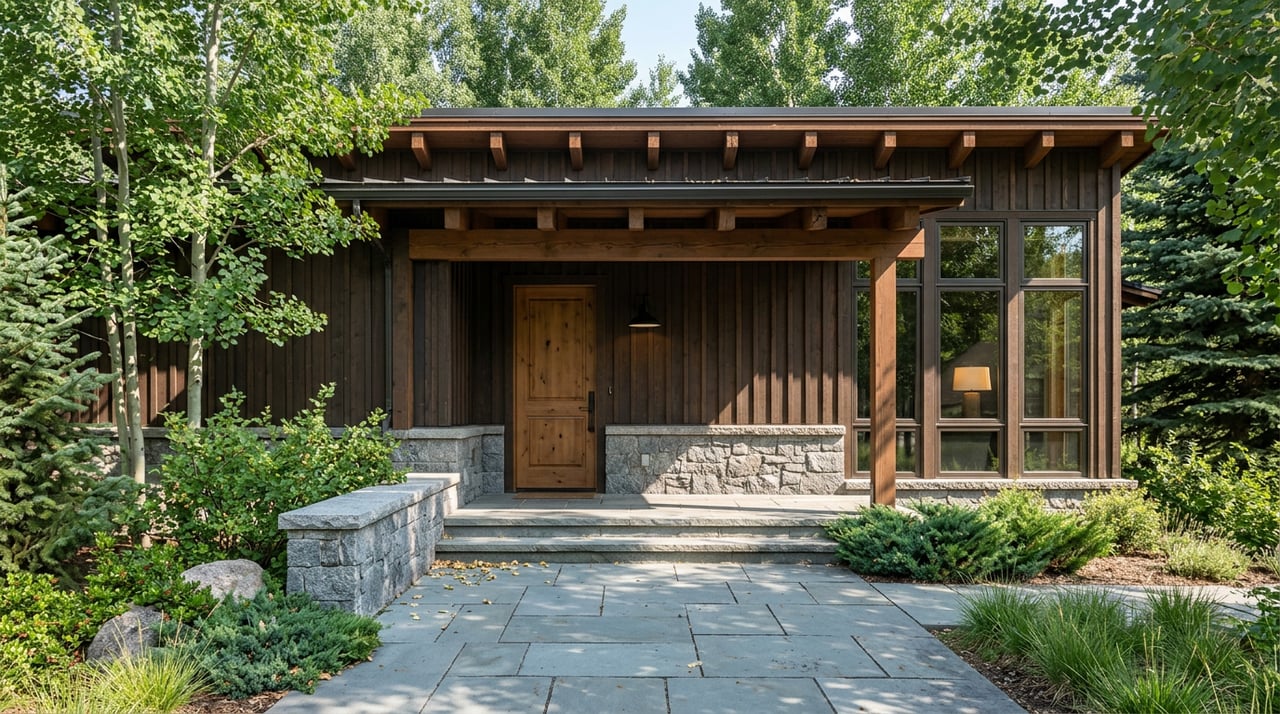
If you are preparing to sell a luxury home in Telluride, the pre-listing phase can shape almost everything that follows. In a market where 2024 median sales prices reached $3.45 million in Telluride, buyers expect not just beauty, but clarity, care, and confidence. The good news is that a thoughtful strategy can help you reduce surprises, strengthen your presentation, and make your home easier to evaluate. Let’s dive in.
Why pre-listing matters in Telluride
Luxury buyers in Telluride are often comparing more than finishes and square footage. They are also paying attention to upkeep, documentation, seasonal access, and how well a property fits the mountain environment.
That matters even more in a high-value market. According to the 2025 San Miguel Regional Housing Authority housing needs assessment, based on 2018 through 2024 sales data, the 2024 median sales price was $3.45 million in Telluride, $2.755 million in Mountain Village, and $2.625 million countywide. At this price point, details that might feel minor in another market can have an outsized effect on buyer confidence.
Start with condition, not cosmetics
Before you schedule photography or think about staging, focus on the home’s core systems and overall condition. In Telluride, mountain weather and altitude tend to show wear first in practical places like roofs, gutters, windows, sealants, decks, and drainage.
Telluride sits at roughly 8,750 feet above sea level, and local climate patterns make weather exposure a real part of ownership. That is why it often makes sense to inspect and repair the parts of the home that protect the structure before spending heavily on purely visual upgrades.
Prioritize the systems buyers notice in due diligence
A luxury buyer may admire a beautiful kitchen, but they will still ask hard questions about maintenance and performance. If there are roof leaks, drainage issues, HVAC concerns, plumbing problems, moisture history, or older repairs, it is better to identify them early.
A pre-listing inspection can help you do exactly that. It gives you time to decide what to repair, what to disclose, and how to present the home honestly and clearly before negotiations begin.
Focus updates on maintenance value
In Telluride, the smartest cosmetic improvements often read as care rather than reinvention. Fresh paint, repaired hardware, cleaned stone and glass, updated lighting, tightened caulking, polished fixtures, and seasonal landscape cleanup can all help a luxury property feel well-kept and intentional.
This approach usually performs better than over-improving for someone else’s taste. Buyers in the luxury segment often respond best when a home feels authentic to its setting and easy to understand.
Get documentation organized early
A strong pre-listing strategy is not just about appearance. It is also about paperwork, disclosures, and records that help buyers move forward with fewer doubts.
Colorado’s approved Seller’s Property Disclosure form must be completed to your current actual knowledge. In practice, that means gathering information before your listing goes live, not scrambling after a buyer raises questions.
Build a clean seller file
For a luxury home in Telluride, your file should be as complete as possible. Useful materials may include:
- Seller’s property disclosure
- Pre-listing inspection results
- Roof, plumbing, HVAC, or drainage repair records
- Permit history
- Maintenance logs
- Radon test or mitigation records
- Lead-based paint documents if the home was built before 1978
- Historic review approvals for applicable exterior work
- Wildfire mitigation records
When buyers can review a well-organized package, the home often feels more transparent and more professionally prepared. That can help reduce friction during inspection and objection periods.
Address Colorado disclosure items upfront
Colorado sellers have specific disclosure responsibilities, and luxury sellers benefit from handling these items early. This is one of the clearest ways to reduce avoidable negotiation stress later.
Radon deserves special attention
Radon is an important issue in Colorado real estate. State law requires residential sale paperwork to include disclosure of known radon concentrations, test history, mitigation, and the required Colorado Department of Public Health and Environment brochure for real estate transactions.
For that reason, many sellers benefit from having a recent radon test or a clear mitigation record ready before listing. It can reduce buyer anxiety, support a smoother inspection phase, and keep negotiations focused on the bigger picture.
Older homes need lead-paint documentation
If your home was built before 1978, federal lead-based paint disclosure rules apply. In Telluride, this can be especially relevant for older homes with long ownership histories and multiple rounds of improvements.
The issue is often less about cosmetics and more about documentation. Gathering prior reports, renovation records, and contractor invoices early can save time once your home is on the market.
Plan around historic district rules
Telluride’s setting is part of its value, and so is its historic character. The town is a National Historic Landmark District, and exterior changes may require review and approval.
The town notes that HARC approval is required before additions or alterations, and its planning guidance says to submit a HARC application for all exterior changes, including doors and windows. If your pre-listing plan includes exterior work, confirm whether approvals are needed before you start.
Avoid updates that create review friction
In historic areas, exterior changes that feel too aggressive or out of character may create delays or extra steps. That is one reason maintenance-minded improvements often make more sense than dramatic exterior redesigns.
The goal is to present the property at its best while respecting local review requirements and the home’s architectural context. That protects both your timeline and your marketing momentum.
Prepare for wildfire questions
Wildfire readiness is another part of luxury pre-listing in Telluride and the surrounding county. Buyers may ask about vegetation management, defensible space, and any mitigation work already completed.
San Miguel County has an official wildfire mitigation program, and local fire resources support preparedness. For sellers, this often means clearing dead fuels, trimming vegetation near the home, and keeping records of mitigation work that has already been done.
Show buyers the home has been cared for
Wildfire mitigation can support peace of mind in the same way a roof repair receipt or a maintenance log can. It helps show that the property has been actively managed, not simply enjoyed.
That message matters in the luxury market. Buyers want a home that feels beautiful, but also responsibly maintained for mountain living.
Time your launch with the season
In Telluride, launch timing is part of strategy. Seasonal access, scenery, and visitor flow can affect how efficiently buyers experience a property.
Visit Telluride publishes separate summer and winter visitor guides, and the town’s Galloping Goose transit runs more frequently during peak summer and winter seasons. For sellers, that means photography, showings, and listing exposure often work best when the area is most active and visually compelling.
Choose the season that fits the property
Some homes shine in snow, with warm interior light, ski access, and dramatic mountain contrast. Others show best in summer, when decks, views, gardens, and surrounding trails feel more open and inviting.
The right answer depends on the property. A strong pre-listing strategy looks at your home’s strengths, any repair timeline, and local seasonal patterns before setting a launch date.
Factor in exterior project timing
If you are planning landscape cleanup or exterior refresh work, remember that timing can affect what is practical. The Town of Telluride has implemented outdoor watering restrictions during drought conditions and reviews landscape variances case by case.
That means water-heavy yard projects or irrigation changes may involve more than design decisions. They can also affect schedule, approvals, and how quickly the home is truly market-ready.
Sequence the marketing the right way
One of the biggest mistakes luxury sellers can make is marketing a home before the prep work is complete. In a market like Telluride, it is usually better to launch once the property looks polished, the records are organized, and any needed approvals are in place.
That sequencing helps your listing tell a stronger story. Instead of asking buyers to overlook unresolved items, you are showing them a home that feels deliberate, cared for, and easier to purchase with confidence.
A smart pre-listing sequence
A practical order often looks like this:
- Assess property condition and likely buyer questions
- Complete a pre-listing inspection
- Review needed repairs and disclosures
- Gather permits, maintenance records, and compliance documents
- Confirm any required historic review approvals
- Tackle light cosmetic and landscape improvements
- Prepare radon, lead-paint, and wildfire documentation as applicable
- Schedule staging, photography, and marketing after the work is done
This kind of process can support a more controlled launch. It also helps you avoid the costly pattern of listing first and explaining later.
The luxury advantage is confidence
In Telluride, luxury selling is rarely about making a home look flashy. More often, it is about creating confidence through presentation, timing, and documentation.
When your home is properly prepared, buyers can focus on what makes it special. They can take in the architecture, views, setting, and lifestyle without getting distracted by preventable questions.
That is where a strong pre-listing strategy pays off. It protects your time, supports your negotiating position, and helps your property enter the market with the clarity a luxury sale deserves.
If you are considering a sale in Telluride or Mountain Village, working with a local, high-touch advisor can make the preparation process more focused and less stressful. For a discreet, tailored plan built around your property, connect with Matthew Hintermeister.
FAQs
What should you do before listing a luxury home in Telluride?
- Start with property condition, a pre-listing inspection, seller disclosures, and organized documentation before moving on to staging, photography, and launch.
Why is a pre-listing inspection helpful for Telluride sellers?
- A pre-listing inspection helps you uncover issues early, decide what to repair, and reduce the chance that negotiations stall over avoidable surprises.
Do Telluride sellers need to disclose radon information?
- Yes. Colorado residential sale paperwork requires disclosure of known radon concentrations, test history, mitigation, and the required state radon transaction materials.
Do exterior changes in Telluride require approval?
- In many cases, yes. Telluride’s planning and historic-preservation process states that HARC approval is required before additions or alterations, including exterior changes such as doors and windows.
When is the best time to list a luxury home in Telluride?
- It depends on the property, but peak summer and winter often offer stronger access, scenery, visitor activity, and transit frequency for showings and exposure.