Thinking about selling a home in Telluride’s Historic Core? The right pre-listing upgrades can lift your sale price, but inside the Historic Preservation Overlay District, even small exterior changes are reviewed for historic compatibility. You want a smooth timeline and no surprises. In this guide, you’ll learn the approvals you may need, the design rules HARC applies, and the practical steps to keep your listing on track. Let’s dive in.
What the historic rules mean for you
If your property sits within the Historic Preservation Overlay District, most exterior work will require a Certificate of Appropriateness from the Town’s Historic & Architectural Review Commission before a building permit is issued. That includes new construction, additions, demolition, relocation, and many signs. Start every project by confirming whether it needs HARC review and what level applies. You can find the classification rules and procedures in the Town’s Land Use Code Article 7 on historic and architectural review. Review the Town’s Certificate of Appropriateness process in the Land Use Code for details on thresholds and steps.
- Read the Land Use Code Article 7 overview of historic review: Town of Telluride Land Use Code Article 7
Know your property’s status
Your property’s rating in the Telluride Historic & Architectural Survey affects how HARC evaluates any change. Contributing or supporting primary structures are treated with greater sensitivity than noncontributing ones, especially for additions, relocation, or demolition. Before you plan any work, pull your THAS entry and note your site number and rating.
- Check the 2013 THAS update to confirm your rating: Telluride Historic & Architectural Survey
HARC also considers whether the site is inside the Telluride Historic Landmark District subarea, where review can be stricter. If you are unsure, the Planning and Historic Preservation staff can help you verify boundaries and status.
Projects that trigger review
The Land Use Code classifies work by scale. The category determines who reviews it and how long it may take.
- Insubstantial activities. Examples include many signs, fences and landscape plans, in-kind repair that does not change the exterior appearance, and some mechanical items if they do not affect character-defining features. This is usually the fastest track.
- Minor activities. Small additions or alterations and some small new construction. These often go to the HARC Chair for review.
- Small-scale activities. Larger additions or new construction within specific size ranges. In many residential contexts, this can include projects roughly in the 950 to 2,500 square foot range or additions that increase floor area more than 25 percent and pass certain totals. These typically require full HARC final review.
- Large-scale activities. Demolition or relocation of rated primary structures and very large new construction. Commercial projects over certain thresholds, such as above 5,000 square feet, require preliminary and final review and more extensive documentation.
The practical takeaway: simple repairs or discreet, in-kind work often move fastest. Additions that cross numeric thresholds can push you into a longer, multi-meeting process. Confirm your classification early using the Land Use Code.
- See classification thresholds and procedures: Town of Telluride Land Use Code Article 7
Key design rules HARC applies
The Town’s Design Guidelines are the playbook HARC uses. They ask whether a proposal respects historic resources, stays in scale, and fits the streetscape without mimicking history. Use these highlights to shape a seller-side plan.
- Explore the Town’s design standards and illustrations: Design Guidelines & Standards for Building in Telluride
Mass, scale and siting
Additions should be subordinate to the historic primary structure. Set larger additions back from street-facing facades and use connections or changes in plane so the new work reads as later. Avoid obscuring character-defining features or increasing the perceived street scale.
Roofs and dormers
Simple gable, hip, and shed roof forms align with local character. Keep dormers limited and subordinate, set below the main ridge. Where feasible, replace historic roof materials in kind. Roof additions that change the town silhouette are discouraged.
Windows and doors
Preserve original openings and proportions. If prior changes altered fenestration, consider restoring historic rhythms when feasible. Avoid replacement windows that change muntin patterns or rely on snap-in grids. On Main Street commercial buildings, maintain the distinct ground-floor storefront pattern and the clear separation from upper floors.
Materials and finishes
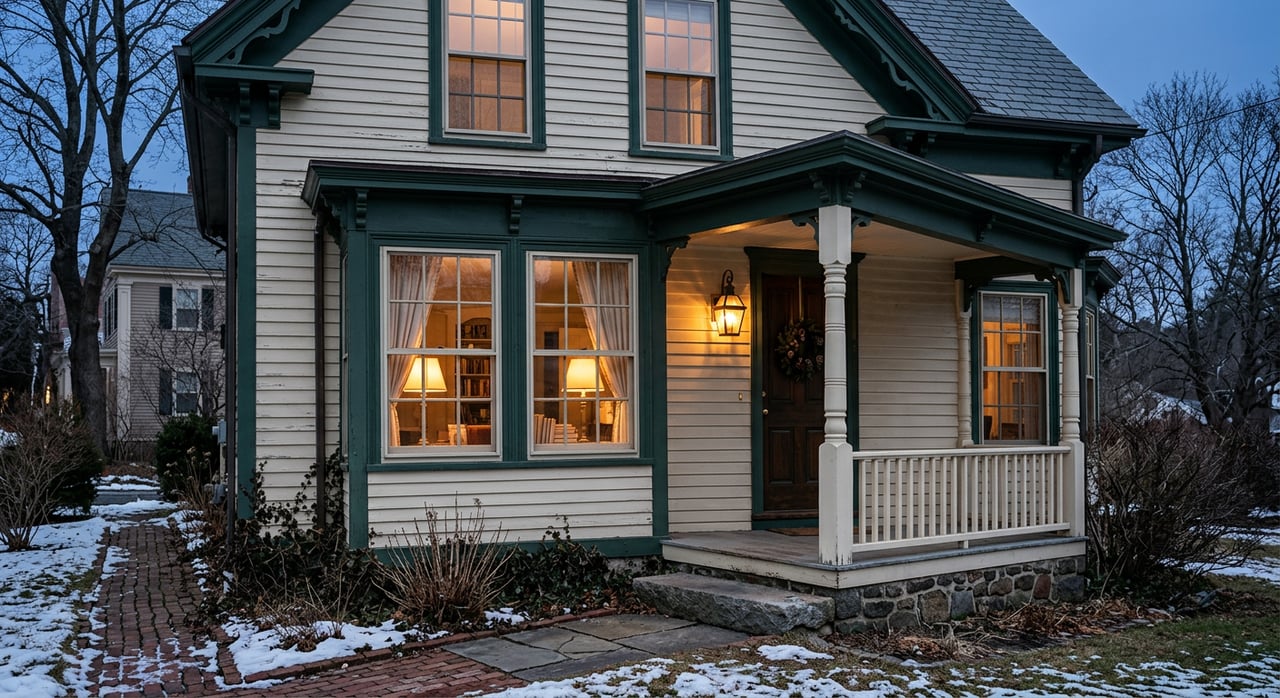
A limited, traditional palette performs best: wood clapboard, painted finishes, stone and brick where historically appropriate. Repair original materials rather than replacing wholesale when possible. Match scale, texture and finish so new work reads as compatible.
Porches, decks and site coverage
Front porches are often character-defining. Plan to preserve and repair them. New decks and porch projections are reviewed for visibility and site coverage, so confirm coverage limits and plan screening and detailing with care.
Paint and color
Historic Telluride favors a muted palette. HARC generally does not review specific color choices, but it may look at how color is composed on a building. Repainting in historically compatible schemes is usually low risk.
Mechanical equipment and solar
Place condensers, vents, and panels where they do not impact character-defining facades or rooflines. Many mechanical or renewable upgrades can be categorized as insubstantial if they are unobtrusive. Coordinate early with staff if you plan energy improvements.
Timeline, process and what to expect
Your steps will vary by project type, but most sellers follow a similar path.
- Confirm zoning, HPOD or THLD boundaries, and your THAS rating.
- Schedule a pre-application meeting with Planning and Historic Preservation staff to confirm classification and submittal needs.
- Prepare application documents. Typical packets include plans and elevations, site and landscape plans, materials lists, and an impact statement. Requirements scale up with project size.
- Submit through the Town’s online portal. Staff will route referrals, prepare reports as needed, and schedule you for the HARC Chair or full HARC.
- Attend hearings. Approvals may include conditions. Once signed, the Certificate of Appropriateness is sent to the Building Official so permits can be issued.
- Get application checklists, submittal portal and staff contacts: HARC and Planning Applications and Forms
Timing depends on classification. Insubstantial or minor items can often be handled quickly. Small-scale and large-scale reviews require public notice and sometimes both preliminary and final hearings, which can take multiple meetings and months, especially if revisions are needed. If you want to complete work before listing, build in extra time.
- Review timing and review paths in the Land Use Code: Town of Telluride Land Use Code Article 7
Approvals, expiration and extensions
A Certificate of Appropriateness for small-scale or large-scale work generally expires three years after the effective date unless extended. Under the Land Use Code, HARC can grant extensions for up to three additional years if certain conditions are met. Many approvals also include conditions that must be satisfied within 60 days or the approval becomes void. If you inherit a prior approval, verify expiration dates and file for an extension early if needed.
- See expiration and extension rules in Article 7: Town of Telluride Land Use Code Article 7
Financial incentives to consider
Some projects may qualify for tax credits, which can help offset qualified rehabilitation costs when work meets specific standards.
- Federal Historic Rehabilitation Tax Credit. Income-producing properties may qualify for a 20 percent federal credit if the work is a certified rehabilitation that meets the Secretary of the Interior’s Standards. Owner-occupied homes do not qualify unless converted to income-producing use. Learn about treatment standards here: Secretary of the Interior’s Standards overview.
- Colorado Historic Preservation Tax Credit. The state offers separate residential and commercial credits administered by OEDIT and History Colorado. Program caps, pools, and timing rules matter, and pre-application steps can affect eligibility. Explore the program here: Colorado historic preservation tax credit.
Do not rely on tax credits for last-minute cosmetic fixes before listing. Most credits require early coordination and documentation and often favor repair and rehabilitation over replacement.
Pre-listing checklist for sellers
Use this quick list to plan upgrades and avoid delays.
- Pull your THAS entry and any prior Certificates of Appropriateness or permits. If past work was not documented, plan for potential restoration conditions. Review the survey here: Telluride Historic & Architectural Survey.
- If you plan exterior changes before listing, schedule a pre-application meeting with Town staff and confirm your work classification under Article 7. See the Land Use Code here: Town of Telluride Land Use Code Article 7.
- For minor fixes, choose in-kind repairs to preserve windows, porches, and roof forms. Use the Town’s guidelines to select materials: Design Guidelines & Standards.
- If you are adding square footage, check whether your plan crosses 10 percent or 25 percent increase thresholds or falls into the 950, 2,500, or 5,000 square foot triggers that change the review track. Confirm these early in the Land Use Code.
- Prepare complete submittals before you apply. Find the submittal checklist and portal here: HARC and Planning Applications and Forms.
Selling in the Historic Core rewards good planning. When you align your upgrades with the Town’s design standards, you protect historic character and reduce review risk, which helps you launch your listing with confidence. If you would like a second set of eyes on your timeline, scope, and market positioning, connect with Matthew Hintermeister for a private, local perspective.
FAQs
Do I need approval to repaint my Telluride historic home?
- HARC generally does not review specific color choices, though it may consider overall composition. Repainting in a historically compatible palette is typically low risk.
Can I replace original windows with modern units for efficiency?
- Replacing historic windows with visually incompatible units is discouraged. HARC favors repair, restoration, or wood windows that match historic proportions. Consider interior upgrades or compatible storm windows.
Will a small rear deck trigger HARC review in the Historic Core?
- It depends on visibility, site coverage, and whether character-defining features are affected. Many decks are insubstantial or minor, but highly visible or coverage-increasing designs need review.
How long does HARC approval usually take before I list?
- Insubstantial or minor items may be processed quickly. Small-scale and large-scale proposals often require multiple meetings and months, especially with public notice and revisions. Build in extra time.
What happens if a prior Certificate of Appropriateness is about to expire?
- Most small-scale and large-scale CAs expire after three years unless extended. Apply early for an extension and complete any conditions within required timelines to keep approvals valid.