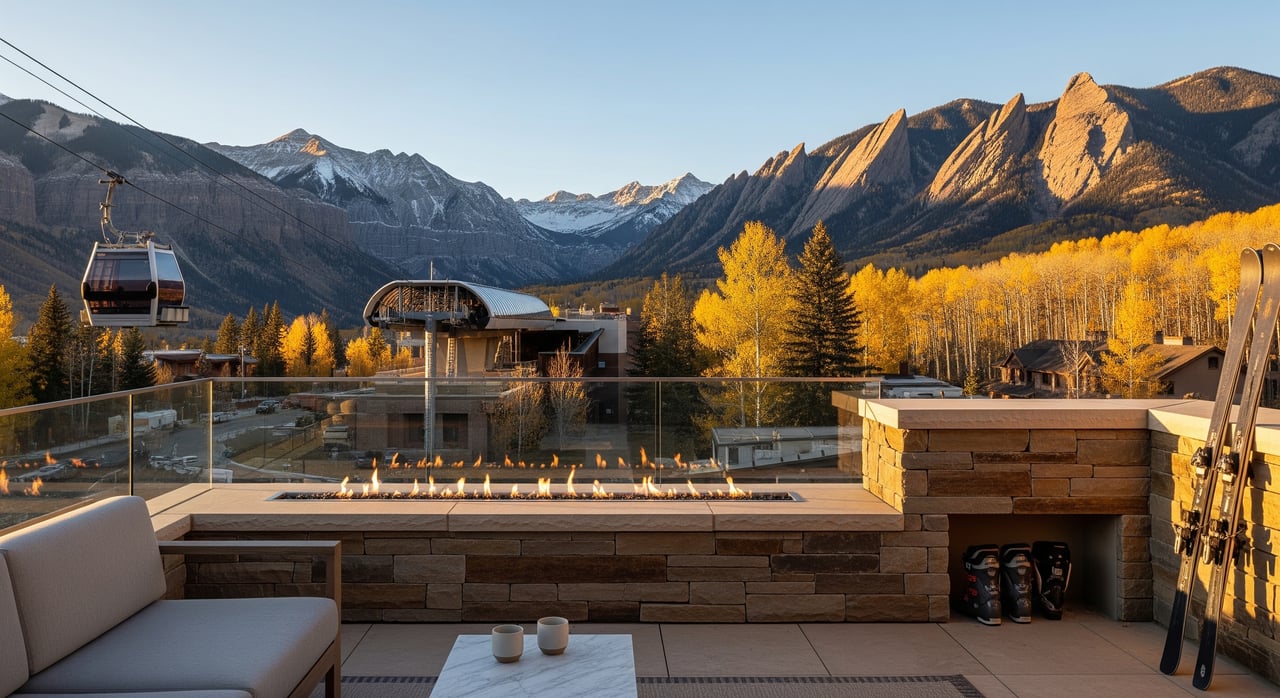
Trying to choose between living steps from Lift 7 or beside the gondola base in Telluride? You are not alone. Both spots offer rare in-town convenience, yet the daily experience can feel very different. In this guide, you will compare walkability, ski access, noise patterns, dining, transit, and ownership details so you can decide what truly fits your lifestyle. Let’s dive in.
Quick fit guide
If you lean gondola base
- You want the densest downtown walkability to restaurants, coffee, groceries, arts, and events.
- You plan to use the free, year-round gondola for daily trips to Mountain Village.
- You enjoy a lively, civic vibe with more evening activity.
If you lean Lift 7
- You prioritize quick, direct skier loading for first tracks and fast laps.
- You prefer calmer evenings away from the busiest nightlife blocks.
- You like a slope-oriented lifestyle with ski services nearby.
If you want a hybrid
- You want a short walk to both a lift and the gondola, and you are willing to trade the absolute closest access for balance.
- You value quieter side streets but still want quick access to downtown.
- You want flexibility for both winter and summer use without driving.
Walkability and daily convenience
Downtown Telluride is compact and very walkable. Living near the gondola base usually places you closest to the town’s highest concentration of shops, restaurants, groceries, and services. If you want to run most errands on foot and step out for dinner without planning ahead, the gondola area is tough to beat.
Lift 7 properties often market effortless walk-to-lift access. That said, your real-world walk time depends on more than distance. Vertical grade, stairs, and winter snow or ice maintenance can add minutes and effort. When touring, test door-to-lift and door-to-gondola routes at night and in winter conditions to confirm they feel workable for you.
Ski access and winter usability
The gondola is a free, year-round public transit link between Telluride and Mountain Village. It is ideal for moving between town and the resort base areas without a car. Skiers can use the gondola to reach terrain, but depending on where you want to ski, you may transfer to other chairlifts to start your day.
The Lift 7 area typically offers faster, more direct uphill access because you load onto a resort lift close by. For dedicated skiers who value first chair and quick laps, that proximity is a major perk. Keep in mind that lift and gondola operations vary by season and maintenance schedules. Always verify current operating hours and trail maps before you buy.
Noise and activity patterns
Near the gondola base, you can expect steady pedestrian flow tied to operating hours, plus activity from events and nightlife. Gondola cabins create intermittent sound and visual movement. Depending on building orientation and your distance from the terminal, you may notice more evening energy.
Lift 7 areas tend to be busiest in the morning and afternoon with skier loading and return traffic. Evenings can be calmer because there are fewer late-night venues next door. Noise exposure depends on building design, insulation, bedroom placement, and whether your windows face a lift, street, or interior courtyard. Tour at different times of day to understand the rhythm.
Dining, retail, and community feel
If you want the highest-density dining, coffee, grocery, and cultural access, the gondola base in downtown Telluride puts you closest to the action. Hours tend to run later and there is more street-level activity. You will feel a vibrant, urban village energy.
Lift 7 zones sit nearer to slope services and resort-oriented offerings, while still keeping you within reach of Telluride’s historic downtown character. If you like a quieter base feel with quick options for ski tuning or rentals, this can be appealing. Expect seasonal hour changes, so confirm operating times for your favorite spots.
Transit, parking, and vehicle needs
The gondola significantly reduces the need for a car when you move between town and Mountain Village. It is free and runs year-round, which is a major convenience for skiing, dining, and commuting. For trips outside the valley or to the airport, you will likely still want a vehicle or shuttle. Parking around downtown and the terminals can be limited at peaks, so review local permit programs and posted rules.
At Lift 7, parking varies widely by building and HOA. Some residences include deeded stalls or garages, while others rely on municipal lots. In winter, steep driveways and snow-plow schedules can affect your routine. Confirm assigned stalls, guest parking rules, and any winter street parking restrictions.
Ownership, rentals, and carrying costs
Proximity to lifts and gondola often commands premiums in Telluride, but those micro-premiums vary by property type, views, and amenities. Some buildings are optimized for nightly rentals while others restrict them. Short-term rental rules depend on both the HOA and municipal regulations, so verify current policies before you make an offer.
Carry costs include San Miguel County property taxes, special assessments, and homeowner insurance. In mountain environments, winter-related hazards can influence premiums. Review HOA budgets and reserve studies to assess maintenance obligations such as roof snow management and exterior stairs.
Seasonal differences to plan around
In summer, the gondola is popular for hiking and biking access, which keeps the area lively and convenient for outdoor adventures without driving. Lift-adjacent pockets may feel quieter, depending on summer programming and your exact block.
In winter, both corridors see heavier pedestrian counts. Some owners embrace the bustle for the convenience of true in-town living. Others prefer a quieter block a few minutes away from the busiest loading zones. Think about your preferred balance of energy versus privacy across seasons.
Lift 7 vs gondola base at a glance
Gondola base highlights
- Highest downtown walkability to dining, groceries, and culture.
- Free, year-round gondola access reduces car dependence.
- More evening activity and event-driven energy.
Gondola base tradeoffs
- Peak-time crowds and limited parking options nearby.
- Intermittent gondola sound and visual movement.
- Ski access can be indirect if you prefer chairlift loading to start your day.
Lift 7 highlights
- Direct skier loading for quick laps and first tracks.
- Calmer evenings in many buildings compared with downtown blocks.
- Close to slope services and resort conveniences.
Lift 7 tradeoffs
- Fewer late-night options right outside your door.
- Parking and winter driveway conditions vary by property.
- You may walk farther for some downtown errands.
Touring checklist
Test the walk
- Time the door-to-lift and door-to-gondola routes at your normal pace.
- Try the routes at night and during winter conditions to gauge lighting, traction, and stairs.
- Note elevation changes and whether sidewalks are consistently maintained.
Ask before you offer
- What are the current gondola and lift operating hours for each season, and are any closures planned?
- Are there deeded parking stalls, guest parking, or municipal permits required in winter?
- What are the HOA rules on short-term rentals, exterior maintenance, and special assessments?
- How is noise inside bedrooms during early morning or evening peaks, and what is the window orientation?
- What are typical utility costs and insurance considerations for winter hazards and snow management?
What tends to support long-term value
In Telluride, buyers consistently value true walk-to-lift access and central downtown living. That said, resale strength often comes from a specific mix of features rather than a single factor. Views, sun exposure, functional floor plans, storage for gear, and secure parking all matter. Rental flexibility can influence demand, but it depends on the building and current regulations.
Before you commit, review recent comparable sales for properties within about a 0 to 5 minute walk of the gondola and Lift 7. Look at price per square foot, time on market, HOA health, and differences in view corridors. Small micro-location details often explain meaningful price gaps.
Next steps
- Walk both areas at your preferred times of day in both seasons if possible.
- Confirm current gondola and lift schedules with official sources and check local noise and parking rules.
- Review HOA documents and rental policies for any buildings on your shortlist.
- Pull recent comps for each micro-location and compare carrying costs.
If you want an expert to help you evaluate specific buildings, run comps, or tour both areas with a practical lens, connect with Matthew Hintermeister for local guidance tailored to your goals.
FAQs
How close are typical walks to Lift 7 or the gondola?
- Many listings near each corridor are marketed as within a 0 to 5 minute walk, but real-world times depend on grade, stairs, and winter maintenance. Always test the route yourself.
Is the gondola practical for daily commuting between town and Mountain Village?
- Yes for many residents. It is free and operates year-round, though hours vary by season and maintenance. Check current schedules to confirm it aligns with your routine.
How noticeable is noise near the gondola or Lift 7?
- Near the gondola, you may hear intermittent cabin movement and feel event-driven evening energy. Near Lift 7, expect morning and afternoon skier flow. Building orientation and insulation make a big difference.
Which area is better for short-term rental performance?
- It depends on the building and current municipal and HOA rules. Both corridors can attract demand, but you should verify rental restrictions and review recent comparable bookings and sales.
What are the parking realities in each area?
- Downtown parking near the gondola can be limited at peaks and may require permits. Lift 7 properties vary from deeded stalls to reliance on municipal lots. Review assigned stalls, guest rules, and winter restrictions.
Will I need a car if I live near the gondola base?
- The gondola reduces car dependence between town and Mountain Village. For errands outside the valley or airport travel, you may still want a vehicle or shuttle.
Are there unique maintenance or insurance considerations near lifts?
- Yes. Winter hazards, roof snow shedding, steep driveways, and exterior stairs can affect maintenance and insurance. Review HOA responsibilities and recent service records before you buy.