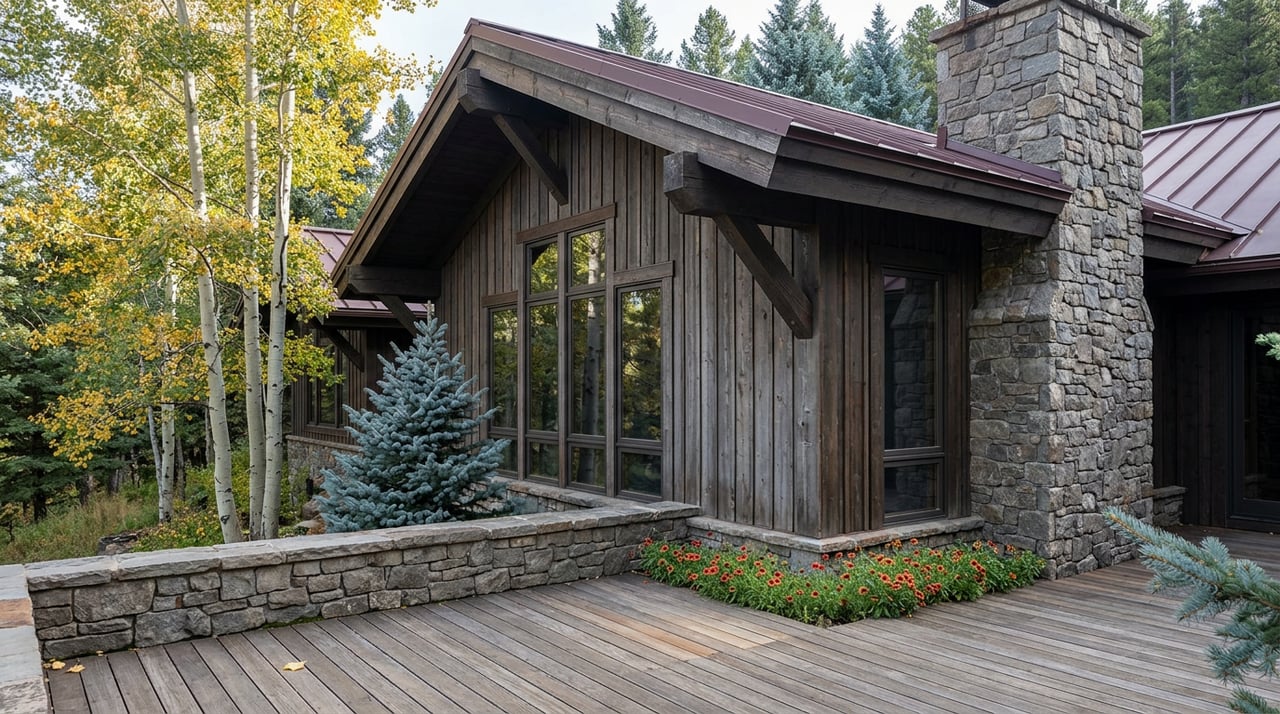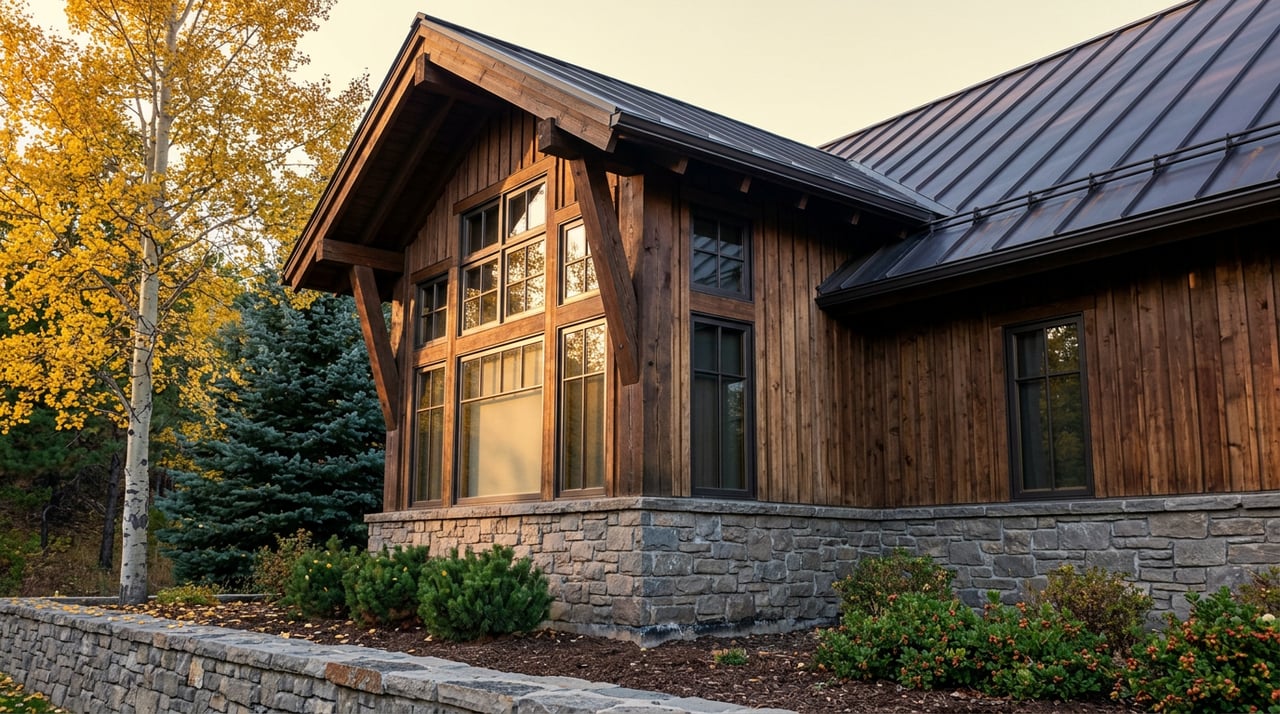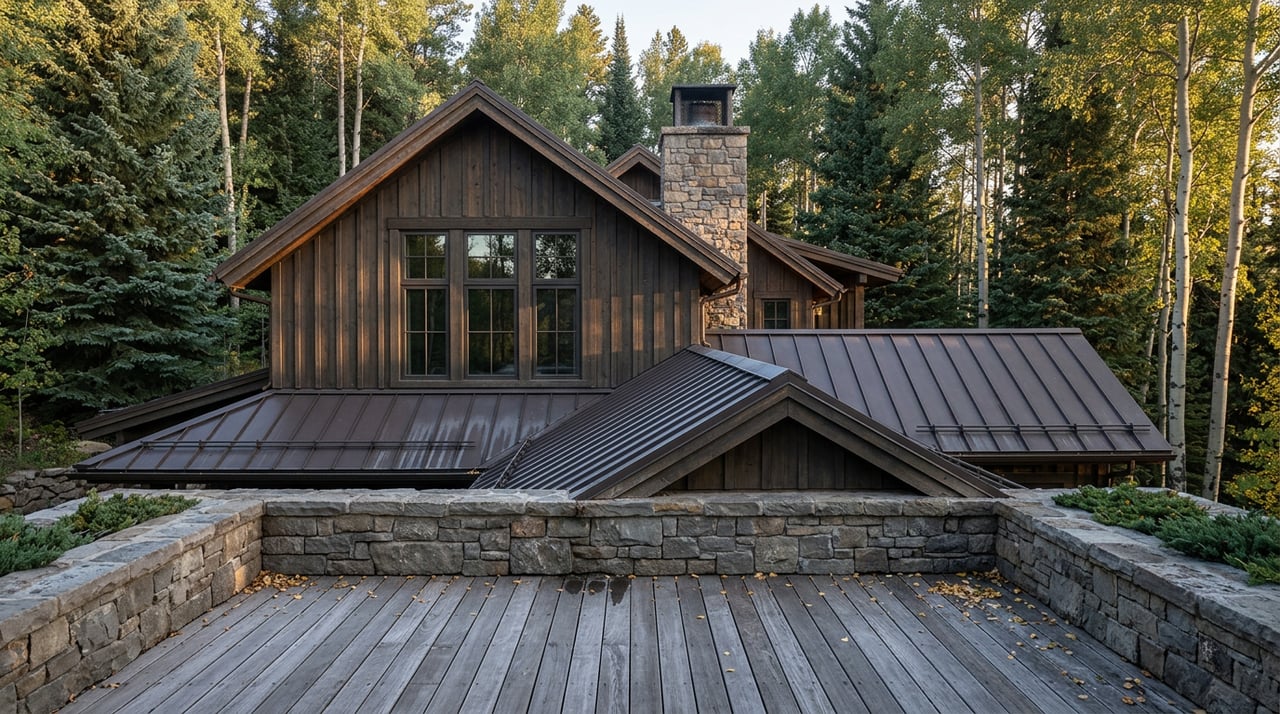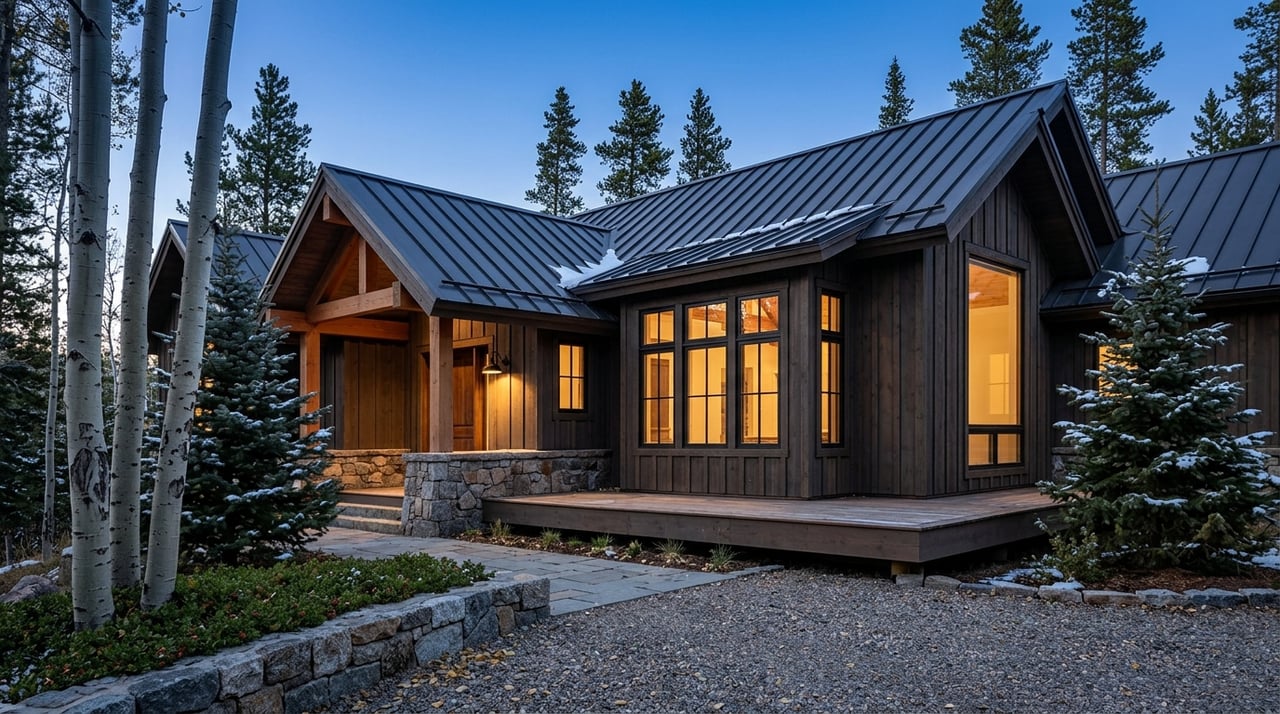
Remote work looks very different when your “commute” might be a walk to Main Street coffee or a gondola ride between two mountain towns. If you are thinking about living and working from Telluride, you are probably weighing more than scenery. You want to know how the homes, internet, transit, and daily pace actually fit real life. This guide will help you picture that rhythm more clearly and understand what kinds of properties tend to support it best. Let’s dive in.
Why Telluride Works for Remote Life
Telluride offers something many mountain markets do not: a daily routine built around a small, connected footprint. The town core is only eight blocks wide and twelve blocks long, and Mountain Village sits above the valley floor with a direct link between the two via the free gondola.
That scale matters if you work from home. Instead of planning your day around driving, parking, and long errands, you can often move through work blocks, coffee runs, lunch, and outdoor breaks with much less friction. In town, the free bus loop adds another layer of convenience for quick stops.
For many buyers, that is the real lifestyle advantage. Telluride is not just beautiful. It is unusually functional for car-light living in a mountain setting.
Choosing Between Telluride and Mountain Village
Downtown Telluride Feel
Downtown Telluride has a historic, Main Street-centered character. The area is known for its National Historic Landmark District, Victorian-era homes, clapboard storefronts, galleries, and restaurants, with many everyday destinations within walking distance once you are in town.
If you picture remote work with easy access to coffee, lunch, errands, and a walkable setting, downtown may feel like the right fit. The housing experience here is often shaped by character, preservation, and proximity rather than sheer scale.
Because the historic core is protected, buyers should also expect more emphasis on architectural character and preservation. That can be a major draw if you want a home with a true sense of place.
Mountain Village Rhythm
Mountain Village offers a different kind of convenience. It has a more resort-forward setting at about 9,500 feet, with direct access to the Telluride Ski Resort and national forest.
For remote workers, that often translates to a ski-first or trail-first daily rhythm. You may prefer Mountain Village if you want a more modern village feel, resort access, and a home base that leans into outdoor recreation from the front door.
In practical terms, the choice is often less about whether remote work is possible and more about which lifestyle feels more natural. Downtown Telluride tends to suit buyers seeking historic walkability, while Mountain Village tends to suit buyers seeking resort convenience and direct mountain access.
Internet Matters More Than the View
A great Telluride remote-work home needs more than a beautiful backdrop. Internet service is better than many buyers expect in a mountain town, but it is still highly specific to each address.
Clearnetworx lists Telluride among its fiber service areas and describes its residential offering as 100% fiber with unlimited data and symmetrical speeds. Mountain Village also names Clearnetworx as its fiber provider, and both Spectrum and AT&T advertise service in Telluride through address-check tools.
That said, buyers should not assume every property has the same setup. One of the smartest things you can do is verify service options for the exact home you are considering.
What to Check Before You Buy
If remote work is central to your move, your property review should include more than finishes and views. Focus on the home’s actual infrastructure.
Key questions to ask include:
- Which internet providers serve this exact address?
- Is fiber available, or is the property using another wired option?
- Does the home already have structured wiring or a strong Wi-Fi setup?
- Are there areas of the house designed to support stable video calls and daily work use?
Local support is available for home technology as well. Bivy Group is listed in the local directory as a provider for networking and Wi-Fi, structured wiring, audio systems, lighting and shades, and control and automation. That can be especially useful if you are setting up a second home to function like a true work base.
The Remote Work Day in Telluride
One of the biggest appeals of Telluride is how naturally the workday can flow. The infrastructure supports short transitions instead of long interruptions, which can make the day feel more balanced.
The free gondola connects Telluride and Mountain Village in about 13 minutes. In town, the Galloping Goose loop runs free through Telluride every 30 minutes in off-season and every 10 to 15 minutes in peak seasons, with stops that include the library, post office, town park, and gondola.
That makes it easy to stack daily tasks together. You can work for a few hours, step out for coffee, handle a quick errand, and get back home without giving up half your day.
Coffee and Morning Stops
Coffee culture is part of the routine on both sides of the gondola. On Main Street, options include The Telluride Company for pastries and caffeinated drinks, Viceroy Cafe for espresso drinks, juices, smoothies, and grab-and-go food, and The Butcher & The Baker for breakfast and lunch.
In Mountain Village, Telluride Coffee Company offers coffee, espresso, pastries, sandwiches, and breakfast items. For many remote workers, that means your morning can flex depending on where you live and how you like to start the day.
Lunch, Errands, and Après
Lunch and after-work options also support a natural daily rhythm. The Butcher & The Baker offers breakfast, lunch, takeout, and Sunday brunch, while the New Sheridan Parlor Bar shifts from espresso service in the morning to wine, cocktails, and meals later in the day.
In Mountain Village, dining options include a broad mix of coffee spots, pubs, breweries, pizza, and fine dining. The View at Mountain Lodge is positioned around casual mountain meals and après-style dining year-round.
This is part of what makes Telluride appealing for remote work. Your day can feel active and varied without becoming hectic.
Outdoor Time Is Part of the Schedule
In Telluride, outdoor access is not something you save for weekends. It can be part of the workday itself.
In winter, local activity options include skiing, snowboarding, Nordic skiing, fat biking, snowshoeing, and ice skating. In summer, the gondola supports access to hiking and biking, while the Valley Floor offers preserved open space for biking, hiking, running, skate skiing, and snowshoeing.
That seasonal flexibility shapes daily life in a meaningful way. If you value a routine where fresh air and movement fit between meetings or after your last call, Telluride is built for that pattern.
Seasonal Changes You Should Expect
Telluride’s lifestyle has strong seasonal shifts, and buyers should understand them clearly. The main winter season runs from Thanksgiving through early April, while summer and fall run from mid-May through mid-October.
The shoulder seasons are quieter, and that quieter pace comes with tradeoffs. During those periods, the gondola and many restaurants, businesses, and hotels close.
For some buyers, that is a real benefit. If you want downtime, privacy, and a slower atmosphere, shoulder season can be part of the appeal. If you expect the same level of activity and services year-round, it is important to plan around those changes.
Car-Light Living Is Real Here
Many destinations talk about walkability, but Telluride has actual systems that support it. The Galloping Goose is a free fixed-route loop, and when the gondola is closed, SMART runs a free bus bridge between Telluride, Lawson Hill, and Mountain Village.
That structure gives you options throughout the year. For many residents and second-home owners, once you arrive, a car is not necessary for daily life.
This can be a major advantage if you want a simpler routine. It also adds value to homes that sit near the gondola, the in-town loop, or walkable commercial areas.
Travel Access for Part-Time Owners
If you plan to split time between Telluride and another city, travel logistics matter. Telluride Regional Airport is about 6 miles from town and offers daily Denver service, while Montrose Regional Airport is the larger gateway about 65 miles away.
For many buyers, that makes Telluride realistic as either a second home or a full-time base. The key is being comfortable with mountain travel patterns and the rhythm of airport and shuttle planning rather than expecting suburban-style convenience.
What Kind of Home Fits Remote Work Best
The best remote-work home in Telluride depends on how you want your days to feel. Some buyers want to walk out the door and reach Main Street in minutes. Others want direct resort access and a more private, modern mountain setting.
A strong property fit often includes:
- Reliable wired internet options at the specific address
- Space for a dedicated office or quiet work zone
- Easy access to the gondola, in-town transit, or walkable amenities
- A setting that matches your preferred rhythm, whether historic downtown or resort-focused village living
- Infrastructure that supports full-time use, not just vacation stays
For buyers looking at second homes, this is especially important. A beautiful property can still underperform for day-to-day use if its connectivity, layout, or location do not support how you actually work and live.
Why Local Guidance Makes a Difference
In a market like Telluride, small details carry real weight. Internet can vary by address, the feel of daily life changes meaningfully between downtown and Mountain Village, and seasonal patterns can shape how often you use certain amenities.
That is why local guidance matters. A well-matched purchase is not only about the home itself. It is about choosing the version of Telluride that fits your work style, travel habits, and long-term goals.
If you are exploring a primary residence, a mountain second home, or a more discreet luxury search in the Telluride area, working with someone who understands the rhythm behind the real estate can help you make a more confident decision.
If you want help identifying the right fit for your remote-work lifestyle in Telluride or Mountain Village, Matthew Hintermeister offers high-touch local guidance tailored to how you want to live.
FAQs
What is daily remote work life like in Telluride?
- Daily remote work life in Telluride often revolves around short walks, gondola rides, quick coffee stops, and easy outdoor breaks rather than long commutes.
What is the difference between living in Telluride and Mountain Village?
- Telluride generally offers historic walkability and Main Street access, while Mountain Village generally offers resort convenience, ski access, and a more modern village feel.
Is internet service reliable for remote work in Telluride?
- Wired internet options can be strong, including fiber in some areas, but service is address-specific, so buyers should verify provider availability and home infrastructure for each property.
Can you live in Telluride without using a car every day?
- Yes, many residents and visitors can manage daily life without a car thanks to the free gondola, the Galloping Goose loop, and the free bus bridge during gondola closures.
What should buyers look for in a Telluride remote-work home?
- Buyers should focus on exact internet availability, home-office potential, wired infrastructure, and whether the location supports their preferred daily rhythm and access needs.
How do Telluride shoulder seasons affect remote workers?
- Shoulder seasons are quieter and can offer more privacy, but they also bring closures for the gondola and many restaurants, businesses, and hotels.