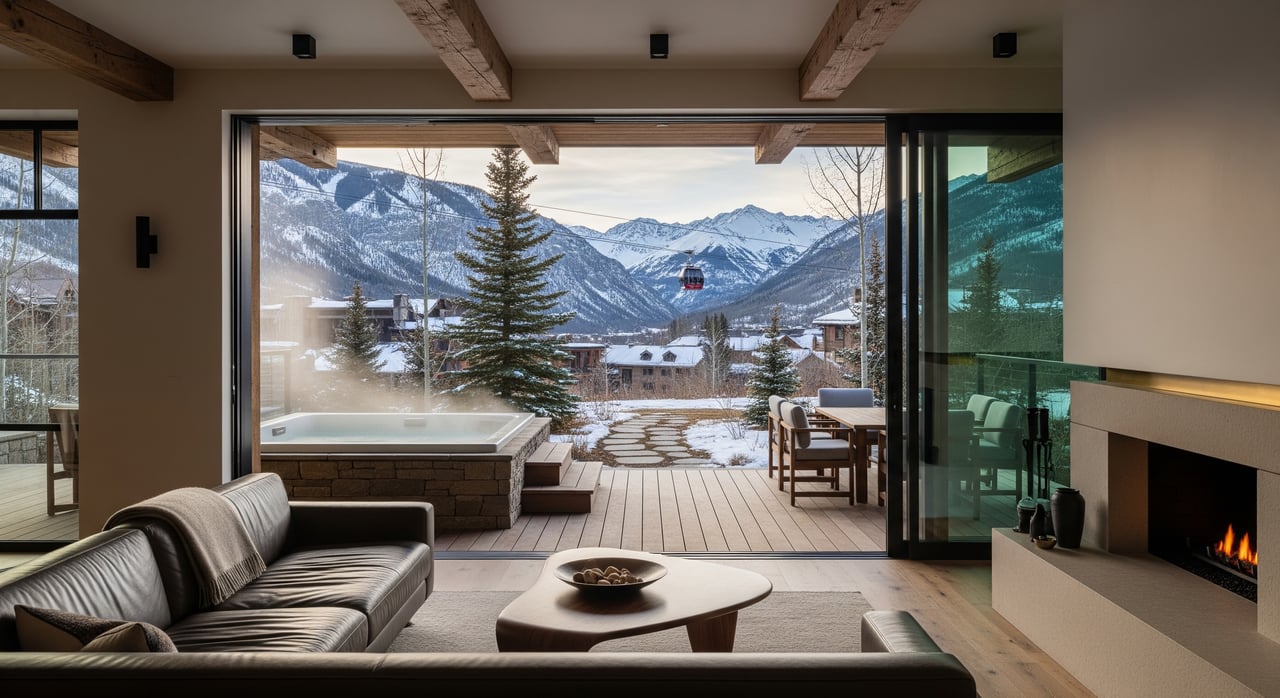
Thinking about buying a second home in Telluride? You’re not alone. Many Colorado Front Range residents and out‑of‑state buyers fall in love with the slopes, the summer trails, and the festival energy, then start picturing a place of their own. You want the mountain lifestyle without trading away your time to maintenance and logistics. In this guide, you’ll see how ownership really works in Telluride, from travel and seasons to rental rules, insurance, and a practical lock‑and‑leave plan. Let’s dive in.
Telluride second-home market at a glance
Telluride is a small, high‑elevation resort community known for premium pricing and limited inventory. Many owners are second‑home or vacation‑home buyers who value ski access, summer recreation, or festival proximity. Because supply is tight and turnover is slower than big metro markets, buying can be competitive.
You’ll find a mix of historic downtown homes, townhomes and condos, and larger properties in nearby Mountain Village. The pedestrian‑friendly core and the connected Mountain Village create a compact, livable environment for quick visits and extended stays.
Access and travel planning
Telluride sits in a dramatic box canyon in San Miguel County. Downtown Telluride and Mountain Village are linked by a free gondola, which many owners consider a major daily convenience for themselves and guests.
If you fly, Telluride Regional Airport offers limited scheduled service with weather‑dependent approaches. Many owners use Montrose Regional Airport or Durango for more options, then take a shuttle or rental car to town. If you drive from the Denver/Boulder area, expect a multi‑hour trip and plan for winter road conditions. Weather can disrupt travel at times, so it pays to build some flexibility into your arrivals and departures.
Seasonality and crowd patterns
Telluride’s demand peaks in winter and summer. Ski season drives heavier town activity from December through March. Summer brings hiking, biking, and marquee events like film, bluegrass, and jazz festivals that fill lodging and restaurants.
The spring melt and later fall weeks are quieter shoulder seasons. Some services scale back then, which can be a bonus if you prefer a lower‑key stay. Just remember that rental revenue potential also follows these seasonal rhythms if you plan to host guests.
Day‑to‑day lifestyle rhythm
Life here centers on the outdoors and the town experience. In winter, visits often revolve around early gondola rides, gear storage and tuning, and pre‑arrival checks to keep everything running smoothly. In summer, you’ll spend more time on trails and patios, with property needs focused on landscaping or irrigation if applicable.
Many owners aim for a true lock‑and‑leave setup. That means spending your time skiing, hiking, or catching a show instead of managing chores. The right systems and local vendors make short stays smoother.
Lock‑and‑leave systems that work
Smart, remote‑friendly tools help you protect the property while you’re away and save time when you arrive.
- Smart thermostat set to a safe minimum in freezing months
- Water leak sensors and an automatic water‑shutoff valve
- Smart lock or secure lockbox with time‑limited codes
- A high‑quality router and dependable internet for monitoring
- A caretaker or property manager who performs regular checks, especially after storms
If you leave the home vacant in winter for extended periods, keep central heat at a safe level rather than fully draining systems if you return regularly. Work with your manager to plan routine inspections.
Maintenance essentials in the mountains
Mountain properties need a consistent maintenance cadence.
- Snow removal: Arrange plowing and walkway shoveling with a local provider.
- Roof and gutters: Heavy snow and ice dams mean annual inspections are smart.
- HVAC and chimney: Schedule yearly furnace or boiler service and chimney sweeps if you have wood‑burning appliances.
- Propane or fuel: If applicable, monitor levels and schedule deliveries ahead of storms and peak seasons.
- Landscaping, septic, and well systems: Some homes outside municipal service require seasonal upkeep.
- Wildlife‑proofing: Use bear‑aware waste storage and seal entry points to deter rodents in shoulder seasons.
Insurance and wildfire considerations
Resort‑area second homes often carry higher insurance premiums and specialized coverage. Ask local brokers about replacement cost coverage, ordinance and law endorsements, and contents protection. Review wildfire risk and mitigation steps, including creating defensible space and documenting improvements. Many insurers now want proof of mitigation in higher‑risk zones.
If you plan to rent, confirm short‑term rental liability coverage or host‑protection options. Also evaluate flood, sewer backup, and earthquake endorsements where relevant.
Short‑term rental rules and licensing
Short‑term rentals are regulated by both the Town of Telluride and San Miguel County, and HOA rules may be more restrictive than local ordinances. Licensing, occupancy taxes, and collection and remittance requirements vary by jurisdiction. Health and safety standards apply, and some areas have caps or zoning limits.
If you intend to rent, confirm the current municipal code, county requirements, and HOA covenants before you make plans. Many owners also hire a rental manager to handle guest services, cleaning, tax remittance, and compliance. Fees commonly include a percentage of gross rental income, plus per‑stay cleaning and marketing costs. Balance projected revenue against carrying costs and any seasonal occupancy limits.
Taxes, HOA, and carrying costs
Build a clear budget for ongoing costs. Expect property taxes, HOA dues if you are in a managed complex, utilities and internet, insurance, routine maintenance, and any management fees. Short‑term rental income is taxable at federal and state levels, and local lodging taxes may apply depending on how you operate and who collects payment.
HOA covenants can also influence your plan. Review rules for rentals, guest registration, noise, exterior changes, parking, and manager contact requirements.
Utilities and local services
Internet and cellular performance can vary by address in mountain towns. Confirm providers and speeds at the specific property, since reliable connectivity supports remote monitoring and guest satisfaction.
Bear‑proof trash and recycling protocols are standard in many areas. Telluride has medical and emergency services nearby; build those contacts into your household plan if you spend extended time here.
Pre‑purchase due diligence checklist
Before you make an offer, line up the details that can make or break your ownership plan.
- Confirm zoning, permitted uses, and whether rentals are allowed
- Review current short‑term rental regulations and licensing steps with town or county staff
- Read HOA covenants for rental limits, parking, and exterior rules
- Verify municipal water/sewer vs. private well/septic and ask for recent service records
- Request historical utility bills to understand carrying costs for occupied stays and vacant periods
- Confirm winter access, road maintenance, plowing plans, and on‑site snow storage
Questions to ask property managers
A strong local manager or caretaker is essential for second‑home success.
- Emergency response: What is the after‑hours response time? Are there standing agreements with licensed trades?
- Services included: Keyholding, check‑in and check‑out, cleaning and linens, basic maintenance, marketing and listing management, and tax remittance
- Insurance and licensing: Are you bonded and insured, and do you carry coverage suited to STR operations?
- Fees: What is the management commission, cleaning fees, maintenance mark‑ups, and any seasonal minimums?
- References and scenarios: Can you provide owner references and examples of handling frozen pipes, guest damage, or wildfire alerts?
- Guest screening and rules: How do you vet bookings and enforce house rules for noise or parties?
- Seasonal availability: Are service levels adjusted for winter vs. summer, and can they scale during peak weeks?
Lock‑and‑leave best‑practice checklist
Use this quick reference to reduce surprises and protect your investment.
- Install a smart thermostat, water sensors, and a smart lock
- Engage a reliable local manager and set a winter inspection cadence
- Winterize vulnerable plumbing and verify water‑shutoff strategies
- Confirm snow removal with contingencies for big storms
- Stock a local emergency kit and maintain a physical and digital folder with permits, licenses, insurance, and utility accounts
Winter departure timeline for multi‑week absences
A little planning goes a long way in cold weather.
- 2 to 4 weeks out: Schedule propane delivery if applicable, service the furnace or boiler, confirm snow removal, and order supplies like ice melt
- 1 week out: Test remote sensors and locks, schedule cleaning, and set the thermostat to your winter vacant setting
- Day of departure: Shut off unnecessary circuits, secure valuables, leave heat and monitoring on at safe levels, and notify your manager of travel plans and emergency contacts
Is a Telluride second home right for you?
If you value all‑season recreation and a small‑town feel with an active arts and festival scene, Telluride delivers a high‑quality mountain lifestyle. The town’s connected layout and gondola convenience make quick trips feasible, while thoughtful systems and trusted vendors keep ownership low stress. The key is to match your usage goals with the right property, clarify rental and HOA rules early, and put a practical lock‑and‑leave plan in place.
If you want guidance tailored to your goals, reach out for local insight, vetted vendor introductions, and property options aligned to your usage and budget. Connect with Matthew Hintermeister to Request a Private Consultation.
FAQs
How does Telluride ownership differ from other Colorado resorts?
- Expect premium pricing, limited inventory, and a compact town and Mountain Village connected by a free gondola that simplifies daily living and guest movement.
Is Telluride practical for Boulder weekenders?
- Yes, many Front Range owners visit for long weekends, especially in ski season, but plan for multi‑hour drives and occasional weather‑related travel disruptions.
Which airports do Telluride owners use most?
- Owners often fly into Telluride Regional when schedules allow and use Montrose Regional or Durango for broader options, then connect by shuttle or rental car.
What is winterization for a second home in Telluride?
- Keep heat at a safe minimum, use freeze and water sensors with shutoff capability, and schedule regular checks by a local manager during extended absences.
Can I short‑term rent my Telluride property?
- Possibly, but rules vary by the Town of Telluride, San Miguel County, and your HOA. Licensing, occupancy taxes, and safety standards apply and may include caps or zoning limits.
What maintenance is most important in winter?
- Snow removal, roof and gutter monitoring, and annual HVAC service are essential. If you have a wood‑burning appliance, add a yearly chimney sweep.
How do property management fees typically work for STRs?
- Many managers charge a percentage of gross rental revenue plus per‑stay cleaning and marketing or platform fees. Compare services, coverage, and response times.
What ongoing costs should I budget for?
- Plan for property taxes, HOA dues if applicable, utilities and internet, insurance, routine maintenance, and management fees. Rental income is taxable and may include local lodging taxes.
Is internet reliable enough for remote monitoring?
- Performance varies by address in mountain areas. Confirm providers and speeds at the specific property to ensure your monitoring systems and guests stay connected.
How busy does Telluride get during festivals?
- Major festivals and peak holiday weeks bring high occupancy and crowded conditions, which can boost rental demand but may add stress if you plan to stay on site.