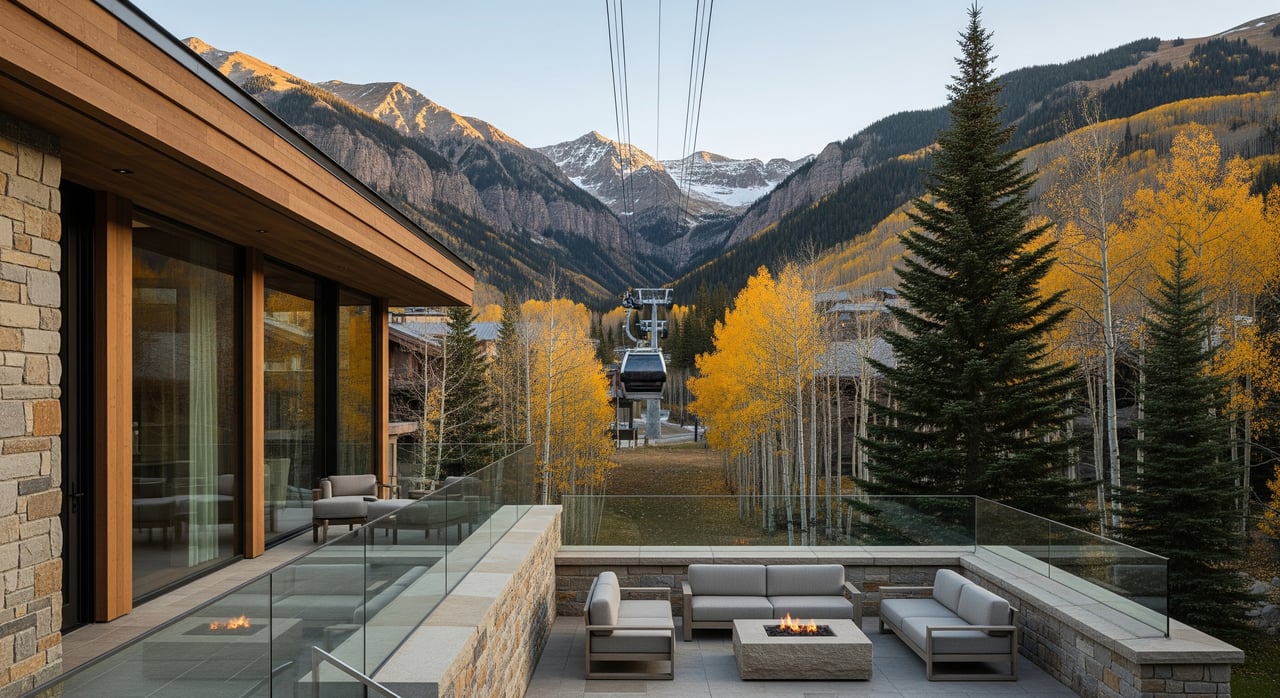
Want to step out your door and be on the gondola in minutes? If you love Telluride for its car‑free vibe, quick ski access, and easy connection to Mountain Village, where you buy matters. In this guide, you’ll see how walk-time bands translate into daily convenience, which micro‑locations deliver the quickest access, and what to verify before you commit. Let’s dive in.
How the gondola shapes daily life
The Telluride gondola is a publicly operated, free people mover that connects downtown Telluride and Mountain Village. Locals and visitors use it for commuting, dining, events, and ski access. Because it is frequent and central, living close to a boarding point can change your routine. You reduce driving, shorten errands, and make ski days smoother.
Seasonal hours, frequency, and special-event schedules can change. Temporary closures can occur for weather or maintenance. Before you buy, check current operations and rules with the official operator, especially if you rely on it for work or school timing.
Walk-time bands that matter
Instead of distance, focus on real walk time in winter conditions.
- 0–5 minutes: Immediate adjacency. Best for daily commuters, ski families, and anyone who prefers no car.
- 5–15 minutes: Short walk. A balanced choice for a quieter street feel with practical access.
- 15–30+ minutes: Longer walk or short shuttle. Works if you value privacy and plan to drive or use shuttles.
Winter routes can include stairs, packed snow, or ice. A flat 10‑minute stroll in summer can feel different in January. Always test the exact path you’ll use.
Telluride areas near the gondola
Town core and Main Street
- Access profile: Often 0–10 minutes to the downtown boarding area, depending on the block.
- Benefits: Walkable to shops, dining, and services. Great for a car‑light lifestyle with easy gondola use.
- Tradeoffs: Older buildings, narrow streets, and more tourist foot traffic during festivals.
Upper Telluride neighborhoods
- Access profile: Commonly 10–25 minutes downhill to the gondola, with steeper grades and stairs in places.
- Benefits: More privacy and views, often with larger homes.
- Tradeoffs: Longer winter walks and greater reliance on town transit or a vehicle for errands.
Mountain Village areas near the gondola
Mountain Village Core
- Access profile: Frequently 0–5 minutes. Many residences are on or just off the pedestrian plazas.
- Benefits: Direct gondola access to town, immediate proximity to chairlifts and ski school meeting points, and garages nearby.
- Tradeoffs: Busier setting and resort-style HOAs that may come with higher association fees.
Meadows and Upper Valley
- Access profile: Typically a 5–15 minute walk depending on the address and route. Some paths use trails or pedestrian bridges.
- Benefits: Quieter residential feel and often newer construction.
- Tradeoffs: Slightly longer access times and more wind exposure at elevation in winter.
Outlying single-family areas
- Access profile: Often 15–30+ minutes on foot. Many owners use shuttle service, a personal vehicle, or ski in/out connections when conditions allow.
- Benefits: Larger lots and more privacy.
- Tradeoffs: Not ideal if you want doorstep gondola access every day.
Mid-corridor stops and trail links
The gondola has intermediate boarding and unloading points along the route. Certain homes sit closer to these mid-line stops than to either terminus. If you are comparing micro‑locations, identify the nearest practical stop rather than only looking at the end stations. On a ski day, that can save you time and effort with gear.
Winter walking and route tips
- Test the exact route from your front door or garage to the boarding area. Measure time in winter conditions.
- Note stairs, icy sections, and elevation changes. Consider traction and lighting if you’ll walk before sunrise or after events.
- On peak ski days, boarding lines form. Living in the 0–5 minute band makes it easier to time your arrival.
Here is a simple visual of the corridor:
Telluride Town Core [0–10 min walk]
     | DOWNTOWN BOARDING |
          ~ 5–10 min ride ~
     | MID-CORRIDOR STOP(S) |
          ~ 5–10 min ride ~
Mountain Village Core [0–5 min walk]
Buying checks before you commit
- Exact entrance vs. map pin: Time the walk from the actual front door or garage to the specific boarding gate.
- Parking and vehicle plan: Rules differ between Telluride and Mountain Village. Confirm assigned spots, guest parking, and any HOA limits.
- HOA and condo policies: Review ski storage, quiet hours, and short‑term rental rules. These affect convenience and potential income.
- Short‑term rentals: Municipal frameworks differ by town and can change. Confirm permits, taxes, caps, and HOA covenants before you underwrite revenue.
- Mobility and access: If you have accessibility needs, verify station access features and loading procedures with the operator.
- Noise, wind, and views: Visit at different times to gauge mechanical noise, foot traffic, and exposure.
- Property specifics: Near infrastructure, check easements and whether proximity affects insurance or maintenance.
Value, rentals, and resale
- Proximity premium: Homes and condos in the shortest walk bands often command higher prices. The premium varies with season, inventory, and building class.
- Rental demand: Walkable‑to‑gondola units tend to see strong guest interest. Confirm local rules before relying on projections.
- Buyer fit: Zero‑car lifestyles lean to downtown Telluride or Mountain Village Core. Larger homes with short walks sit in the 5–15 minute band. Privacy seekers trade distance for space.
- Resale notes: Market exact walk times, winter route realities, HOA amenities, and any municipal changes that affect access.
Quick buyer scenarios
- You want daily pedestrian life with after‑ski dining: Town core.
- You want fastest ski access with plaza amenities: Mountain Village Core.
- You want a quieter home yet practical access: Meadows and Upper Valley areas in the 5–15 minute band.
- You want privacy and larger lots: Outlying single‑family areas and shuttle use.
Plan your visit like a local
Walk each route you’ll use for school, dining, or first chair. Try it in the morning and again at peak times. Ask HOAs or property managers how sidewalks and stairs are maintained in winter. If the gondola schedule matters to you, confirm current hours and any planned maintenance windows.
Ready to compare specific addresses and walk-time realities? Connect with Matthew Hintermeister for tailored guidance and on-the-ground insight.
FAQs
How the Telluride gondola affects daily life
- It is a central, publicly operated, free system that reduces driving and connects Telluride and Mountain Village for commuting, dining, and ski access.
Are gondola rides free year‑round in Telluride
- The gondola is generally free to ride, but you should verify current fare policies and schedules with the official operator before you buy.
Can you bring skis or snowboards on the gondola
- Yes for typical gear, and operators provide guidance during peak times; confirm any limits for oversized equipment with the operator.
How long is the end‑to‑end gondola ride
- Ride duration can vary with operations; check the current official estimate when timing your commute or ski day.
What should I know about winter walking conditions
- Routes can include stairs and icy patches; ask town public works or your HOA about snow and grit removal plans for sidewalks and paths.
What are the short‑term rental rules near the gondola
- Policies differ between the Town of Telluride and the Town of Mountain Village, and HOA covenants also apply; confirm permits, taxes, and allowed uses.
Is gondola service reliable during storms or high winds
- Operators may pause service for safety; ask about historical outage patterns and available shuttle options if you need a backup.
Does living close to a gondola station impact privacy
- Proximity can bring pedestrian flow and mechanical noise at certain times; visit in person at different hours and seasons to gauge fit.